

Laggies: Lynn Shelton’s Film Blends a Coming-of-Age Story With a Quarter-Life Crisis
Laggies is a fantastic movie, filled with down-to-earth characters, transcendent themes, and witty comedy

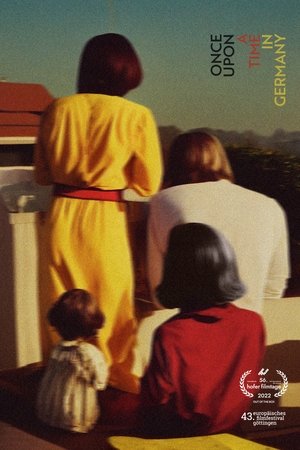


Indifferent landscapes, refracting light, some lonely bird and the window to the sebum-laden living room made of patterned wallpaper and trivialities. Cut. Tenacious sequences inflate moments to cliff-hangers and shatter their tremulous spectatorship. Thundering leitmotifs – in constant intoxication by German disinterest – with no backrest or lederhosen. Black-red-gold at full mast, the cinema is dead.
Laggies is a fantastic movie, filled with down-to-earth characters, transcendent themes, and witty comedy
Sorry to Bother You ultimately speaks to the unfair advantages that the country’s power structures award to those with the resources to control others, as Lift’s easy access to the media allows his opinion to be the only one that matters in the eyes of the unsuspecting and easily impressed public. Moreover, it reveals the extent to which the American Dream has any true validity. It postulates how the promise of success and fulfillment as promoted by the American Dream more often than not leads to the undoing of the individual. Interestingly, in its revealing of the American Dream as merely a facade, Sorry to Bother You wisely questions whether or not anything can really be done to undo a system that has been accepted and in action for centuries.
In all honesty, “Black and Blue” is a satisfying experience, complete with solid craftsmanship. With the help of cinematographer Dante Spinotti, Deon Taylor (the director) creates a murky, lived in atmosphere.
Despite its aggressiveness, the Beef anthology series is about romantic love in all its forms. The final scene of the first season led us to believe that, despite the conflict, drama, and toxic traits, the main characters would end up together and, most likely, live happily ever after. The whole “beef” plot was the prelude to their love story.