





What Netflix’s 'Daredevil' Gets Right and Wrong About Blindness
The "Daredevil" renaissance is finally upon us! As we return to the Netflix show, let's take a look at the ways the show gets blindness right and wrong.
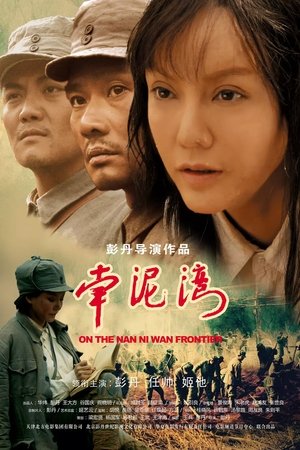


In order to break the great difficulties caused by the Japanese invasion of the Japanese army and the economic blockade of the Kuomintang, the Shaanxi-Gansu-Ningxia Border Region government led by the Communist Party of China called on the military and civilians in the border areas to "work while fighting"
The "Daredevil" renaissance is finally upon us! As we return to the Netflix show, let's take a look at the ways the show gets blindness right and wrong.
Strangers in a crowd, exchanging glances, looking away, continually managing to run into each other then part ways, end up at the same diner, find they've rented the exact same vehicles, and are then made to travel together to learn once more whether they can both find genuine adoration and companionship again. This really does, in so many words, sum up the foundational gist of of this new feature film from writer Seth Reiss ("The Menu") and director Kogonada ("The Acolyte", "After Yang"). Yet, it's all only the set-up for the REAL wonder of everything that happens before, during, and in the aftermath of a magical, meaningful journey.
Women who pray together, play together. Very rarely would I describe a story about a group of punk rockers as “whimsical”, but such an engaging array of visual and comedic components make this stand-out new series the star that it is.
Netflix’s new rom-com, Voicemails for Isabelle (dir. Leah McKendrick), isn’t just heartwarming, funny, and an achievement in female directing - it’s also an instant classic. Following 20-something aspiring baker Jill (Zoey Deutch), Voicemails for Isabelle tells a story of grief, self-discovery, and fateful connections. Ever since her beloved sister Izzy’s (Ciara Bravo) death, Jill has been leaving her hilarious, extremely TMI voicemails about her chaotic love life and miserable day job as a prep cook. Little does she know that a handsome and unsatisfied real estate agent in her hometown has inherited the number and practically fallen in love with her by listening to her stories.
'Motherless Brooklyn' is a 1950s whodunit made by its star, Edward Norton. Like most detective films in this setting, the cast is mostly white males (with a few notable exceptions).
"Driveways" is a nuanced portrait of an Asian American family, touching on themes of loss, growth, and belonging.