

"Enola Holmes 3" Screws Up Its Main Character And The Worldbuilding
Netflix’s recent "Enola Holmes 3" is a disappointing and confusing entry in the stellar "Enola Holmes" franchise.
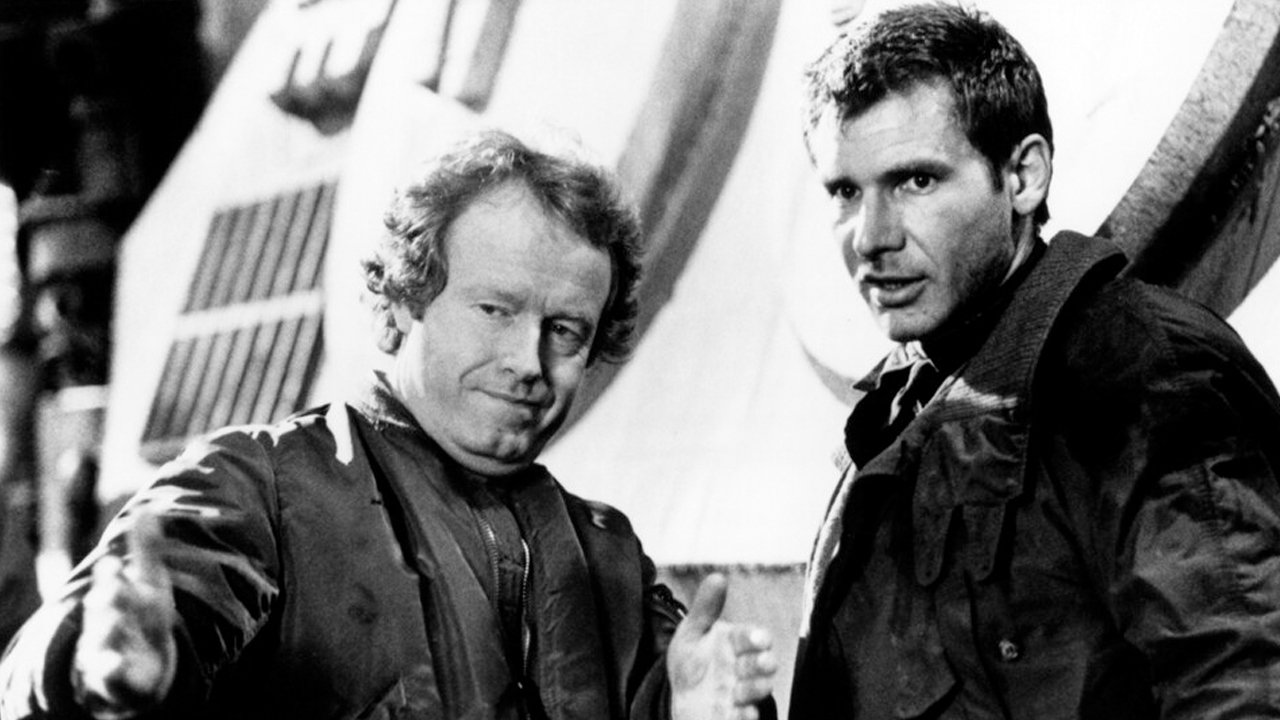


This is the rare UK Channel 4 documentary about Blade Runner, giving insights into it's history with interviews of Ridley Scott, the writers and nearly all the cast. Interviews with production staff, including Ridley, give details into the creative process and turmoil during preproduction. Stories from Paul M. Sammon and Fancher provide insight into Philip K. Dick and the origins of Do Androids Dream of Electric Sheep? Interweaved are cast interviews with the notable exceptions of Harrison Ford and Sean Young. Through these interviews we get a sense of how difficult and frustrating the film was to make as a result of an exacting director without allies and hot, wet, smoggy conditions; which added to the high pressure atmosphere everyone increasingly felt as the film went over budget. There is also a tour of some locations, most notably the Bradbury Building and the Warner Brothers backlot that was the LA 2019 streets, which look very different from Ridley's dark version.
Netflix’s recent "Enola Holmes 3" is a disappointing and confusing entry in the stellar "Enola Holmes" franchise.
Jeff Aquino’s film “Viral” placed second in 2020’s Incluvie Film Festival fest, he’s back again with his film "An A Peel for Justice".
The sequel to the 2021 remake of the same name continues from where we last left off in this spooky adventure.
"Well, the film industry is completely sexist and completely class-biased." A closer look at Lynne Ramsay's impressive body of work.
‘Candyman’ (2021) builds upon the original 1992 film by presenting the myth of Candyman not only as an example of black pain, but as an opportunity for black vengeance.
Not only does the system prevent upward mobility, but it makes it incredibly easy to slide from comfortably middle class to unhoused.