
Not Much More than Magic in 'Maestro'
In 'Maestro,' we're left with an impression but not with an understanding of the main character.
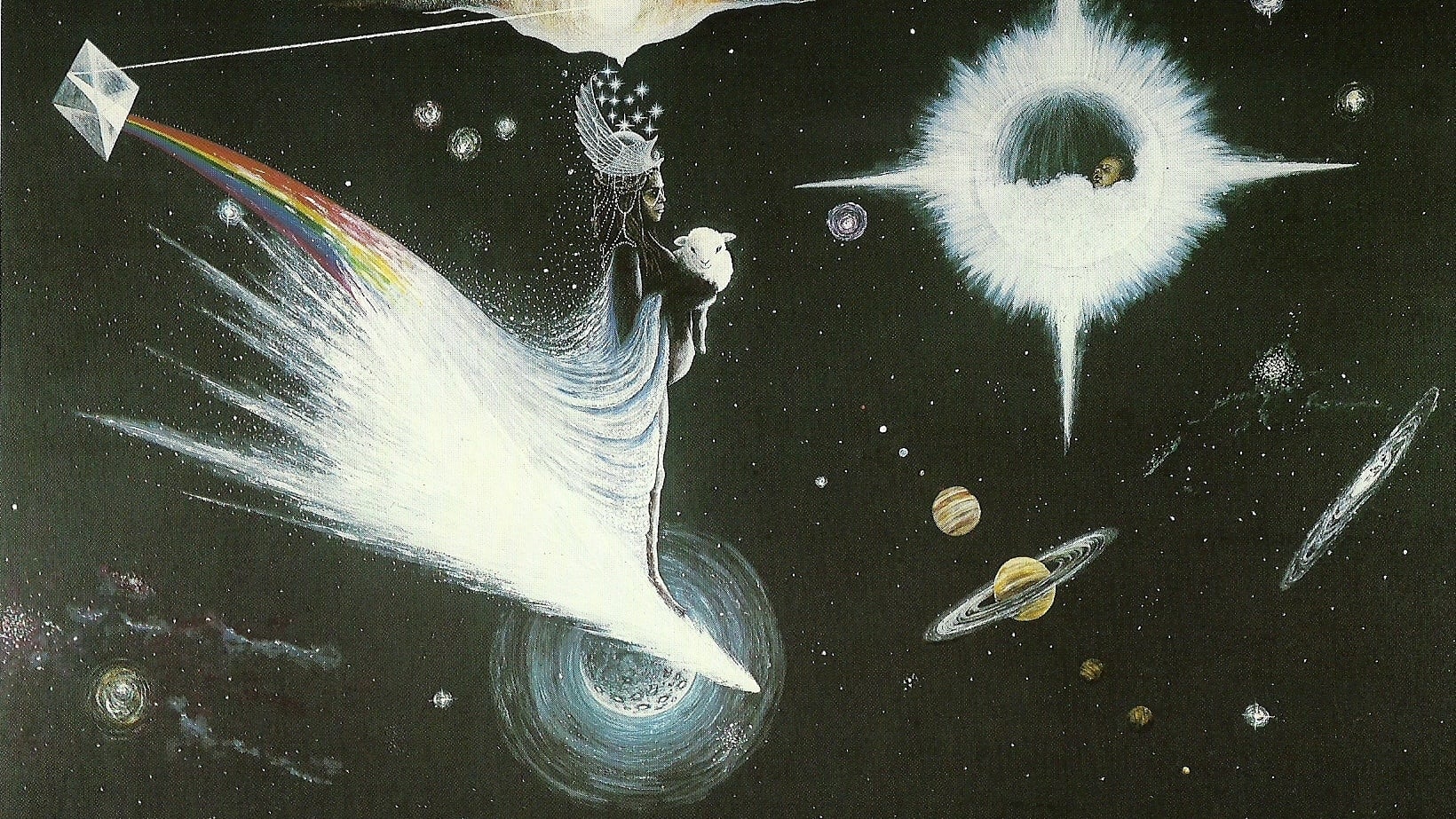


A ground-breaking documentary, Omega Rising Women of Rastafari was the first film to explore and challenge myths and stereotypes about the Rastafarian movement; and give voice to women of Rastafari, who speak for themselves about their relationship to the movement and its development. A self-taught camerawoman who began her career documenting community issues in Tottenham, D. Elmina Davis was a Rastafarian herself and had travelled extensively in Africa and the Caribbean. Poetry, mythology, archive footage, interviews, music and dance are skilfully folded into her film’s narrative, revealing the journey to higher consciousness for Jamaican and British Rastafarian women. Interviewees include Judy Mowatt, reggae solo artist and a member of Bob Marley’s backing trio, The I Three.
In 'Maestro,' we're left with an impression but not with an understanding of the main character.
Haven't you heard? There's a new horror subgenre: cerebral gore, that's probably been around for decades and we're now just starting to talk about it.
At first glance, Black as Night is a strange title choice for a film about vampirism in post-Katrina New Orleans. However, the title alludes to the world's anti-black and colorist messages.
An attempt to capture nostalgia that unfortunately just doesn’t work
I have talked with founder of Red Nation Television Network, Joanelle Romero, and the future of Indigenous representation looks bright.
After We Collided is a sequel to last year’s After, which itself was based on Anna Todd’s 2014 novel of the same name, and which was originally published as a Harry Styles-centric fan-fiction on WattPad (a similar path as E.L. James’ Fifty Shades of Grey series).