







The Relentless Victimization of Marilyn Monroe in "Blonde"
'Blonde' commits a relentless assault on the autonomy of Marilyn Monroe, reducing the icon to nothing more than a victim of the director's whims.
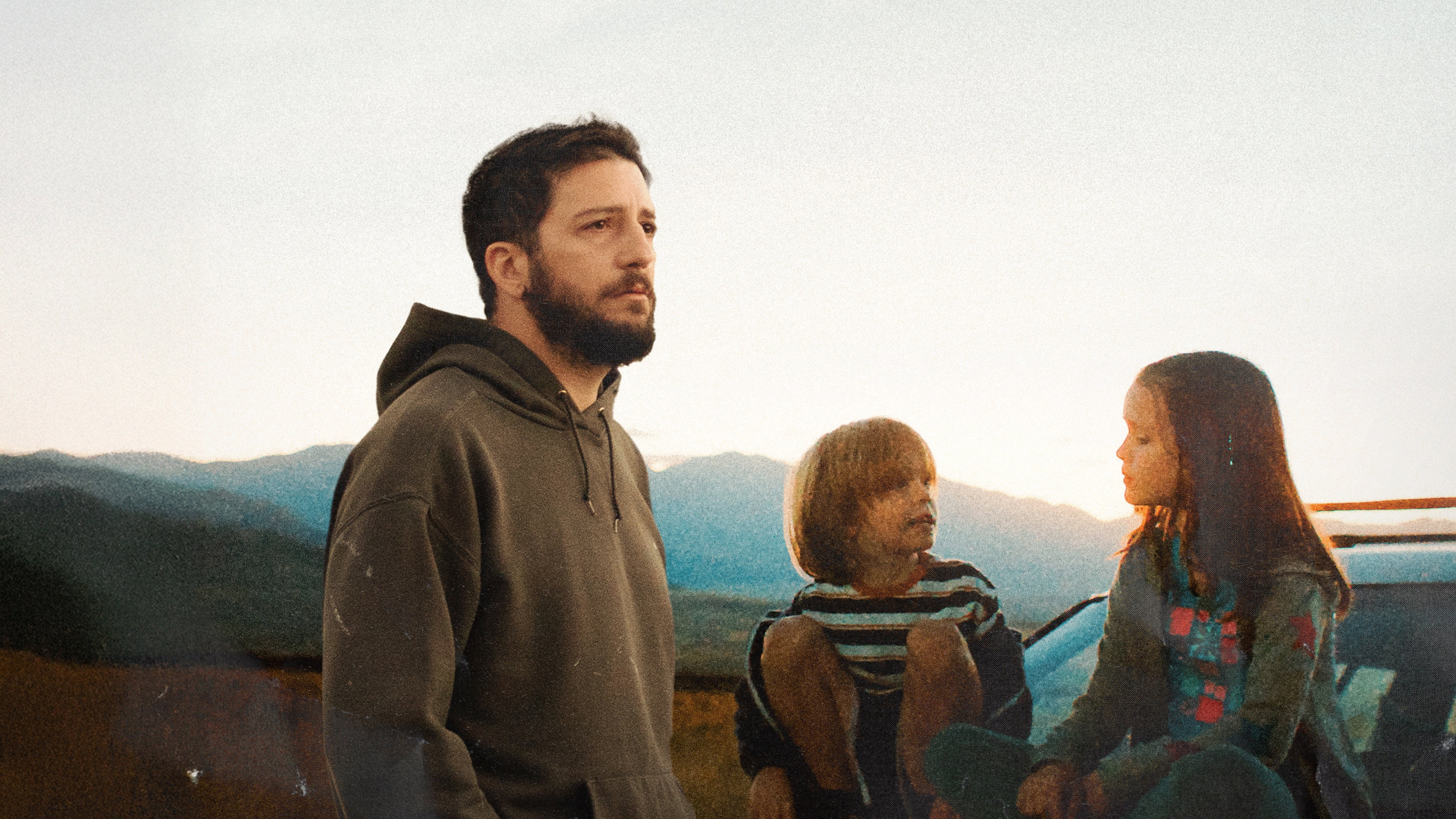
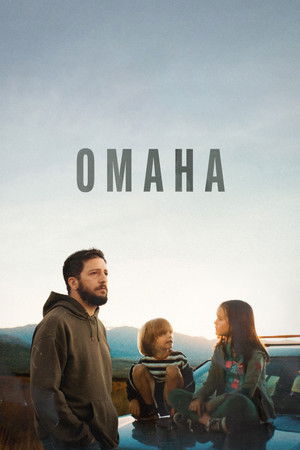


When I first heard about this film, I thought I was going to be reviewing latest horror hit Obsession. Instead, scheduling conflicts and curiosity lead me down a path that directed me to the most heartfelt movie of the year so far. Rather than take you on an emotional roller-coaster or build up towards some grand conflict, Omaha reminds us of what it can feel like to look at old family photographs. You sit with the bittersweetness, allowing it to wash over you; not drowning in it, but certainly affected by it.
Omaha made its world premiere at the 2025 Sundance Film Festival in Park City, Utah, and is appropriately the brainchild of screenwriter of Robert Machoian, who is a professor of photography at Brigham Young University. It is also the directorial debut of Cole Webley and is the latest for star John Magaro, who previously starred in The Big Short, Overlord, and The Umbrella Academy. It is currently in limited release, and that is a shame, as not only is this clearly an effort deserving of a wide audience, but a film whose emotional resonance can be easily felt by anyone who has even tasted financial hardship.
Perhaps the strangest part of this picture is that it is the only film I can think of that is actually better when you know the ending going in. Perhaps, out of pure caution, you wish to avoid spoilers. If so, proceed to the next paragraph. However, considering the way this film’s narrative plays out, it feels most appropriate to briefly describe the full plot. Omaha centers around a single father of two children – single because mom has passed away after a long sickness – who takes his children and his dog on what is ostensibly a “road trip” after their home is foreclosed. Their destination: Omaha, Nebraska. At the end of the film, text informs the audience that in the 2000s, the state of Nebraska decriminalized abandoning children, and “neglected to specify an age.” This resulted in dozens of children being driven to Nebraska to be abandoned.
One can read that synopsis and reasonably assume that the father in this case is at best negligent, at worst careless towards his children’s well-being. But that is not the film that Omaha is. Instead, we are presented with an understandably flawed father who is facing the real possibly, no, already realized inevitability of homelessness, who doesn’t want to subject his children and his dog to the same misery that he is about to experience. The main character, simply credited as Dad, spends the film putting his greatest effort towards suppressing cracks in his outward emotions, and almost gets there, mostly reserving his outbursts for after the deed has been done. But on a couple occasions, he lets his bitterness squeeze out, letting his love for his children turn into aggression in their presence.
Omaha captures the complicated nature of the situation it presents without dwelling on it; it is able to bring to light the human dynamics of this situation without making it a case-study in them. There is no shame in doing the opposite; in exploring these emotions as thoroughly as possible, but there is a certain effectiveness to letting the events of the film speak for themselves, as they are so readily able to be deciphered. It helps that the main three characters turn in incredibly realistic and convincing performances, especially the child actors Molly Wright and Wyatt Solis, otherwise this film would probably not be effective whatsoever. Getting this right was crucial, and speaks to director Cole Webley’s skill on his first outing.

A young girl and her brother are awoken by their father and loaded into the car on an early morning in 2008. As they road trip across the American West, she discovers the truth about their seemingly spontaneous journey.
'Blonde' commits a relentless assault on the autonomy of Marilyn Monroe, reducing the icon to nothing more than a victim of the director's whims.
If the message here is that without a support system, grieving people turn into monsters, it’s not really well-delivered and may be flawed as a message itself.
Even with its straightforward premise, “Richard Jewell” is ramped up by exceptional drama. In all honesty, the performances are out of this world. As Jewell, Paul Walter Hauser becomes a walking representation of gullibility. His bumbling antics create the perfect hero, and very quickly, we feel the societal heat that surrounds our protagonists.
Perhaps the most amazing and groundbreaking quality about The Birdcage is how removed it is from both illness and insensitivity. Whereas films preceding it were often somber stories about the tribulations of being gay in a conservatively straight world, Nichols and screenwriter Elaine May expose the fallacies of conservatism as traditional values are thrown into a more open-minded space. They don’t care how far the community has fallen so much as how high they can rebuild themselves.
If you’ve been itching for a sign to finally go on that unforgettable summer camping trip, this is it.
I think these messages and the way they are presented in this small-town in Texas are increasingly more important as the internet/ social media becomes more and more critical and judgemental every day. Love yourself today and every day because as Ru Paul always says: “If you can’t love yourself, how in the hell are you gonna love someone else?”