

Avatar: The Last Airbender Both Protests and Embodies Colonialism
Avatar: The Last Airbender's success fifteen years after its premiere proves the enduring power of its storytelling. But it's more than just a quality show.
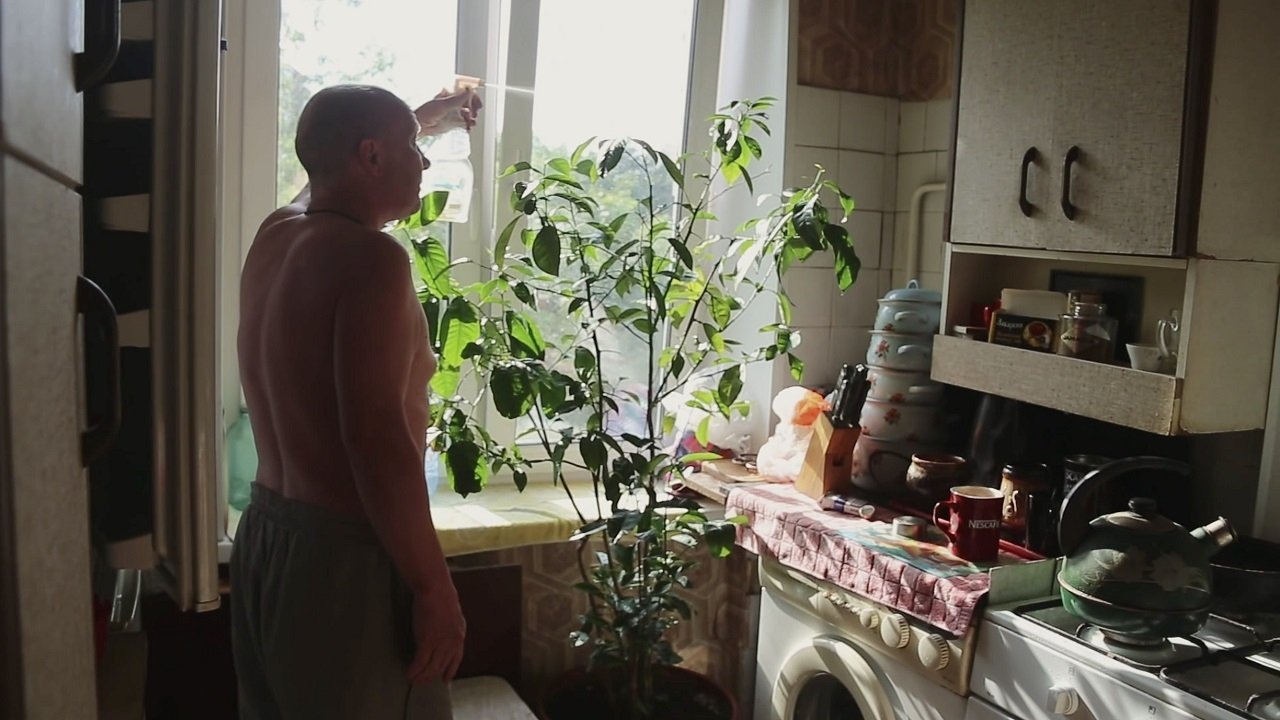
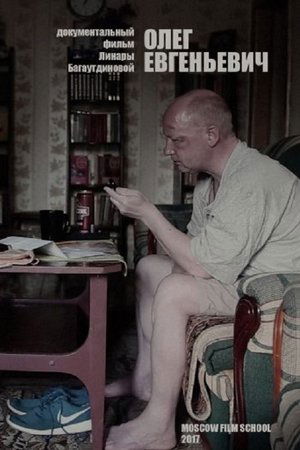


On the federal television channel they shoot an entertainment show, New Year's ether, pop stars. Over the ranks of the crowd, the loud voice of the brigadier rushes: "Besides the fact that you came to have fun, do not forget that you are on work. Enjoy, smile. You can see absolutely everyone in the picture. " But this is not true - most of them no one will ever see. But, if you go to one of the regular participants in the extras home - you can see something that will never be shown on TV.
Avatar: The Last Airbender's success fifteen years after its premiere proves the enduring power of its storytelling. But it's more than just a quality show.
"Warrior" is a Bruce Lee written and inspired story that follows a diverse cast of Chinese American characters and does a terrific job of setting the story in 1878 San Francisco - all without pulling their punches with the systemic racism, discrimination, and struggle for power that old and young immigrants that crossed the country at that time had to go through.
Overall, Matthias & Maxime doesn't reinvent this romantic concept. But it also doesn't need to. Dolan weaves a story of love, friendship, and life that is both realistic and bittersweet. The film is nuanced and sensual in a way we don't get to see often with LGBTQ characters. It's a film that we can celebrate.
Movie explained - Despite the glaring flaws present, Young Adult Matters is held together by the performances from Yoo Mi and Hani, who keep the story afloat. Though an interesting story, Young Adult Matters is worth watching solely for these performances. Among its brilliant performances is a messy, self-indulgent, and at times overwhelmingly brutal story with more potential than follow through.
Mai yells what every parent dreads hearing from their child: “tao ghét mày” (“I hate you”) and runs from the scene, where Hai discovers that Mai was telling the truth about the wallet.
These confines won’t really encourage you to read the film as a metaphor for the nerve-inducing experience we’ve all been through over the last year, however — and in the interest of maintaining your dignity, you probably shouldn’t. While the sociopolitical commentary may have worked for the similarly-themed Buried (2010), in which we find Ryan Reynolds on his own buried alive in the Middle East, but this futuristic take on the premise is best left as a piece of distracting entertainment. Nevertheless, the atmosphere is no less suffocating, literally and dramatically.