Wednesday Addams
The iconic title character stars in her own horror and gothic TV series.




Olaf is on a mission to harness the best holiday traditions for Anna, Elsa, and Kristoff.

Kevin Deters, Stevie Wermers-Skelton
Director


Josh Gad
Olaf (Voice)

Kristen Bell
Anna (Voice)

Idina Menzel
Elsa (Voice)

Jonathan Groff
Kristoff (voice)

Eva Bella
Young Elsa (voice)

Chris Williams
Oaken (voice)

John de Lancie
Mr. Olsen (voice)
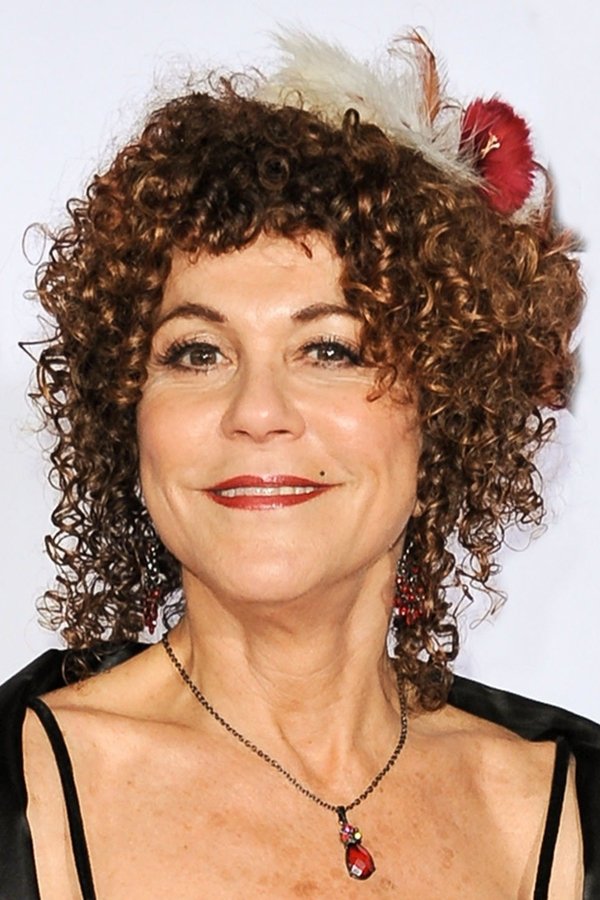
Lauri Fraser
Mrs. Olsen (voice)

Stevie Wermers-Skelton
Candy Cane Mother (voice)
Benjamin Deters
Candy Cane Kid (voice)
Kate Anderson
Norwegian Cookie Lady / Cat Lady (voice)
The iconic title character stars in her own horror and gothic TV series.
This movie is based on the LEGO Disney Princess building set.
The Summer I Turned Pretty series adapts the beloved trilogy into a bingeworthy TV show and introduces a new generation to Belly, Conrad, and Jeremiah.
In 'Little Boxes," an interracial family moves to an all-white town where they face the judgement of others who have never been exposed to people of color before.
It only seems to prove that when the company had their backs against the wall and needed an all pleasing, generic movie that had to make up for The Last Jedi, they chose to sacrifice almost everything that made their main protagonist interesting and that made her stand out as the strong female character that a generation of young movie goers was supposed to look up to. Instead, we were left with a Rey that was so much less than she could have been. And I guess that’s the real story of Rey and The Rise of Skywalker; they could have been so much more, but they were just more of the same.