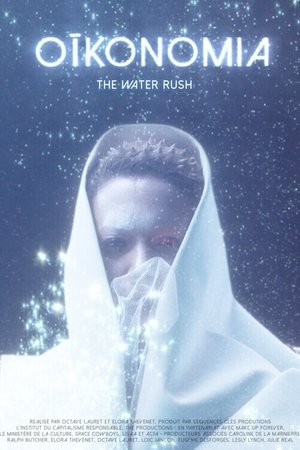






Oikonomia, a personification of economy, governs the dominant civilization. Their mad conquest leads them to extract water from rare and surreal oases that have been hidden in a digital matrix. Blind by the water rush, their objective is to find and steal until the last drop of water to turn it into energy. The Rebels, one with nature, have devoted their lives to saving the last remaining water and fighting Oikonomia troops who came to plunder them. Their war is waged like a digital game. Oikonomia civilization corrupts the planet with attacks that leave devastation in their wake. Deprived of water, all humankind waste away and die. The balance is broken. This struggle leads to a breakthrough, a radical shift in how our economy, society, and environment work. The Economy must invent a new, responsible dynamic to co-exist peacefully with Nature.
Wes Anderson offers a light-hearted comedy in the Middle East centering around Catholic motifs.
It took writers D.B Weiss and David Benioff two years to give us a promising final season. Two. Years. It was just going to be six episodes, which was short considering that all the other seasons — except season 7 — were 10 episodes. 10. 6 wasn’t enough, and even HBO wanted to give the writers more episodes. More seasons, even. However, the writers wanted to get out of the show as quickly as possible to work on other projects. This abruptness is clearly shown in this season.
The original Mothra is a fun monster movie that has way stronger lore, music, and special effects than most of its contemporaries.
'Ganja & Hess' is a 1973 experimental horror film, written and directed by the visionary auteur Bill Gunn. It was meant to be a straightforward blaxploitation film – but director Gunn had grander ambitions.
I have been a long-time fan of the Marvel Cinematic Universe ever since it made its official debut through 2008's absolutely excellent "Iron Man". The run continued, as did my associated fandom of the films, through the utterly EPIC 2019 finale "Avengers: Endgame".