Willy Wonka
This fantasy musical movie is an origin story about the title character.
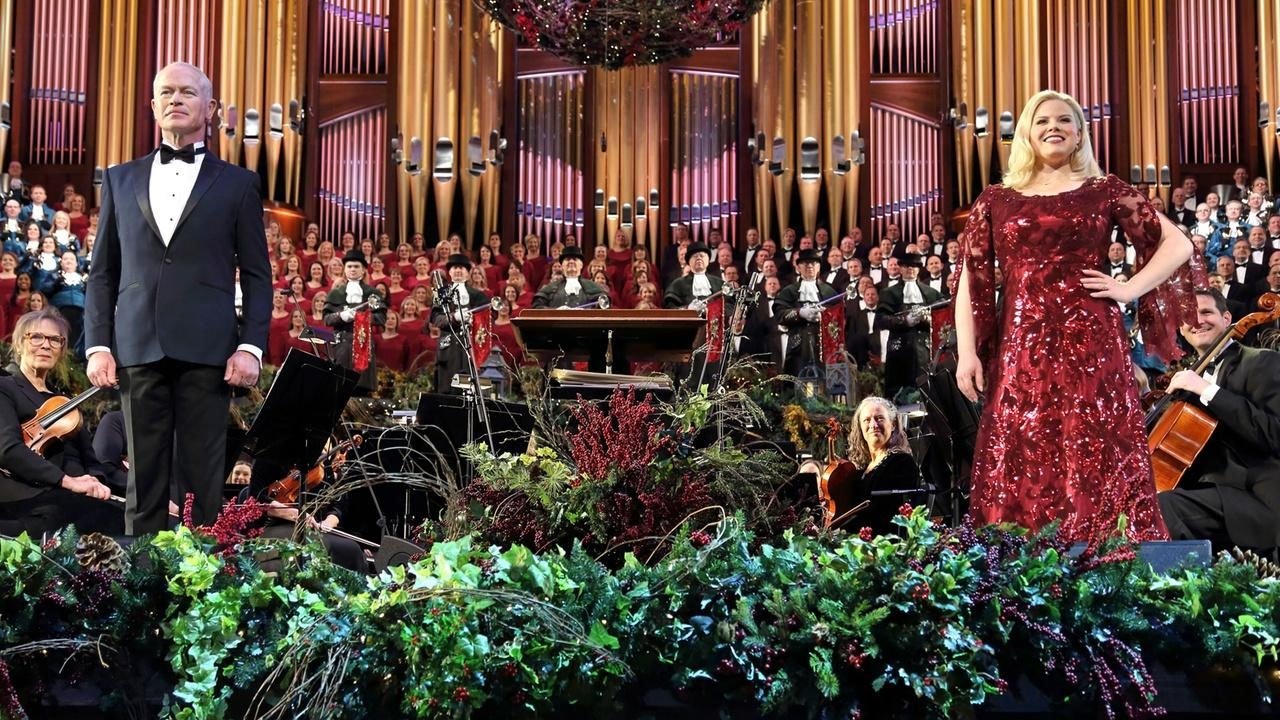
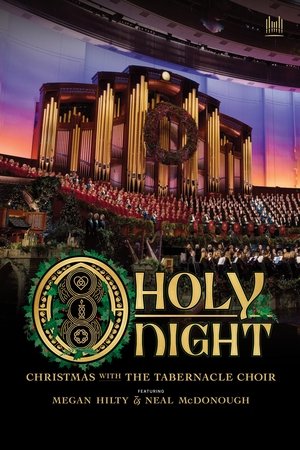


This December, the beloved annual “Christmas with The Tabernacle Choir” special returns to PBS. Tony® Award-nominated performer Megan Hilty and well-known film and television actor Neal McDonough join the iconic 500-person Tabernacle Choir and Orchestra at Temple Square in a soulful celebration of the season. McDonough and Hilty, who each share Irish heritage and traditions, join the Choir and Orchestra, trumpeters and bell ringers in delivering a deeply personal program that weaves together well-known holiday tunes, classic Christmas carols and hymns with some traditional Irish musical numbers.

Michael Hunter
Director
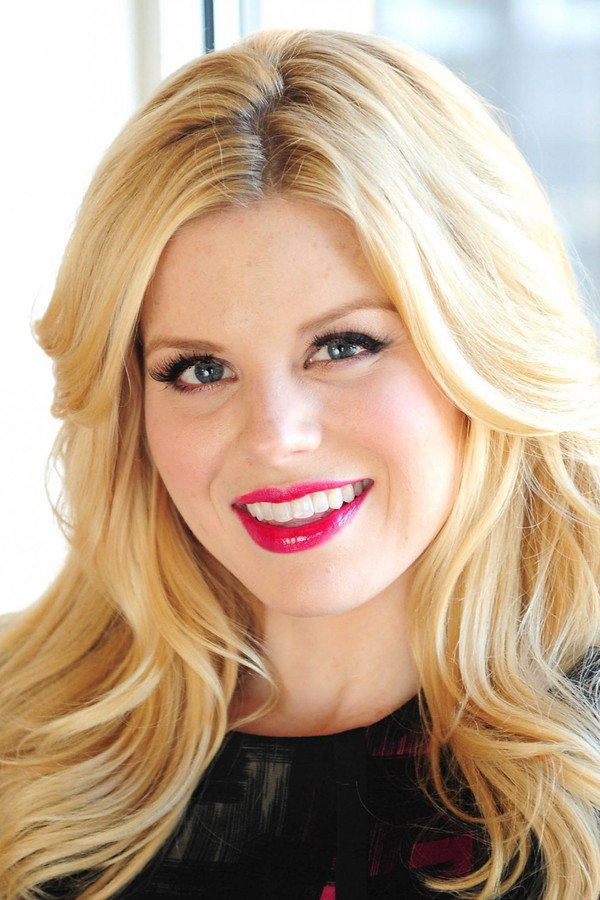
Megan Hilty
Performer

Neal McDonough
Performer
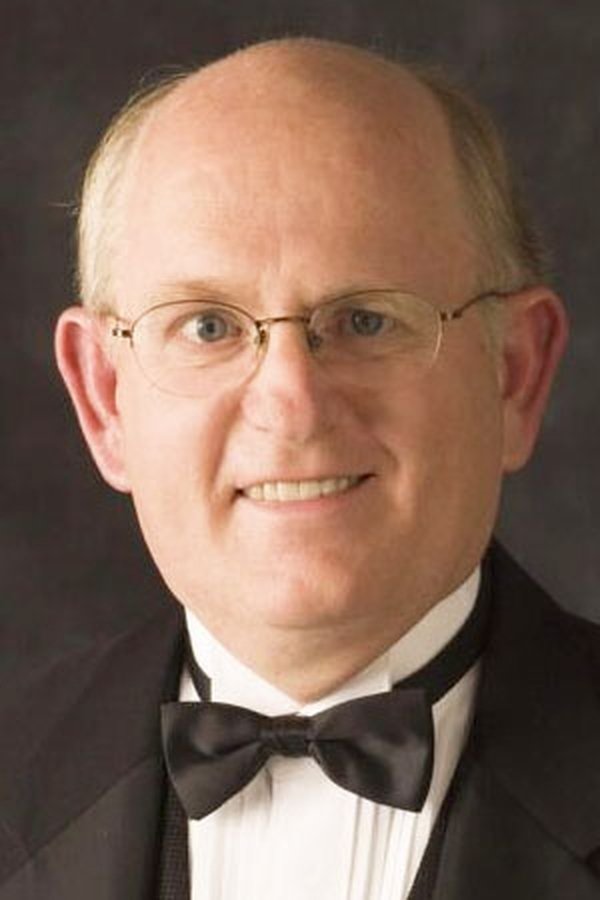
Mack Wilberg
Conductor

Ryan Murphy
Associate Conductor
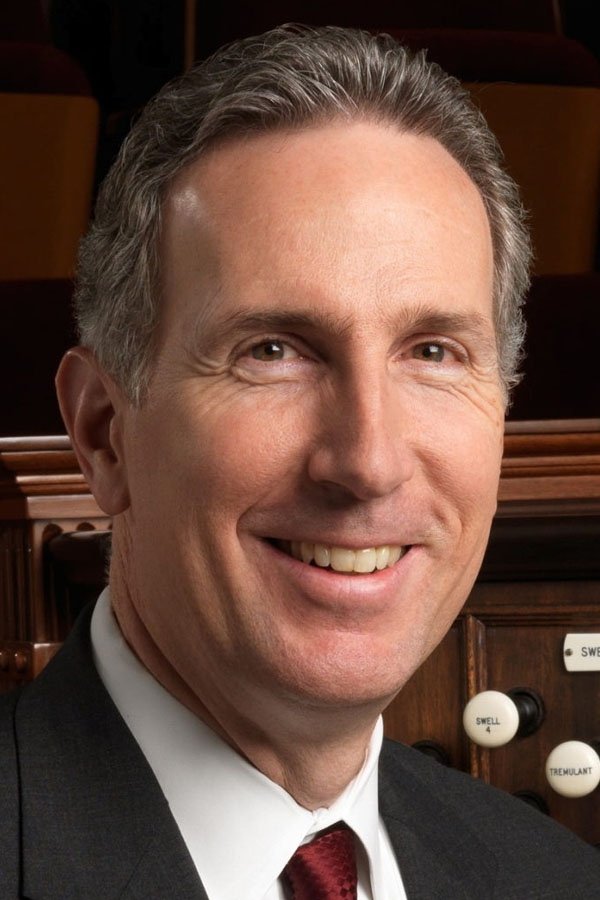
Richard Elliott
Organist

Andrew Unsworth
Organist
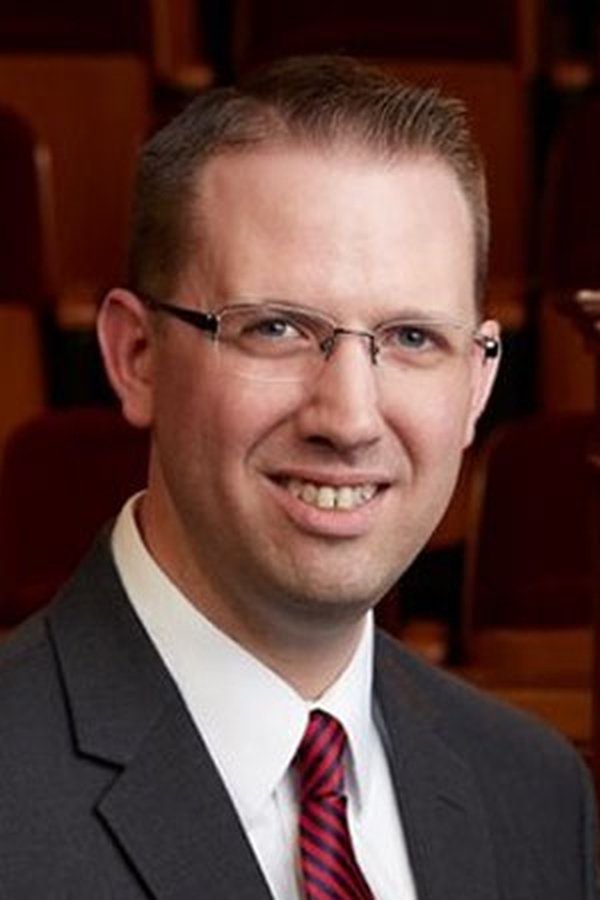
Brian Mathias
Organist
Tabernacle Choir at Temple Square
Choir
Orchestra at Temple Square
Orchestra
Bells at Temple Square
Orchestra
Gabriel Trumpet Ensemble
Orchestra
This fantasy musical movie is an origin story about the title character.
Netflix’s new comedy drama, Don’t Say Good Luck, is a heartwarming tearjerker as well as a love letter to the transformative power of being a theater kid. Directed by Julia Hart, Don’t Say Good Luck follows Sophie (Sunny Sandler), a theater kid who finally gets the lead role in her school’s production of Waitress - just as she finds out her mom Elizabeth (Melanie Lynskey) is dying of cancer. While the singing is by no means spectacular and Sandler’s acting is stiff, the film is grounded in the moving performance of Lynskey as a mother who wants nothing more than for her daughter to achieve her dreams, even if she can’t be there to see them.
The legacy of this movie starts off the film series with a bang of magic, plot twists, and battles.
CODA' is about a child of deaf adults torn between staying with her parents and her dreams of pursuing music. This film is a step forward for deaf representation and disability in movies despite negative messages about the burden of actors deaf deafness.
It is a truth universally acknowledged that a single woman will be happiest if she marries a man with a good fortune, similar upbringing, matching attractiveness levels, and compatible politics.
White audiences saw Peola’s mixed-race passing as a Black woman’s struggle to be white. Black audiences saw it as the rebellion of a Black woman trying to gain privileges only given to white people.