










Incluvie – Better diversity in movies.
Identity in film with Incluvie stamps, scores, reviews.

Incluvie – Better diversity in movies.
Explore identity in film with Incluvie stamps, scores, reviews, and insights.

trailer banner
O Coronel e o Lobisomem poster

O Coronel e o Lobisomem 

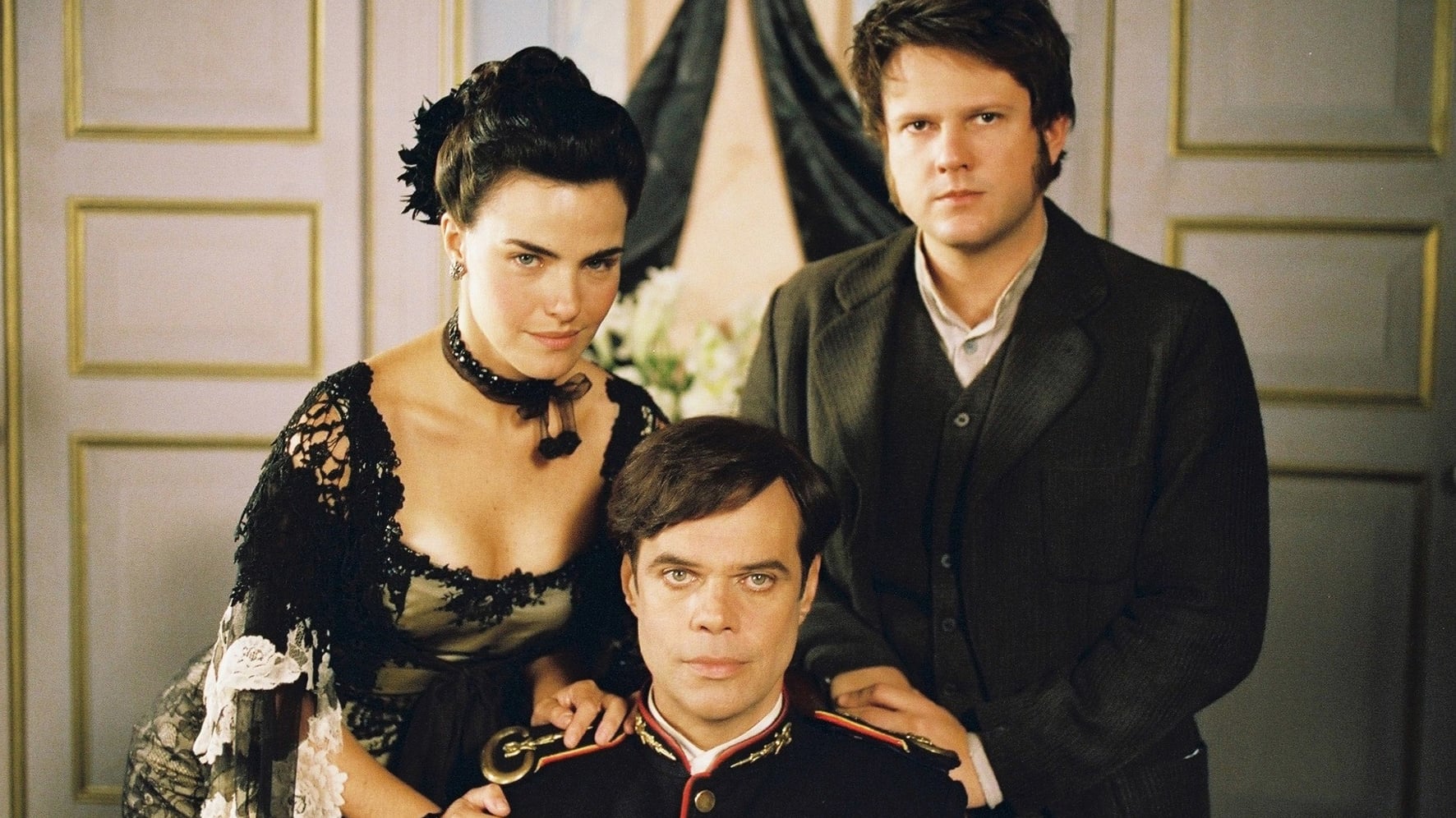
Colonel Furtado struggles to keep his lands, the Sobradinho Farm, and win the heart of his cousin Esmeraldina. In the process, he fights big beasts, experiences the taste of a bohemian life in town, fends usurers and thieves off, and uses all his cunning to get rid of haunting entities. His rival is the man he was brought up with, Pernambuco Nogueira, a werewolf.
- / 5
PopScore
Representation

Pictures and Videos


Incluvie Gala

Movie Information


Colonel Furtado struggles to keep his lands, the Sobradinho Farm, and win the heart of his cousin Esmeraldina. In the process, he fights big beasts, experiences the taste of a bohemian life in town, fends usurers and thieves off, and uses all his cunning to get rid of haunting entities. His rival is the man he was brought up with, Pernambuco Nogueira, a werewolf.

Rating:
Genre:Comedy
Directed By:Maurício Farias
Written By:Guel Arraes, Jorge Furtado, João Falcão
In Theaters:
Box Office:

Runtime:106 minutes
Studio:20th Century Fox Brazil

Articles You May Like


"She’s Gotta Have It” was Ahead of the Curve in Portrayal of Female Sexuality

In Spike Lee’s She’s Gotta Have It (1986), we follow the love life of powerful female protagonist Nola Darling (Tracy Camilla Johns) and explore the relationship dynamics she has with her partners. She sees three men simultaneously: Greer Childs, (John Canada Terrell) Mars Blackmon (Spike Lee), and Jamie Overstreet (Tommy Redmond Hicks). Though an 80’s film, She’s Gotta Have It is surprisingly progressive with its themes of female sexuality, although at some points in the film it is handled clumsily. Overall Nola is an incredibly compelling character especially for modern women, as we as a society acknowledge female sensuality more and more without the negative stigma.

Andrea Amoroso