





Incluvie – Better diversity in movies.
Identity in film with Incluvie stamps, scores, reviews.

Incluvie – Better diversity in movies.
Explore identity in film with Incluvie stamps, scores, reviews, and insights.

trailer banner
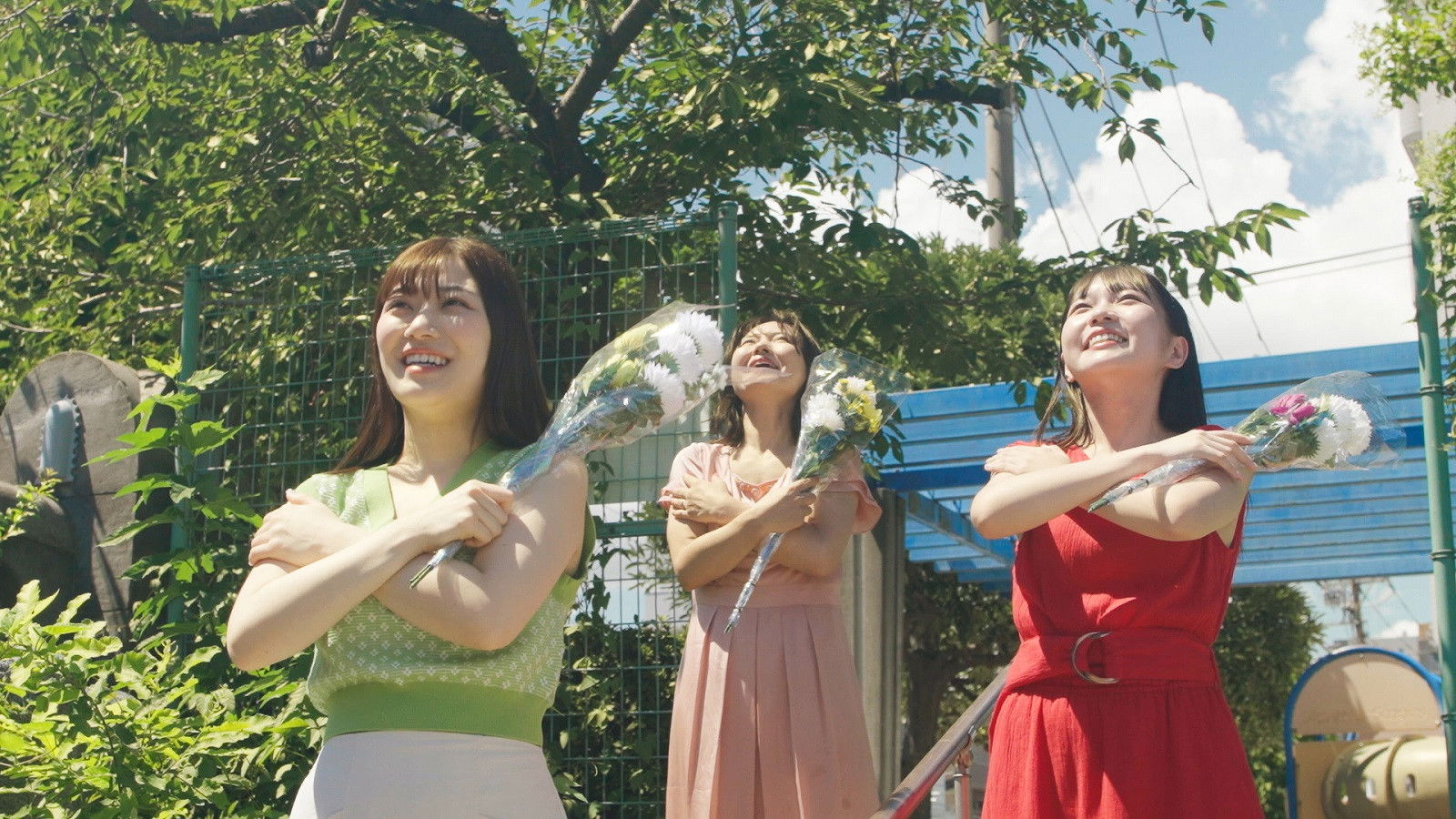
O-atsui ano musume: Hadaka de attack poster

O-atsui ano musume: Hadaka de attack 

Akai Taiyo has been lonely since her mother, her only blood relative, passed away a year ago. However, she has a cheerful personality that doesn't let that affect her, and her childhood friend Kotaro secretly has feelings for her. Then one day, Taiyo's father, Takashi, suddenly appears and persuades her to move in with his new family. However, her stepmother Yumiko and her half-daughter Momoka treat her like a housekeeper, and Momoka's fiance gives her lewd looks. To top it all off, Kotaro suddenly becomes close to Momoka...
- / 5
PopScore
Representation

Pictures and Videos


Incluvie Gala

Movie Information


Akai Taiyo has been lonely since her mother, her only blood relative, passed away a year ago. However, she has a cheerful personality that doesn't let that affect her, and her childhood friend Kotaro secretly has feelings for her. Then one day, Taiyo's father, Takashi, suddenly appears and persuades her to move in with his new family. However, her stepmother Yumiko and her half-daughter Momoka treat her like a housekeeper, and Momoka's fiance gives her lewd looks. To top it all off, Kotaro suddenly becomes close to Momoka...

Rating:
Genre:
Directed By:Haruhi Oguri
Written By:Haruhi Oguri, Naoki Ôya
In Theaters:
Box Office:

Runtime:73 minutes
Studio:Okura Pictures, Trauma Circus

Articles You May Like


'The Half of it' Handles its Presented Social Issues Thoughtfully

The social issues The Half of it takes on are handled well, between the antagonization brought on to Ellie for her race and the conflict that arises from her being gay. Both aspects of her character are built up over the course of the film and don’t seem abrupt or rushed. The film shows racism towards Ellie and her and father in varying levels, from having her schoolmates specifically address her as "Chinese girl” to the fore mentioned way her Dad is treated due to language barriers. The same can be said about Ellie being a lesbian. While she never truly “comes out” in the narrative, that does not undermine her journey of self-discovery from being meaningful. These ideas aren’t thrust upon the viewer in a preachy manor, the scenarios that occur feel believable given the rural setting. The film presents watchers with problems whom those like Ellie may face, and leaves us to sit with them and reflect.

Andrea Amoroso