
Trans Allegories in Film: 'Your Name' (2016)
Our protagonists perform as the opposite gender while still preserving the parts of their personalities that makes themselves who they are.
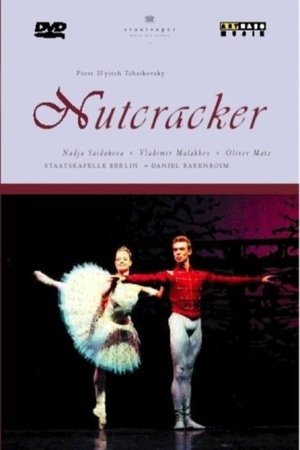


It's easy to see why The Nutcracker, Tchaikovsky's perennially popular ballet first performed in 1892, has such enduring appeal. As Patrice Bart's 1999 production shows, it is always beautiful to look at, lending itself to the Christmas season where it has a permanent place in the schedules of the major dance companies. And Hoffmann's tale of the troubled child who must go on a wonderful (and occasionally terrifying) journey of discovery has a universal and timeless appeal. Bart's production for the Staatsoper Unter den Linden in Berlin builds on Petipa's original choreography and develops the context of the child Marie's (Nadja Saidakova) anxiety into a strong narrative. The godfather Drosselmayer (Oliver Matz) is initially a sinister figure, forcing her to confront past events before leading her into the glittering land of the Sugar Plum Fairy. Here, all expectations are exceeded.
Our protagonists perform as the opposite gender while still preserving the parts of their personalities that makes themselves who they are.
Mona Fastvold’s nineteenth century lesbian romance is emotionally charged, restrained, and poetic without feeling forced.
A simple question often sparks intense debate. Incluvie attempts a working definition for the beloved horror genre.
Diana’s spirit has taken off, ‘No right, no wrong, no rules for me.’ And in that moment, as she runs on the screen, she gets it, her ‘Let It Go’ moment.
It’s passionately protective of the women mentioned in the story or appearing on screen. Just like the article and the #MeToo movement, the film could help a trapped person find the courage to fight back.
The singer recounts the memories of writing and creating her record-breaking debut album and shares her feelings as a young woman navigating a specific time in her life.