
Writing Great Villains: Why They Shouldn't Be Sympathetic
Writing great villains is about striking a balance between charming and evil, so we love them but also love to see them lose.

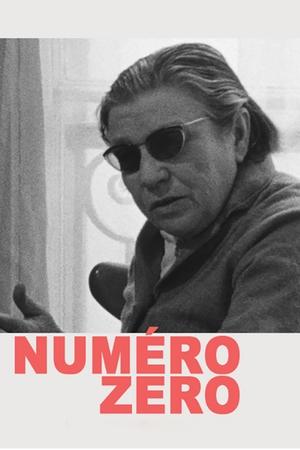


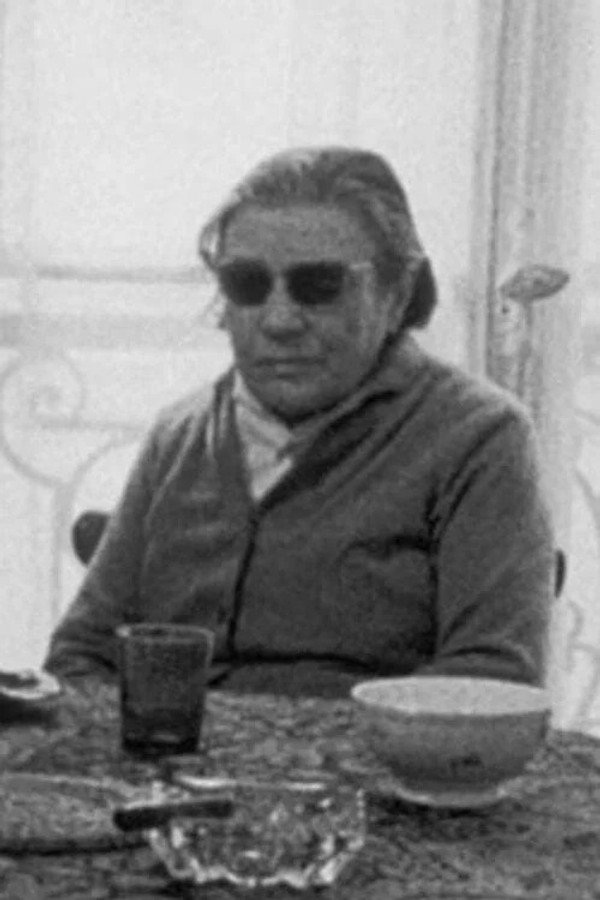
A family portrait in which the director profiles his grandmother, Odette Robert. Eustache includes in the film the conditions of its production — he is seated at the table with her, pours her some whiskey, speaks with the camera operator, manipulates the clapboard at the head and tail of the reels, and even takes a phone call. Robert, who was seventy-one, speaks rapidly and tells the story of her life, starting from her early childhood in villages in the Bordeaux region of France. A shorter version of the film ("Odette Robert") was edited in 1980 to be broadcast on television on TF1. The complete film only gained exposure in 2002, when it was salvaged by Boris Eustache, Thierry Lounas, João Bénard da Costa, Jean-Marie Straub, and Pedro Costa.
Writing great villains is about striking a balance between charming and evil, so we love them but also love to see them lose.
If you’ve been itching for a sign to finally go on that unforgettable summer camping trip, this is it.
Yes, Asia is actually quite a large hub for amazing horror films even to this day, some people just never notice! Well, I'm here to change that. It's time to not let those words at the bottom of the screen scare you but instead be scared by some of the best horror you never knew about.
It is a truth universally acknowledged that a single woman will be happiest if she marries a man with a good fortune, similar upbringing, matching attractiveness levels, and compatible politics.
In this high-flying mission, the pups gear up with jets to stop the Duke of Flappington and save Barkingburg.