









Writing Great Villains: Why They Shouldn't Be Sympathetic
Writing great villains is about striking a balance between charming and evil, so we love them but also love to see them lose.
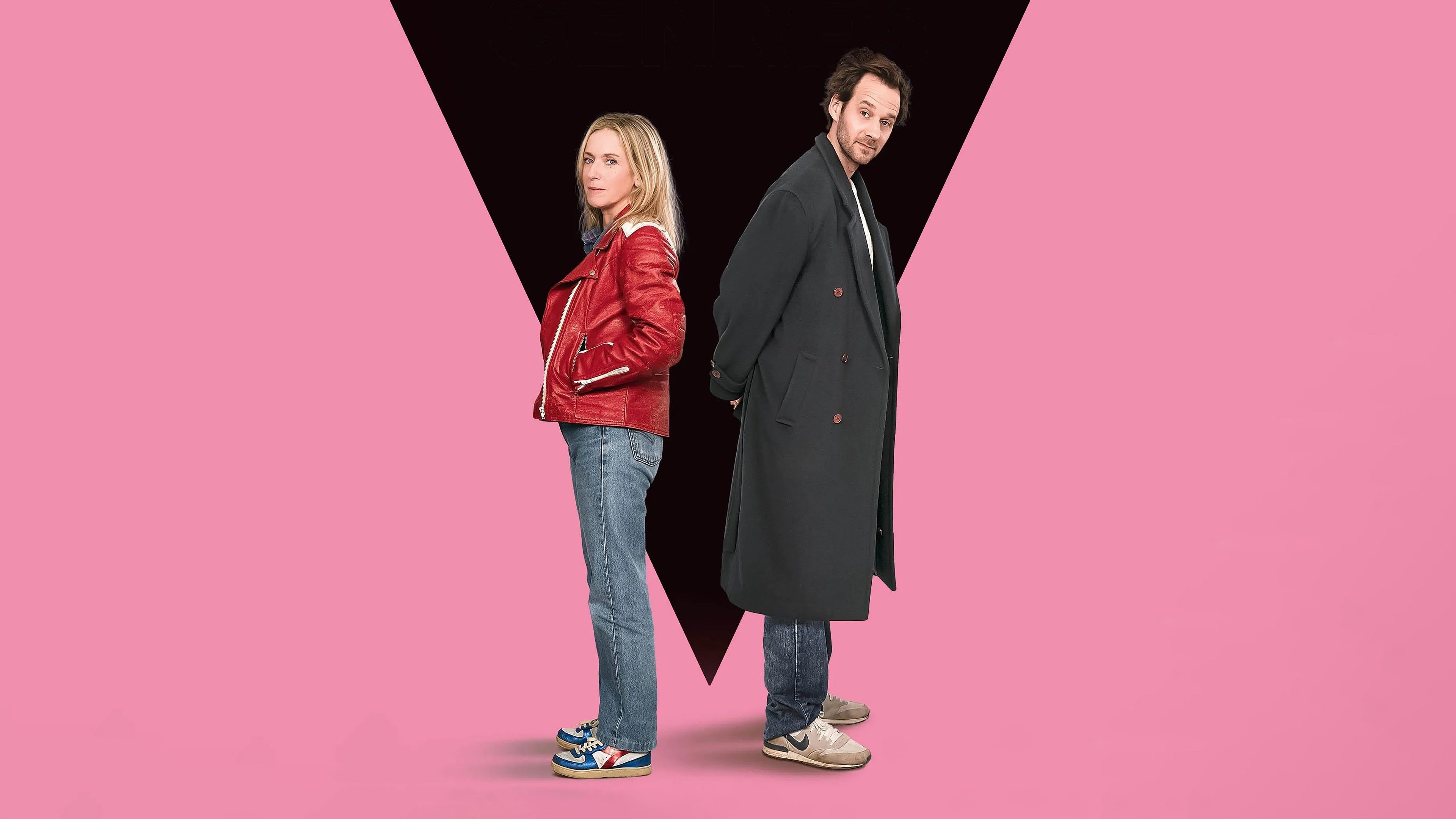
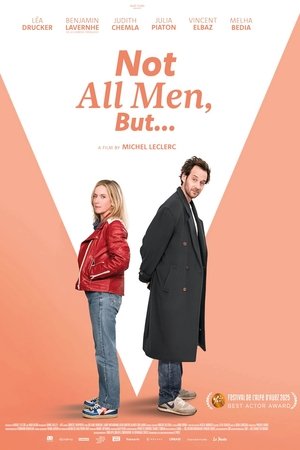


Simone, a cop with conservative ideas, infiltrates a feminist collective. However, her cover is thin. To divert attention and get out of this bad situation, Simone finds nothing better than to randomly accuse a man of having raped her.
Writing great villains is about striking a balance between charming and evil, so we love them but also love to see them lose.
Considering the runtime, I expected each scene to hit harder as opposed to a series of montages and vignettes.
A man struggling with the death of his son agrees to coach his former high school basketball team.
Critical Incident is worthy of a weekend binge, keeping you guessing right up until the end.
The relationship between the characters is what makes this film stand out, and it’s just all-around fun.
In Spike Lee’s She’s Gotta Have It (1986), we follow the love life of powerful female protagonist Nola Darling (Tracy Camilla Johns) and explore the relationship dynamics she has with her partners. She sees three men simultaneously: Greer Childs, (John Canada Terrell) Mars Blackmon (Spike Lee), and Jamie Overstreet (Tommy Redmond Hicks). Though an 80’s film, She’s Gotta Have It is surprisingly progressive with its themes of female sexuality, although at some points in the film it is handled clumsily. Overall Nola is an incredibly compelling character especially for modern women, as we as a society acknowledge female sensuality more and more without the negative stigma.