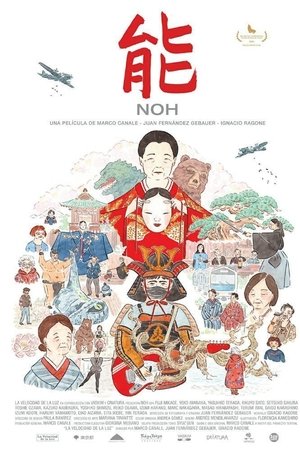



In 2017, playwright Marco Canale staged a play called La velocidad de la luz (“The Speed of Light”) in the Villa 31 slum. There, a group of indigenous elderly ladies recovered their traditions in order to explore their bonds with modern culture, religion, politics and their own memories. Three years later, Canale replicated the idea in Japan and structured this film, together with Juan Fernández Gebauer and Ignacio Ragone, that revolves around that experience.
Dora is the superhero we didn't know we needed.
It is a truth universally acknowledged that a single woman will be happiest if she marries a man with a good fortune, similar upbringing, matching attractiveness levels, and compatible politics.
The latest installment in the beloved media franchise is a unique stylized mesh of humor and heart.
Netflix’s Shadow and Bone has a complicated relationship with race. It has a diverse cast, but not without its problems. Based on Leigh Bardugo’s two book series, the show features characters from the Shadow and Bone trilogy, which is very straight and white, and the Six of Crows duology, which is much more diverse. When bringing together a cast and writing about these characters, the team behind the show expanded upon some of the representation missing from the first trilogy, then seemed to take away representation from the duology. Shadow and Bone seems to play a bit of a push and pull game when it comes to portraying diversity onscreen.
If you want to feel the rush, you have to take the risk.