


Freakier Friday: Maybe It Was Freaky Enough the First Time?
If a movie about a strange and crazy day is commercially successful, why not recycle it and double the kookiness quotient? That seems to be the logic behind this followup to Freaky Friday.
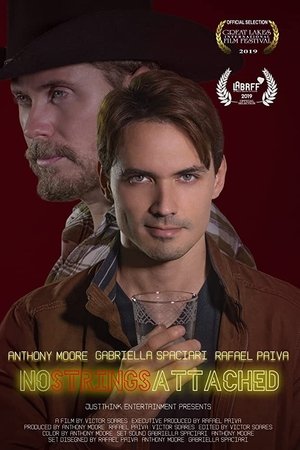


A man has problems attaching emotionally with people and that tales a dark in his life.
If a movie about a strange and crazy day is commercially successful, why not recycle it and double the kookiness quotient? That seems to be the logic behind this followup to Freaky Friday.
Chickenhare and the Hamster of Darkness explores true identity through exploration.
This 2024 musical film is based on the Broadway show and the 2004 film of the same name with major differences.
The Conjuring: The Last Rites delivers a thrilling mix of scares and heart. From the axe-wielding ghost to the Warrens’ emotional farewell, Patrick Wilson and Vera Farmiga shine. Fans get a chilling, atmospheric conclusion that’s worth watching in theaters.
It’s been awhile since I’ve seen a film that is jarring within the first five minutes. Being at the edge of my seat from the very beginning made me feel both excited and frightened for what was to come, and it did not disappoint. Led strongly by Jennifer Lawrence as Grace, a woman trapped in the “American dream”, this film shows that society tells us what should make us happy. Many critics describe Die My Love as being about post-partem depression, but it is so much more. After moving to a secluded home with her husband Jackson, Grace finds herself in the throes of motherhood. Feeling isolated in her physical environment and her romantic relationship, Grace suffers psychologically. Lawrence brings a sense of rawness and humor to the screen that is often uncomfortable. Robert Pattinson adds to the discomfort as her loving, yet lost husband Jackson, who cares about his wife but does not know how to help her. Lynne Ramsay has presented a film that forces us to look at the realness of life, and what happens when the promise of what should make you whole fails.
The “gay best friend”, an age-old trope, has been done in countless films and television series. Ranging from one-note (Sex and the City's Stanford and Mario) to nuanced (Unbreakable Kimmy Schmidt's Tituss), the gay best friend exists to support and advise the main protagonist, with their conflicts swept to the side.