
Writing Great Villains: Why They Shouldn't Be Sympathetic
Writing great villains is about striking a balance between charming and evil, so we love them but also love to see them lose.
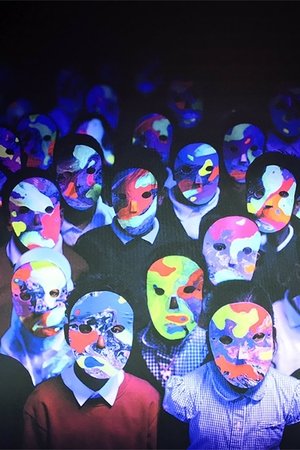


Ted Hughes's 1993 novel The Iron Woman is the springboard for this multi-media project by Mikhail Karikis. The video section of the installation features seven-year-olds from Mayflower Primary School in East London discussing the novel's environmental themes.
Writing great villains is about striking a balance between charming and evil, so we love them but also love to see them lose.
Our protagonists perform as the opposite gender while still preserving the parts of their personalities that makes themselves who they are.
Director and writer, Miles Marti, brilliantly created a film that captures the story of a kid that learns a new reality all within the walls of her classroom. Tears Of Knowing lightly steps into the devastation of loss through a childhood lens, and presents a perspective that is not often acknowledged. Though grief and loss are important aspects, the film also showcases excellent portrayals of trust, innocence, and naivety.
We can criticize depictions from old media, but they weren’t simply “good for their time”. They were fighting and struggling in a world we can’t imagine.
White audiences saw Peola’s mixed-race passing as a Black woman’s struggle to be white. Black audiences saw it as the rebellion of a Black woman trying to gain privileges only given to white people.
Twisting what seems to be obvious setups and frameworks is what sets the story structure of Squid Game apart. I appreciate that this narrative is complex but not complicated; an easy enough plot to wrap your head around while still treating the audience like an equal participant in this social commentary