

No Game No Life: Zero (2017)
Six thousand years before Sora and Shiro were even a blink in the history of Disboard, war consumed the land, tearing apart the heavens, destroying stars, and even threatening to wipe out the human race. Amid the chaos and destruction, a young man named Riku leads humanity toward the tomorrow his heart believes in. One day, in the ruins of an Elf city, he meets Schwi, a female exiled "Ex Machina" android who asks him to teach her what it means to have a human heart.

- / 5
PopScore
Representation
Pictures and Videos

Movie Information
Six thousand years before Sora and Shiro were even a blink in the history of Disboard, war consumed the land, tearing apart the heavens, destroying stars, and even threatening to wipe out the human race. Amid the chaos and destruction, a young man named Riku leads humanity toward the tomorrow his heart believes in. One day, in the ruins of an Elf city, he meets Schwi, a female exiled "Ex Machina" android who asks him to teach her what it means to have a human heart.
Rating:R
Genre:Adventure, Animation, Drama, Fantasy, Romance
Written By:Jukki Hanada
In Theaters:9/15/2017
Box Office:$6,356,284
Runtime:106 minutes
Studio:Madhouse, AT-X, KADOKAWA, movic, Frontier Works
Cast
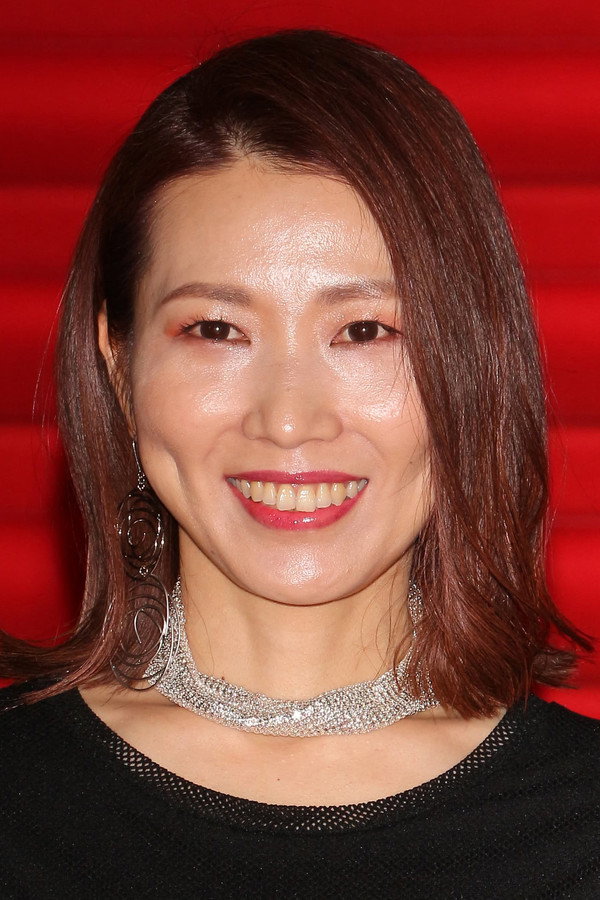
Atsuko Ishizuka
Director


Yoko Hikasa
Couronne / Stephanie (voice)

Ai Kayano
Schwi Dola (voice)

Yoshitsugu Matsuoka
Riku Dola (voice)

Kazuyuki Okitsu
Aley (voice)

Ryota Takeuchi
Artosh (voice)

Yui Horie
Azriel (voice)

Junichi Suwabe
Einithi (voice)

Miyuki Sawashiro
Izuna Hatsuse (voice)

Yukari Tamura
Jibril (voice)

Lynn
Lily (voice)

Mamiko Noto
Shinku Nilvalen (voice)
Articles You May Like
Why DEH should have Gone POC
The gentle, emotional nuances of Evan’s coming-of-age story would have been so beneficial to have incorporated into the life of a POC character. Showing a Black, Asian or Latino young man that is afforded the space to be vulnerable, flawed and sensitive while driving a compelling and widely-loved narrative would have been a game changer.
A Personal Experience of Representation - The Intersection of Armenian Culture & Epilepsy
I am an Armenian who has a mild form of epilepsy. I rarely see Armenian culture and epilepsy properly portrayed in film or TV. I delve into the how and why.
Ryan Coogler's Sinners Turns Horror into History
Set against the backdrop of the Jim Crow era, the film offers layered representation.
"She’s Gotta Have It” was Ahead of the Curve in Portrayal of Female Sexuality
In Spike Lee’s She’s Gotta Have It (1986), we follow the love life of powerful female protagonist Nola Darling (Tracy Camilla Johns) and explore the relationship dynamics she has with her partners. She sees three men simultaneously: Greer Childs, (John Canada Terrell) Mars Blackmon (Spike Lee), and Jamie Overstreet (Tommy Redmond Hicks). Though an 80’s film, She’s Gotta Have It is surprisingly progressive with its themes of female sexuality, although at some points in the film it is handled clumsily. Overall Nola is an incredibly compelling character especially for modern women, as we as a society acknowledge female sensuality more and more without the negative stigma.
"She Rides Shotgun" — A Gritty, Heartbreaking Father-Daughter Thriller
Nick Rowland’s She Rides Shotgun is a blistering, blood-soaked road thriller that doubles as a bruised love story between a haunted ex-con (a career-best Taron Egerton) and the daughter he barely knows (astonishing newcomer Ana Sophia Heger). Fueled by white-knuckle chases, razor-tense shootouts, and quiet moments of aching tenderness, the film captures both the terror and fragile beauty of survival. It’s gritty, heartbreaking, and unforgettable—a father-daughter odyssey destined to leave audiences shaken.