




Last Christmas: Emilia Clarke Stopped Eating Hearts and Decided to Win Them.
In Paul Feig’s newest comedy, Last Christmas, Katarina (Emilia Clarke) didn’t give a heart, she got a heart, you see.

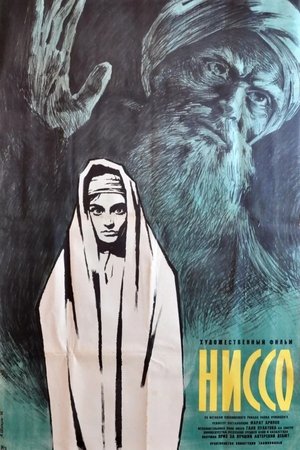
A girl from a tiny mountain village with narrow, walled-in streets and steep, slippery paths lost her mother. Her childhood, spent in her aunt's house, was marked by hunger and poverty. When a tax collector from the powerful and cruel Azizkhan (played by G. Niyazov) arrived in the village, her aunt had no money to pay, so she gave up her niece. And they brought Azizkhan a herd of five goats, a couple of calves, and a thin, frail girl named Nissi, who was destined to become a concubine. The girl decided to run away or perish...
In Paul Feig’s newest comedy, Last Christmas, Katarina (Emilia Clarke) didn’t give a heart, she got a heart, you see.
The Night Doctor achieves telling an original story in which the pace accelerates progressively while supported by dark aesthetics.
Elio could be seen as fantastic piece of representation, showing lonely children who feel ostracized that they are not alone. That is, unless you look behind the curtain.
When diverse representation is featured on-screen, it oftentimes comes with strings attached that undermine the message they were trying to send. This can be attributed to the fact that behind-the-screen, the industry primarily does not reflect the breadth of diverse difference that is present in daily life. That’s why when something as powerful and authentic as Minari comes along, it is both incredibly wonderful and needs a large audience to witness it.
Korean Dramas deserve your attention and not just the ones on Netflix.
I understand that this would have been consistent with the language used by that generation, due to its role in the medical profession, however as someone who has family members with Down Syndrome I took it very personally.