"Mercy" is a Pro-AI Sci-Fi Thriller that Barely Makes Sense
Even without the messaging, Mercy does not hold up as a movie. It's sloppily done and the mystery doesn’t tie together at the end.
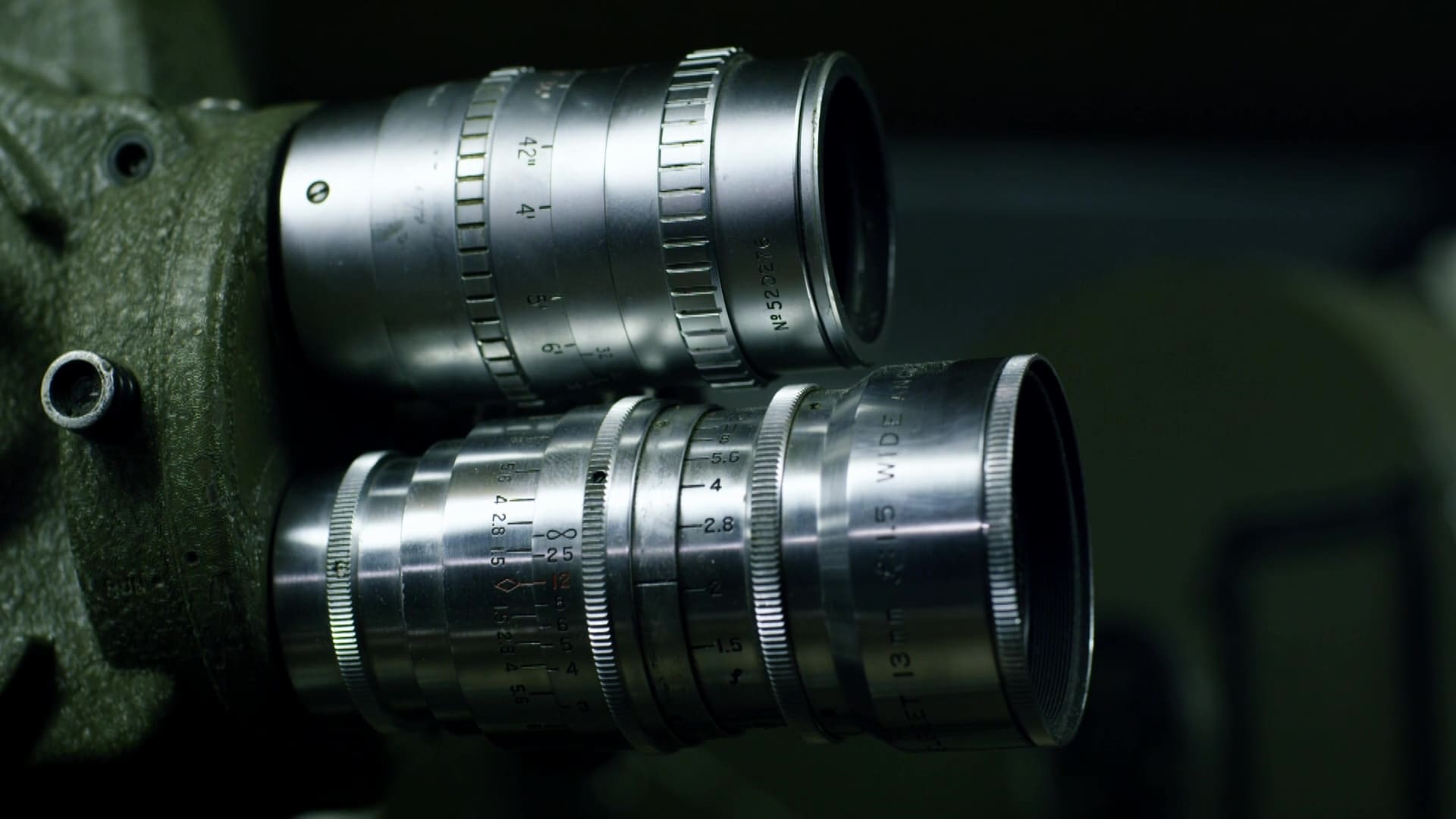
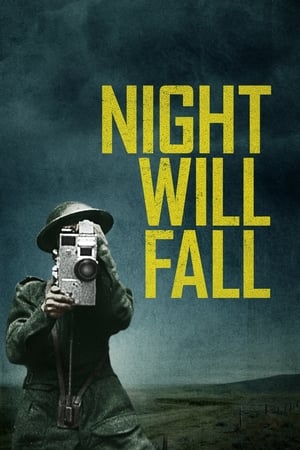


When Allied forces liberated the Nazi concentration camps in 1944-45, their terrible discoveries were recorded by army and newsreel cameramen, revealing for the first time the full horror of what had happened. Making use of British, Soviet and American footage, the Ministry of Information’s Sidney Bernstein (later founder of Granada Television) aimed to create a documentary that would provide lasting, undeniable evidence of the Nazis’ unspeakable crimes. He commissioned a wealth of British talent, including editor Stewart McAllister, writer and future cabinet minister Richard Crossman – and, as treatment advisor, his friend Alfred Hitchcock. Yet, despite initial support from the British and US Governments, the film was shelved, and only now, 70 years on, has it been restored and completed by Imperial War Museums under its original title "German Concentration Camps Factual Survey".

André Singer
Director


Helena Bonham Carter
Narrator (voice)

Jasper Britton
Narrator (German Concentration Camps Factual Survey) (voice)
Toby Haggith
Self - Imperial War Museums
Richard Dimbleby
Self (archive photos/voice)
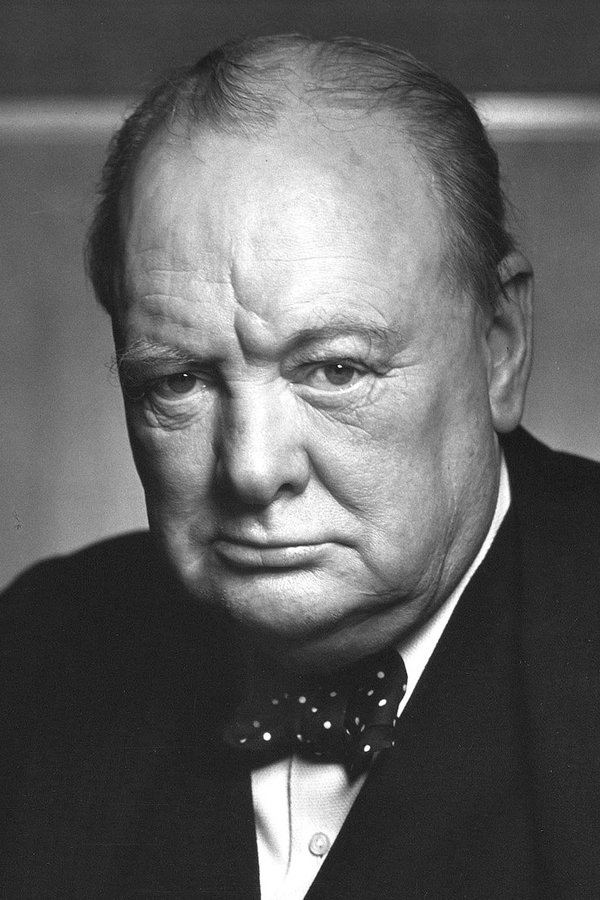
Winston Churchill
Self (archive photo)
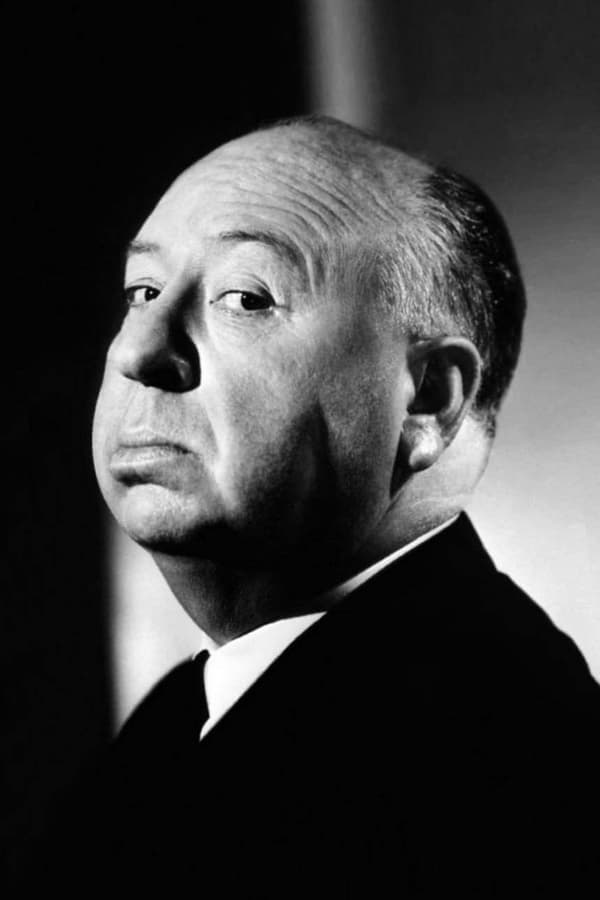
Alfred Hitchcock
Self (archive photos)
Sidney Bernstein
Self (archive footage/photo)
Even without the messaging, Mercy does not hold up as a movie. It's sloppily done and the mystery doesn’t tie together at the end.
As one of the women said in the film, friendship in your teens is “as important as any lover” and it’s clear they lived that philosophy throughout their early adult lives as well.
I’m still trying to comprehend the psychological and moral implications of their fascination with each other, or why their almost written-in-the-stars depth of connection makes so much sense.
A best friend that will stick with you to the end, on a group trip from hell, is someone to die for.
Wacky antics ensue when a 100-year-old Jewish man wakes up from a pickled hibernation in the modern world.