

‘Oppenheimer’: The Man Behind the Myth
‘Oppenheimer’ is a force to be reckoned with. A biopic that respects the audience’s intelligence.
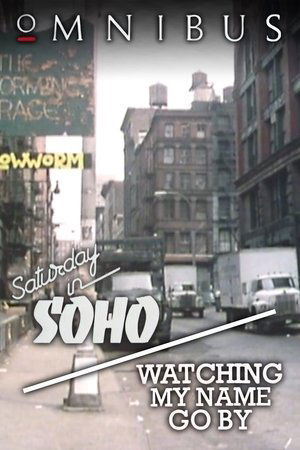


Humphrey Burton introduces two Omnibus USA reports on the arts in New York... that is the arts in the streets, away from the museums and the concert halls. One film is 'Saturday in Soho', an impression of artists, dancers and musicians' work and of the Soho area in general. The second is 'Watching My Name Go By', a showcase a kind of graffiti cult game played by 11 to 17-year-olds. It's illegal and dangerous - and while some New Yorkers think it's a kind of art, others think it's kind of disgusting.
‘Oppenheimer’ is a force to be reckoned with. A biopic that respects the audience’s intelligence.
This little Netflix film was very inspirational. It passes the Bechdel test, and features a different worldview with rural Indian representation.
The social issues The Half of it takes on are handled well, between the antagonization brought on to Ellie for her race and the conflict that arises from her being gay. Both aspects of her character are built up over the course of the film and don’t seem abrupt or rushed. The film shows racism towards Ellie and her and father in varying levels, from having her schoolmates specifically address her as "Chinese girl” to the fore mentioned way her Dad is treated due to language barriers. The same can be said about Ellie being a lesbian. While she never truly “comes out” in the narrative, that does not undermine her journey of self-discovery from being meaningful. These ideas aren’t thrust upon the viewer in a preachy manor, the scenarios that occur feel believable given the rural setting. The film presents watchers with problems whom those like Ellie may face, and leaves us to sit with them and reflect.
Amid the ongoing debate surrounding Christa Pike’s death sentence, watching East of Eden, which shows that women can be monstrous too, is definitely refreshing.
True crime media is notoriously obsessed with the “missing white woman” trope, and yet the vast majority of American murder victims are male, and well over half are people of color.
"Driveways" is a nuanced portrait of an Asian American family, touching on themes of loss, growth, and belonging.