Dead Poets Society Steals a Queer Story
Dead Poets Society relies on patriarchal tropes such as overbearing fathers, contrived brotherhood, and faux-individuality in order to portray its straight white male characters as oppressed.




The slightly self-indulgent artist Thorvald collapses during an interview made in celebration of his 80th birthday and dies shortly after. But in spite of his death Thorvald can still follow those left behind. From a distance, and for better or worse, he sees with his own eyes the imprint he has left on his family and especially his son Vincent, who had a strained relationship with his father.

Erik Clausen
Director

Erik Clausen
Thorvald

Bodil Jørgensen
Englen

Marijana Janković
Thorvalds kone Alice
Katinka Evers-Jahnsen
Lucia

Nicolas Bro
Sønnen Vincent
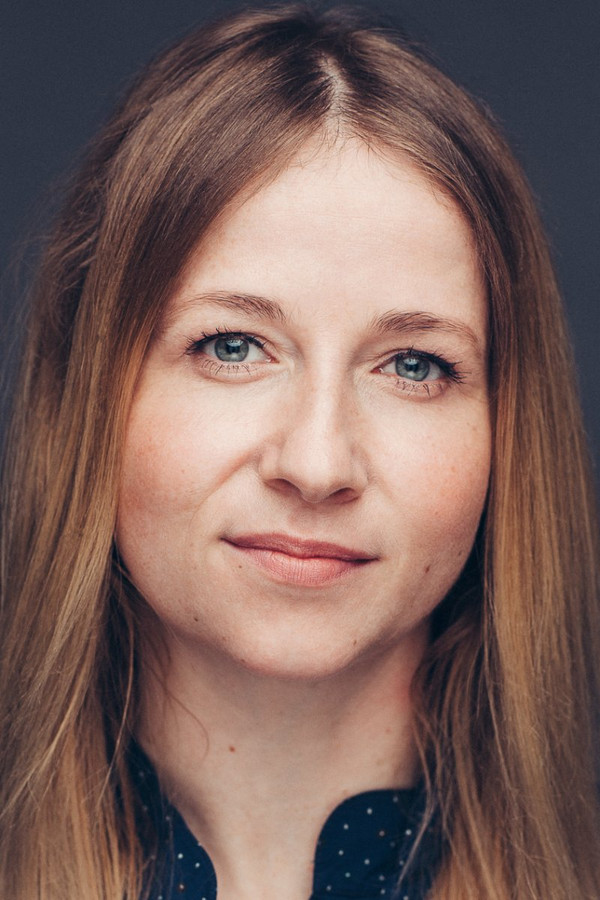
Ulla Vejby
Vincents kone Anne

Britt Bendixen
Thorvalds eks. Bente

Elvir Ramovic
Alices serbiske bror Mike

Niels-Martin Eriksen
Psykolog

Lisbeth Wulff
Journalisten Johanne

Elith Nulle Nykjær
Bentes mand Ole
Dead Poets Society relies on patriarchal tropes such as overbearing fathers, contrived brotherhood, and faux-individuality in order to portray its straight white male characters as oppressed.
Netflix’s Shadow and Bone has a complicated relationship with race. It has a diverse cast, but not without its problems. Based on Leigh Bardugo’s two book series, the show features characters from the Shadow and Bone trilogy, which is very straight and white, and the Six of Crows duology, which is much more diverse. When bringing together a cast and writing about these characters, the team behind the show expanded upon some of the representation missing from the first trilogy, then seemed to take away representation from the duology. Shadow and Bone seems to play a bit of a push and pull game when it comes to portraying diversity onscreen.
“Jumanji - a game for those who seek to find, a way to leave their world behind...” A nostalgic classic that remains unnerving, "Jumanji" draws audiences into a chilling adventure.
"First Day" is a trans kid slice-of-life tv show that brings desperately needed diversity to coming-of-age stories in mainstream media. Here's a show that get's it right by having a trans actress in a story centered on trans girlhood.
Sailor Moon Crystal wisely makes the decision to adapt Season 4's Dream Arc into an epic anime movie where the Sailor Guardians shine brightest.