
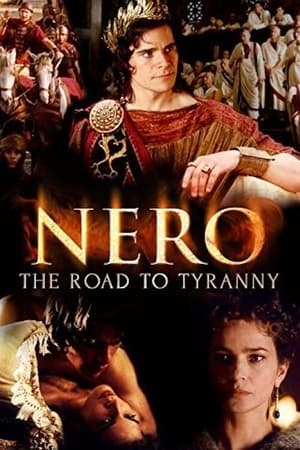
Nero (2005)
As a young boy, future emperor Nero witnesses the mad Emperor Caligula kill his father and exile his mother. While in exile in the pontine islands, Agrippina, his mother, sees a vision telling her that her son can become emperor, but she will have to die first. She accepts the proposal. Back in Rome, Nero, now being raised by emperor Claudius after Caligula's death, Agrippina returns. She poisons Claudius' food and Nero becomes emperor. At first, Nero cuts taxes and introduces successful programs and invades Brittania. Soon he meets a beautiful slave named Claudia Acte, and marries her, throwing off his engagement with Claudius' daughter, Claudia Octavia, telling her she can marry someone she will be happy with. Heartbroken, she arrives at an island and kills herself. Nero enjoys being married to Claudia Acte, but soon he gradually goes mad with power and sets fire to Rome.

- / 5
PopScore
Representation
Pictures and Videos

Movie Information
As a young boy, future emperor Nero witnesses the mad Emperor Caligula kill his father and exile his mother. While in exile in the pontine islands, Agrippina, his mother, sees a vision telling her that her son can become emperor, but she will have to die first. She accepts the proposal. Back in Rome, Nero, now being raised by emperor Claudius after Caligula's death, Agrippina returns. She poisons Claudius' food and Nero becomes emperor. At first, Nero cuts taxes and introduces successful programs and invades Brittania. Soon he meets a beautiful slave named Claudia Acte, and marries her, throwing off his engagement with Claudius' daughter, Claudia Octavia, telling her she can marry someone she will be happy with. Heartbroken, she arrives at an island and kills herself. Nero enjoys being married to Claudia Acte, but soon he gradually goes mad with power and sets fire to Rome.
Rating:PG-13
Genre:War, Drama
Written By:
In Theaters:9/6/2005
Box Office:
Runtime:181 minutes
Studio:EOS Entertainment, Lux Vide, Telecinco











Articles You May Like
“Young Washington” is Imperialist Propaganda
Telling a story about the French and Indian Wars from the perspective of the British prioritizes the perspective of the colonizers.
The Women and the Murderer: Made by Women for Women
In The Women and the Murderer, directors Mona Achache and Patricia Tourancheau center women—the very demographic true crime is designed to appeal to.
Is “Juno” the Pro-Life Movie of the Century?
Juno is extremely funny, very well-written, and contains great performances. The film is also about a very important topic, one that is extremely relevant now: women’s reproductive rights. Is this Oscar-winning film spreading a pro-life or pro-choice message to its audience?
'The Hand of God': Authentic Memory or Cliché Love Letter?
“To be universal, you have to get specific”: while the film does not attempt to provoke discussions about queerness or race, those watching closely may find something resonant in Sorrentino’s love letter to the Naples of his youth.
How to Make a Misogynistic Movie and Call it Feminist
"Ladies First" has a fundamental misunderstanding of what's feminine because of the patriarchy and what women do because they genuinely enjoy it.