
“Bury Your Gays” Trope in TV and How “Wynonna Earp” Defies it
I think that the happiness and survival of "Wynonna Earp"’s LGBTQ+ characters is incredibly refreshing in contrast to the prevalence of queer suffering and death in other television.
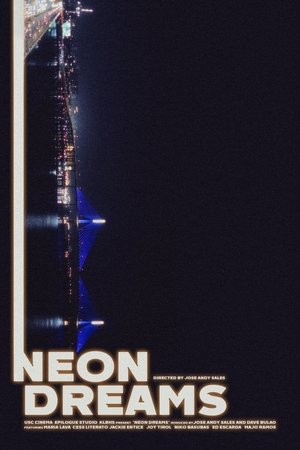


Beneath the neon glow of Cebu City’s nightlife, untold stories of hope, struggle, and dreams come to life, painting a portrait of those who find their place in the vibrant embrace of the night.
I think that the happiness and survival of "Wynonna Earp"’s LGBTQ+ characters is incredibly refreshing in contrast to the prevalence of queer suffering and death in other television.
The Mandolorian has a more nuanced and commentative take on masculinity that refrains from praising the toxic traits associated with the social category, while also showing a more positive and transformative representation of masculine characters.
I am an Armenian who has a mild form of epilepsy. I rarely see Armenian culture and epilepsy properly portrayed in film or TV. I delve into the how and why.
The assassins in Bullet Train are quirky, deadly, and diverse. Yet, they all seem to be some type of caricature. While the movie is fun and action-packed, it’s also packed with stereotypes that don’t make for the best representation.
Shadow & Bone excels in natural story representation with powerful centering of culture. Jessie Mei Li stars as Alina Starkov, the feisty cartographer with kindness, innocence, and integrity, who comes to be revealed as the legendary summoner of light.
Wanda and Vision are suffering under the stress of parenting their twin boys.