









Incluvie – Better diversity in movies.
Identity in film with Incluvie stamps, scores, reviews.

Incluvie – Better diversity in movies.
Explore identity in film with Incluvie stamps, scores, reviews, and insights.

trailer banner
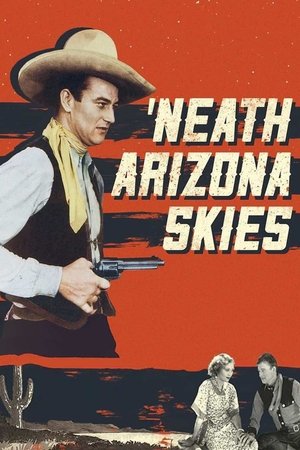
'Neath the Arizona Skies poster

'Neath the Arizona Skies (1934)

Chris Morrell, the guardian of half-Indian girl Nina, is helping her find her missing white father. so she can cash in on her late mother's oil lease. Outlaw Sam Black is after the girl and her father as well. Besides dealing with the Black gang, Morrell has to find another robber, Jim Moore, who switches clothes with him after he finds Chris unconscious from a fight with Sam Black. Along the way, he meets a lady who's the sister of Jim Moore, another bad hombre who's in cahoots with Jim Moore, and an old friend who takes in Nina and helps Chris locate Nina's father and fight off the various desperadoes
- / 5
PopScore
Representation

Pictures and Videos


Incluvie Gala

Movie Information


Chris Morrell, the guardian of half-Indian girl Nina, is helping her find her missing white father. so she can cash in on her late mother's oil lease. Outlaw Sam Black is after the girl and her father as well. Besides dealing with the Black gang, Morrell has to find another robber, Jim Moore, who switches clothes with him after he finds Chris unconscious from a fight with Sam Black. Along the way, he meets a lady who's the sister of Jim Moore, another bad hombre who's in cahoots with Jim Moore, and an old friend who takes in Nina and helps Chris locate Nina's father and fight off the various desperadoes

Rating:NR
Genre:Action, Western
Directed By:Harry L. Fraser
Written By:Burl R. Tuttle
In Theaters:12/5/1934
Box Office:

Runtime:52 minutes
Studio:Monogram Pictures, Lone Star

Articles You May Like


Who Needs 'Independence Day' When You've Got 'Sorry to Bother You'?

Sorry to Bother You ultimately speaks to the unfair advantages that the country’s power structures award to those with the resources to control others, as Lift’s easy access to the media allows his opinion to be the only one that matters in the eyes of the unsuspecting and easily impressed public. Moreover, it reveals the extent to which the American Dream has any true validity. It postulates how the promise of success and fulfillment as promoted by the American Dream more often than not leads to the undoing of the individual. Interestingly, in its revealing of the American Dream as merely a facade, Sorry to Bother You wisely questions whether or not anything can really be done to undo a system that has been accepted and in action for centuries.

Matt Geiger