

Director Anne-Sophie Bine Talks ‘Dog Lover’ and Inception of Film Career
I was able to sit down and talk with the director of the short film Dog Lover Anne-Sophie Bine as she discussed and how she came to be in film.
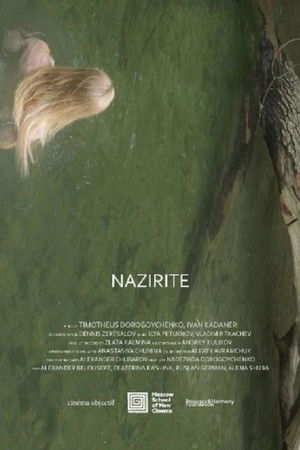


Alexander, a spiritual guru, treats life as a ongoing practice: he leads developmental trainings,specializes on Tensegrity, and being a life coach is eager to help his own daughter to deal with her illness - bouts of depression. He takes her to the sea. As the drama unfolds,we observe,how the world around Alexander begins to oppose his inner practice. Everything around him lives in compliance with a unfathomable law. He is infected with something subtle,something of tremendously erotic nature. Alexander has to make an inner choice: make an act of transgression to find his way out of sensual chaos and find himself. Even if the choice has to be painful. The goal of the film is to explore human nature, which often finds itself on the verge between spiritual-religious and sensual entity.
I was able to sit down and talk with the director of the short film Dog Lover Anne-Sophie Bine as she discussed and how she came to be in film.
I like discovering something new among the old and Tubi has an assortment of horror films from cinema's past for just such an occasion.
'The Wiz' has the propensity for paying homage to black culture with R&B music, graffiti and jazzy elements that make it incredibly entertaining.
The movie behind the space toy from the 'Toy Story' film series is finally here.
Honey Don't! is a chaotic queer noir that's part detective story, part midnight movie madness. Margaret Qualley is fantastic as the wise-cracking private eye Honey, with Aubrey Plaza and Chris Evans adding their own dry humor to the mix. The mystery itself is pretty loose, but the film makes up for it with crackling sexual tension, weird side characters, and razor-sharp dialogue. It's messy and uneven, but in the best possible way.
The roaring emotional ride that was the season four finale sets June on a new path: more of a Survivor's Journey.