
“Not My Dog,” But It Should Be
Not only can viewing Not My Dog inspire people to adopt a dog that may be facing tremendous odds, but even that simple action of watching has a social effect.
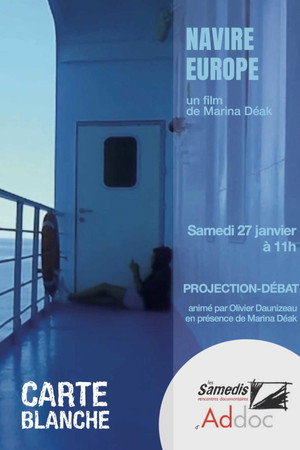


Trude was my grand-mother. An admirable woman, a survivor from the camps, a terrible woman. The imperious will to survive. I wouldn’t film her, ever. I didn’t want to look back, I didn’t want to hear of death, I didn’t want survival. I wanted life. I wanted to be free. Until Trude’s unbending way of speaking started to bend. I then understood the time had come to come to her and look at her, freely. To film life and death, my own way, at the present.
Not only can viewing Not My Dog inspire people to adopt a dog that may be facing tremendous odds, but even that simple action of watching has a social effect.
Miley Cyrus shares her struggles as a songstress with a young audience, all while staying upbeat for the Disney brand.
I understood post-memory as passing down stories and images of one’s experiences that are not your own. For decades, rape has been depicted in cinema through a third-person perspective, leaving the viewer to observe rape; not to experience it.
These confines won’t really encourage you to read the film as a metaphor for the nerve-inducing experience we’ve all been through over the last year, however — and in the interest of maintaining your dignity, you probably shouldn’t. While the sociopolitical commentary may have worked for the similarly-themed Buried (2010), in which we find Ryan Reynolds on his own buried alive in the Middle East, but this futuristic take on the premise is best left as a piece of distracting entertainment. Nevertheless, the atmosphere is no less suffocating, literally and dramatically.
How closely should film adaptations follow their source material? Let's take a deep dive into "Norma Rae", and find out.
Canvas illustrates the story of a grandfather who, after suffering the loss of his beloved, struggles to reclaim his love for painting.