







‘Jungle Cruise’ Is Fun but Has Questionable Representation
'Jungle Cruise' is fun if you can ignore the racism of the ride it’s based on and the film’s bland, stereotypical characters.
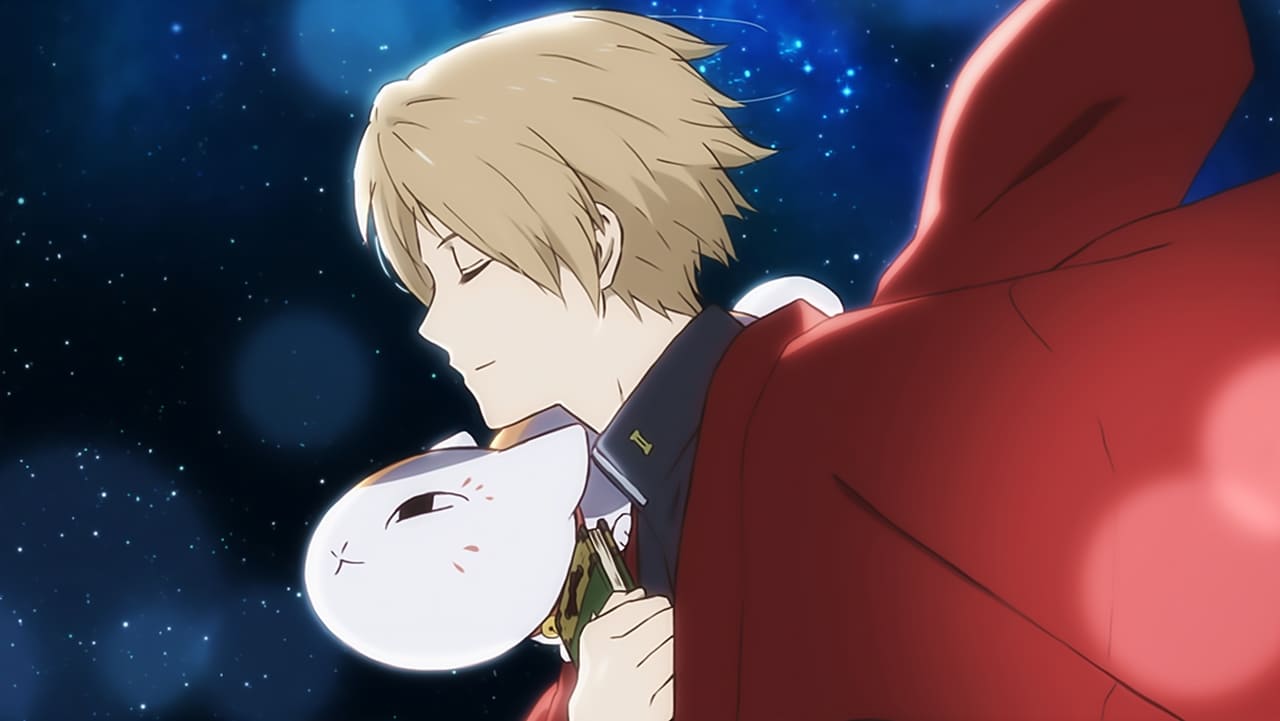
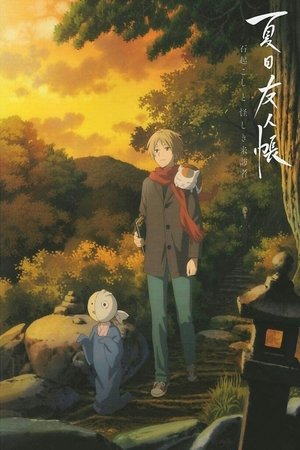


The film will be made up of two stories: "Ishi Okoshi" and "Ayashiki Raihousha." In "Ishi Okoshi," Natsume meets a small youkai called Mitsumi in a forest. Mitsumi is entrusted to wake up the divine youkai "Iwatetsu" from its deep slumber. Mitsumi weighs on Natsume's mind, so he sets out to help Mitsumi with his task. In "Ayashiki Raihousha," a mysterious visitor appears in front of Tanuma. Nearly every day, the visitor visits Tanuma, talks to him a little, and then leaves. Natsume, who knows the visitor is a youkai, worries for Tanuma, but Tanuma enjoys these exchanges with the youkai. The youkai means no harm, but Tanuma's health slowly starts to deteriorate.
'Jungle Cruise' is fun if you can ignore the racism of the ride it’s based on and the film’s bland, stereotypical characters.
'Legally Blonde' remains a standard of feminist filmmaking over two decades after its release, although its poor treatment of racial and sexual minorities make it a product of its time.
Ruben Östlund muses about his characters, “As soon as you get close to a person, you see them as just another human being”. It is widely recognized that aboard the luxury yacht in ‘Triangle of Sadness’, the different groups of people represent a small society as a commentary on classism and gender binaries.
Stand and Deliver is an inspirational classic from 1988 starring Edward James Olmos as Jaime Escalante, and his class of rag tag students in East Los Angeles. It’s the story of how a new teacher shows a motley group of students in the inner city with backgrounds as gang members, dishwashers, and mechanics — the power of self-determination. He teaches the teenagers to believe in themselves through algebra and calculus.
I am shocked and upset to report that the movie about a female car mechanic who meets the love of her life online featuring Katy O’Brien does not, in fact, have a lesbian storyline.
White audiences saw Peola’s mixed-race passing as a Black woman’s struggle to be white. Black audiences saw it as the rebellion of a Black woman trying to gain privileges only given to white people.