Twin Peaks: Why LGBTQ Ally Depiction is Crucial
Portraying how easy it is to be an ally heavily benefits the majority audience. The more we encourage it, normalize it, and give people the tools to become one, the sooner we can co-exist peacefully.
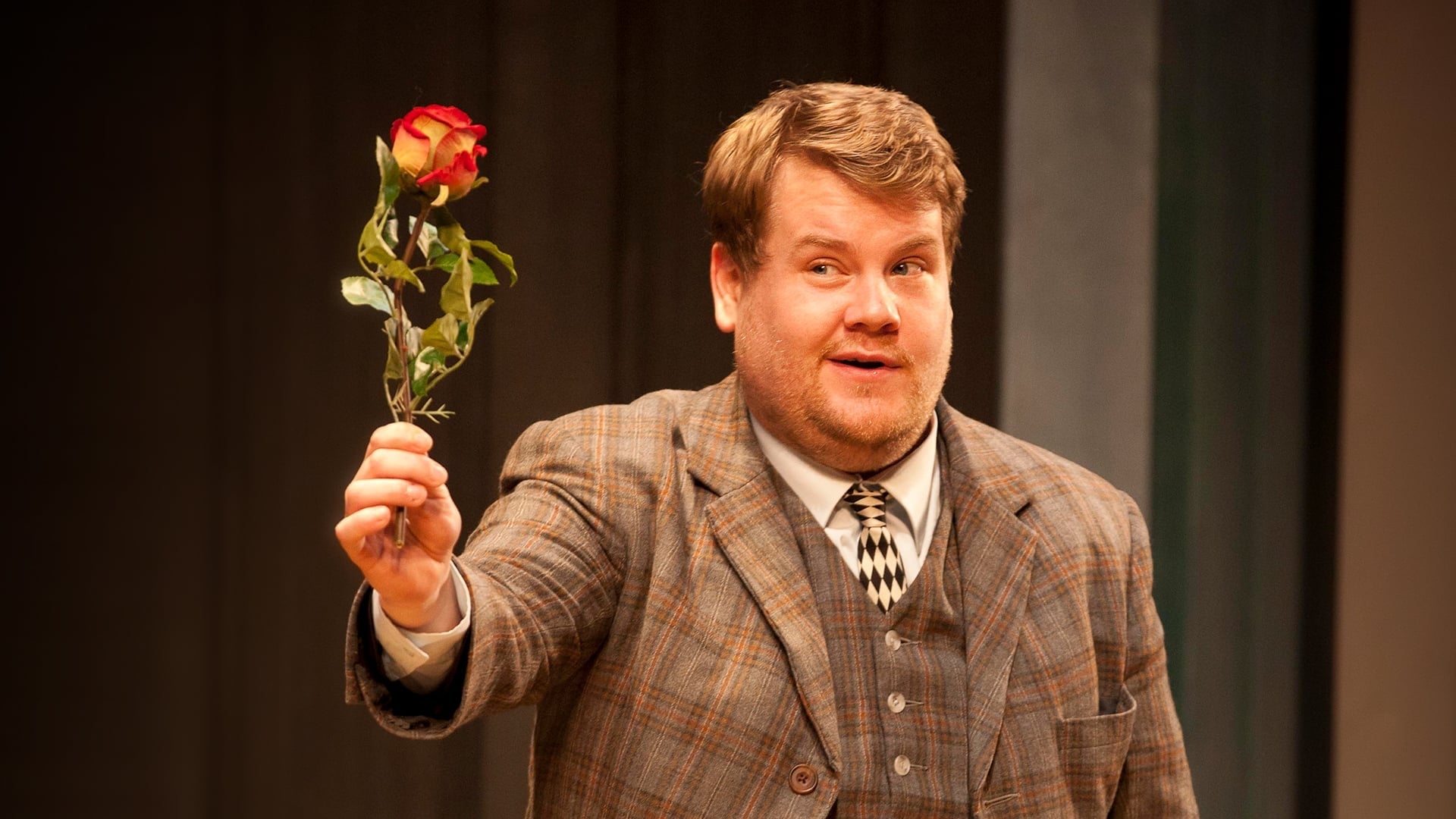
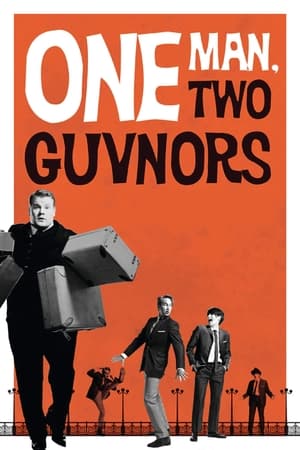


Fired from his skiffle band, Francis Henshall becomes minder to Roscoe Crabbe, a small time East End hood, now in Brighton to collect £6,000 from his fiancée’s dad. But Roscoe is really his sister Rachel posing as her own dead brother, who’s been killed by her boyfriend Stanley Stubbers. Holed up at The Cricketers’ Arms, the permanently ravenous Francis spots the chance of an extra meal ticket and takes a second job with one Stanley Stubbers, who is hiding from the police and waiting to be re-united with Rachel. To prevent discovery, Francis must keep his two guvnors apart. Simple.

Nicholas Hytner, Robin Lough
Director

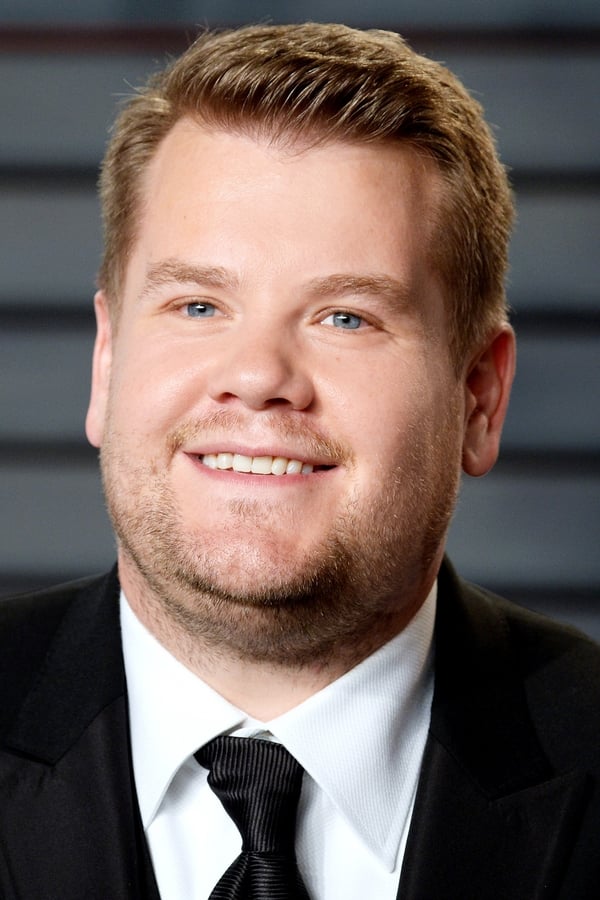
James Corden
Francis Henshall
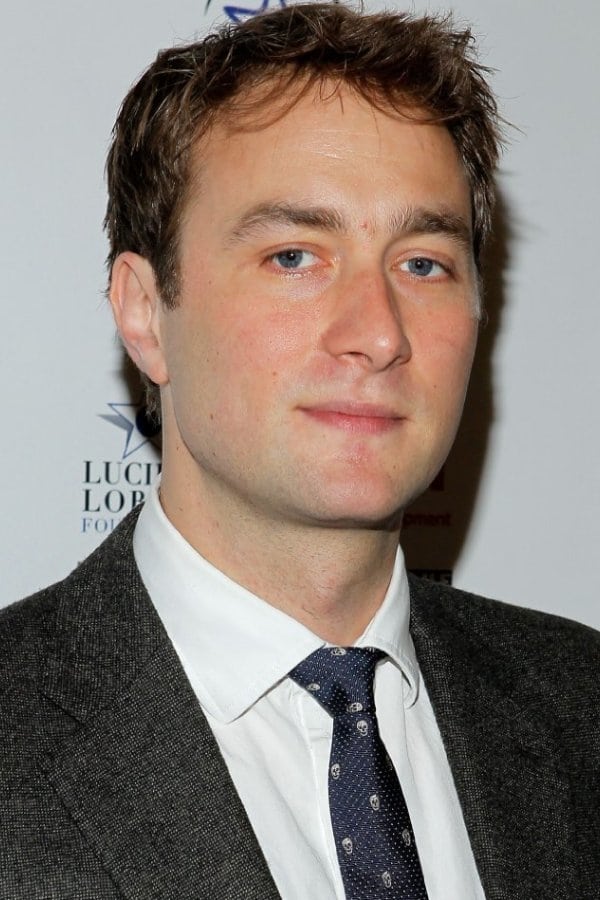
Oliver Chris
Stanley Stubbers
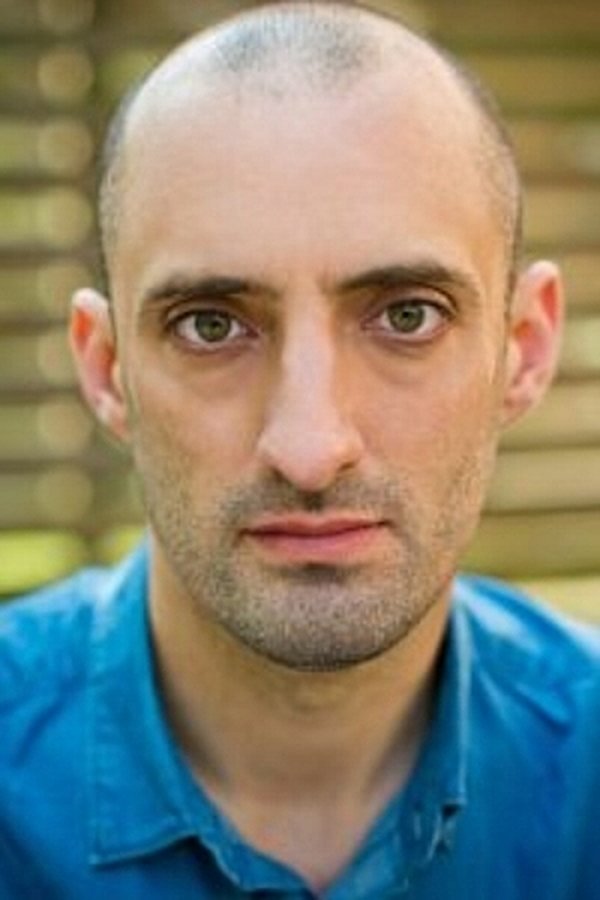
Tom Edden
Alfie
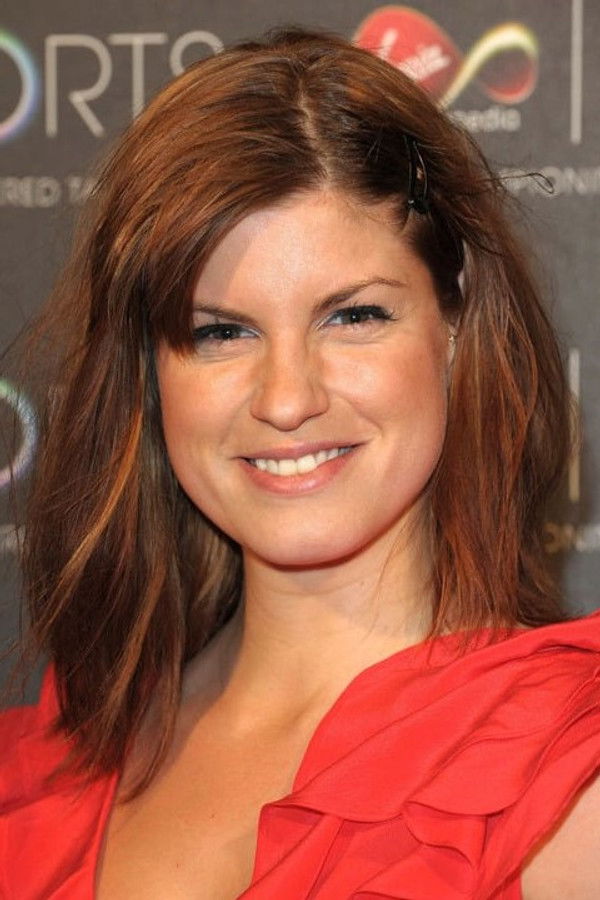
Jemima Rooper
Rachel Crabbe

Suzie Toase
Dolly
Fred Ridgeway
Charlie 'the Duck' Clench
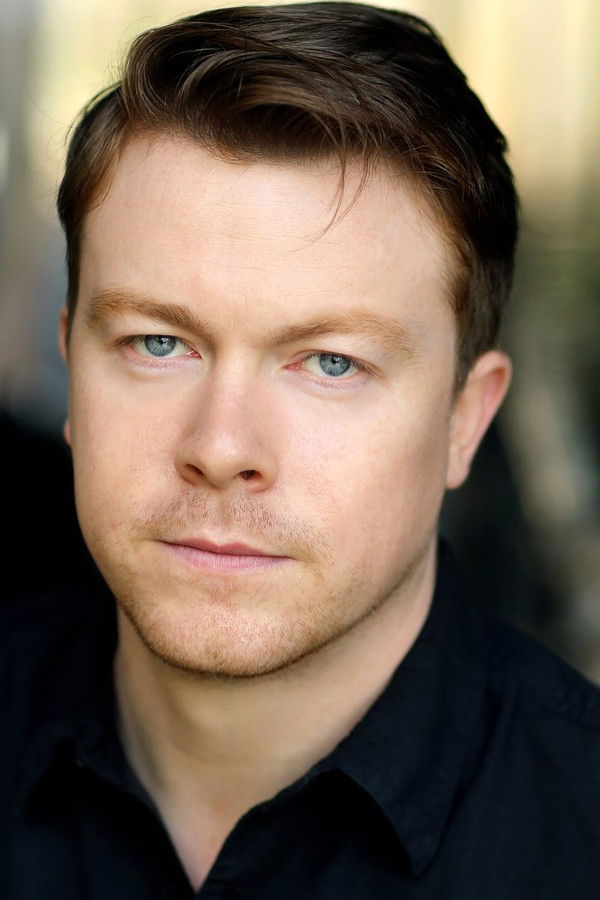
Daniel Rigby
Alan Dangle
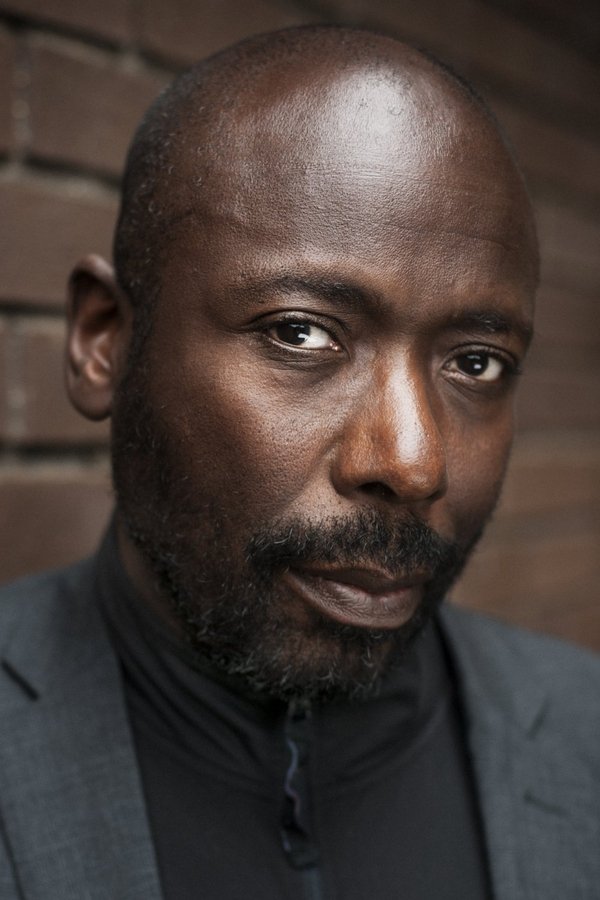
Trevor Laird
Lloyd Boateng

David Benson
Gareth

Claire Lams
Pauline Clench

Martyn Ellis
Harry Dangle
Portraying how easy it is to be an ally heavily benefits the majority audience. The more we encourage it, normalize it, and give people the tools to become one, the sooner we can co-exist peacefully.
Overall, Lee Cronin’s The Mummy is plagued by numerous flaws, both from a quality and from a diversity standpoint. The film relies on gore and loud sounds to drown out its flat script, flatter dialogue, and one-dimensional characters.
Nope succeeds tremendously in dealing with higher concepts in an engaging and highly entertaining manner without sacrificing theme or personality.
In light of the trailer release for the Five Nights at Freddy's sequel, it’s due time to talk about the first movie.
Nightbooks, the newest entry in children's horror, honors classic horror films, focuses on themes of acceptance, and has awesome production design.