
'Show Dogs' Are On the Case
A K-9 police dog goes undercover to stop an illegal animal smuggling ring and learns a valuable lesson along the way.
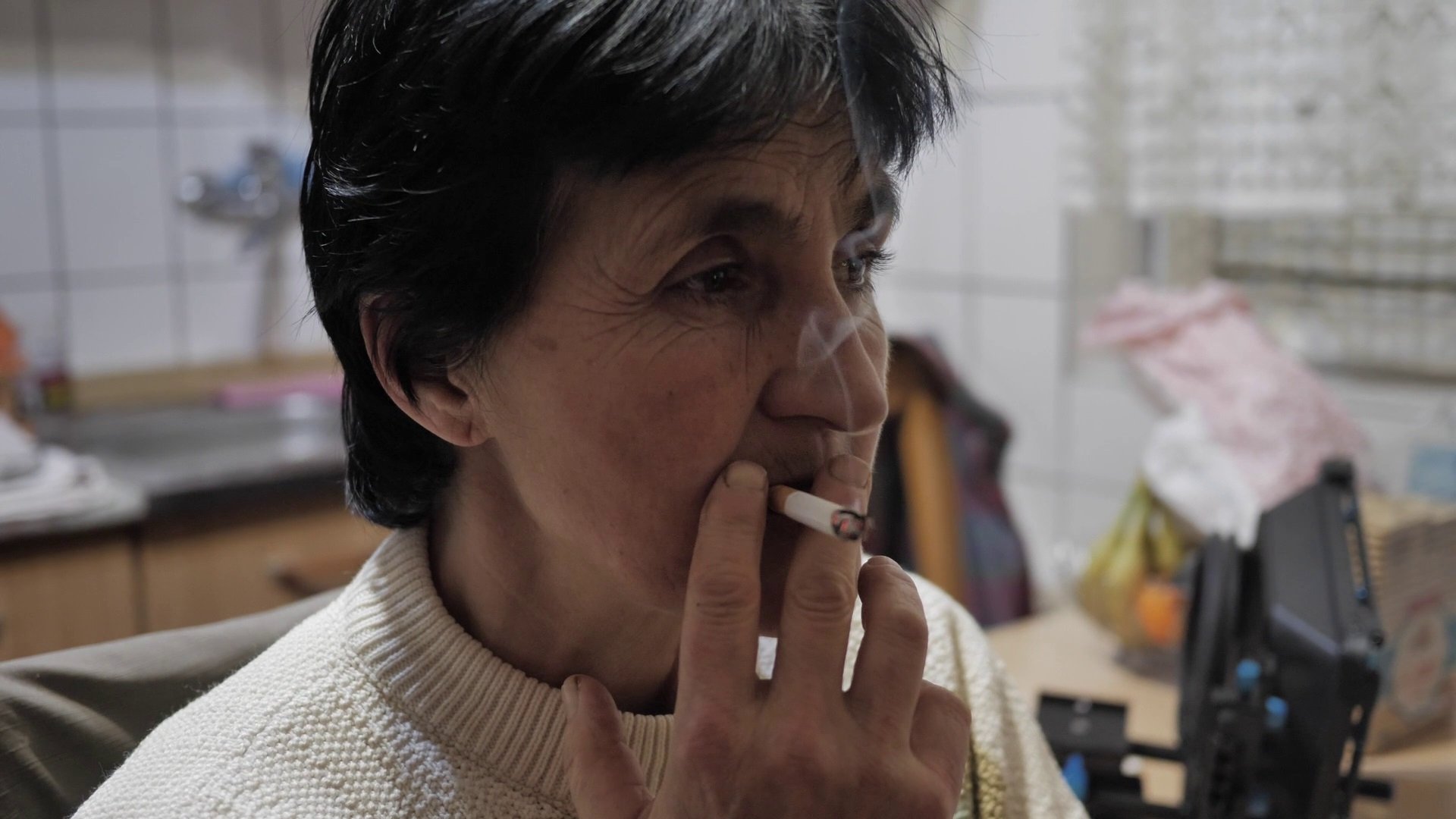
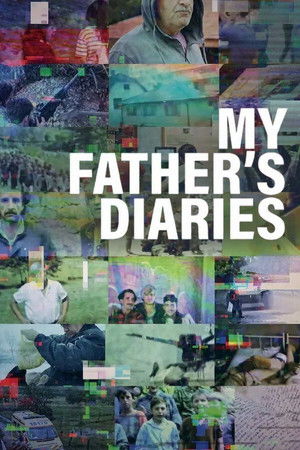


It is 1993 when Bekir Hasanović exchanges a gold coin for the camera he will use to film everyday life in Srebrenica during the days of the war. The images he records with his improvised crew, called Dzon, Ben & Boys, give life to the unexpected portrait of a population lost, but able to maintain a proud connection with reality without giving up its typical humor. Ado, Bekir's son, starts from these images and from the pages of the diaries kept by his father to reconstruct, together with his mother Fatima, the image of his father and finally be able to know how he survived the Death March and the Srebrenica genocide.
A K-9 police dog goes undercover to stop an illegal animal smuggling ring and learns a valuable lesson along the way.
Escape The Field is a serviceable horror thriller. The characters are easier to remember as horror character tropes. As I wrote this review, I only remembered the characters by their tropes: #FinalGirl, #Everyman, #Badass, #MeanB*/SexyGirl, #Realist/BlackLesbian, and #TheNerd.
Making Apes begins by looking back at the history of makeup effects in Hollywood, which was revolutionized by Jack Pierce, the person behind Frankenstein (1931) and The Wolf Man (1941)
Sorry to Bother You ultimately speaks to the unfair advantages that the country’s power structures award to those with the resources to control others, as Lift’s easy access to the media allows his opinion to be the only one that matters in the eyes of the unsuspecting and easily impressed public. Moreover, it reveals the extent to which the American Dream has any true validity. It postulates how the promise of success and fulfillment as promoted by the American Dream more often than not leads to the undoing of the individual. Interestingly, in its revealing of the American Dream as merely a facade, Sorry to Bother You wisely questions whether or not anything can really be done to undo a system that has been accepted and in action for centuries.
'The Menu' has a strong story. The 5 acts, which are defined by the courses, are an excellent subversion of the classic 5-act film structure.
Disney/Pixar may see a bit of a turning point with Pixar’s new Disney+ Sparkshorts short film: OUT.