


Get Excited for 'Encanto', Disney’s Latine Animated Musical
Make way for more Latine representation! Disney has released a toe-tapping musical trailer for "Encanto", which features more diversity than expected!
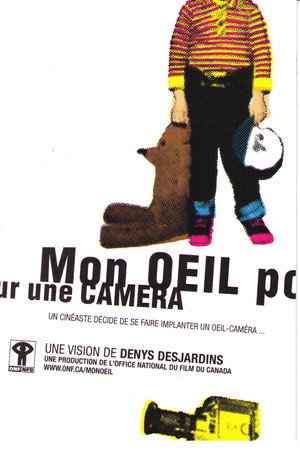


A filmmaker, fascinated by the power of the camera and obsessed with the theories of Russian film pioneer Dziga Vertov, decides to get a camera eye to replace the real eye he lost as a child. The visionary quest begins on the operating table, where a surgeon grafts a prototype ocular implant into his eye socket. Seeking a microscopic camera that could be incorporated into his artificial eye so he could secretly film whatever he sees, the filmmaker explores the futuristic technology that could make this possible, while revisiting chapters of his own past.
Make way for more Latine representation! Disney has released a toe-tapping musical trailer for "Encanto", which features more diversity than expected!
Ultimately, Wicked is a story about the cost of being othered, the pain of being misnamed, and the quiet revolution of standing in your truth.
But what many do not know is that in 2019, a Wonder Woman film was released that had all of the positive qualities of WW84, and remedied many of the negative ones. Wonder Woman: Bloodlines, a direct-to-video animated movie in the DC Animated Movie Universe, perfectly balances the campiness and seriousness of the character.
SPOILERS AHEAD. Premature is a story about the pain of love and realities. Transitioning from youth to our perspective of adulthood, how do we grapple with loss?
A K-9 police dog goes undercover to stop an illegal animal smuggling ring and learns a valuable lesson along the way.