


Writing Great Villains: Why They Shouldn't Be Sympathetic
Writing great villains is about striking a balance between charming and evil, so we love them but also love to see them lose.
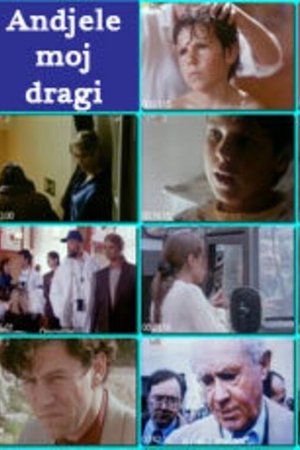


Wartorn Croatia, 1991. Seven-year-old Jerko lives a relatively peaceful life in a small village. However, when the ethnic conflicts reach his doorstep, he's forced to quickly grow up. His grandmother is viciously gunned down, his uncle mortally wounded, their family home is torn to shreds and his parents are taken by the Serbian forces as POWs. Hiding away in a wicker basket, he finds his way to an orphanage, but finds that shock had now rendered him speechless. Whilst being situated there, he establishes a growing connection with Bernarda, a psychiatrist who grows a liking for him.
Writing great villains is about striking a balance between charming and evil, so we love them but also love to see them lose.
We are constantly being pushed to move on from mishaps and negative feelings. What happens if we're not ready to do so?
'An American Werewolf in London' possesses a possible queer reading in the way it envisions a heterosexual romance being undone by the presence of a creature who embodies self-contentment in the face of social alienation.
The film's Incluvie rating is off the charts. It features Black, Muslim, queer, trans humans whose moms hold them up, fight for them, and love them for who they are...making anything possible.
It’s fun, it’s energetic, but it’s also understated and vicarial. Zola is a modern black fairytale and future of black movies.