Mortal Kombat: Scorpion’s Revenge Gives Fans a Gory Good Time
Ever since the mid-’90s, the Mortal Kombat game franchise has seen multiple attempts to make it on the big screen, or at least adapted into other media.
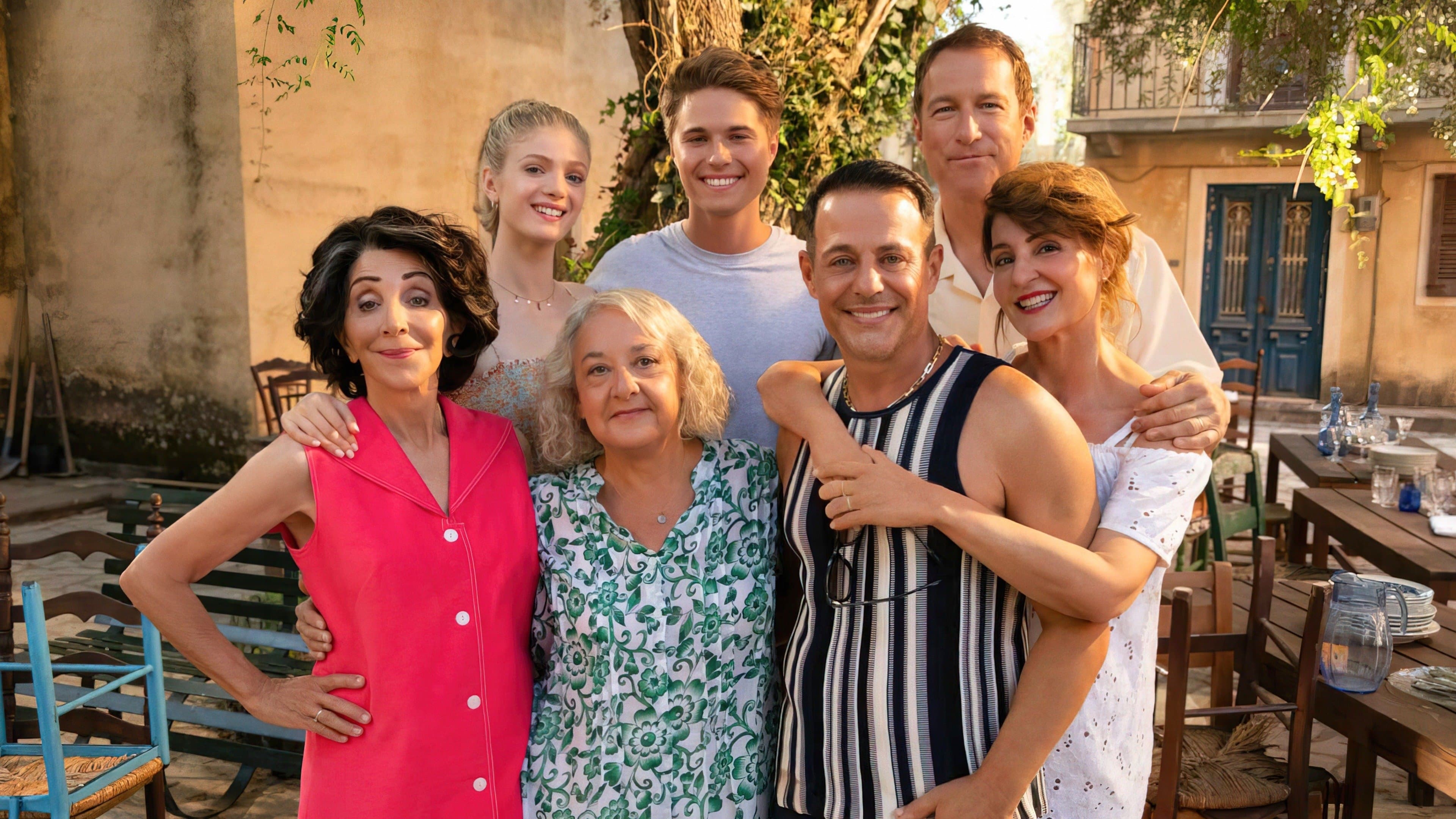
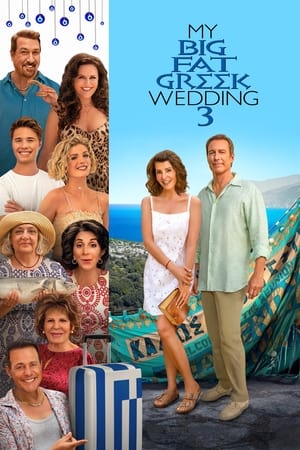


For just over two decades, the Portokalos family has brought us zany antics and wholesome, relatable interpersonal dilemmas. Writer, and now director, Nia Vardalos is a walking advertisement for the power of inclusive storytelling, having taken it upon herself to tap an underserved market by crafting a self-reflective narrative, and effectively introducing audiences to Greek culture in a way no creative had done before.
She created a multimillion-dollar family-friendly franchise that revolves around themes of love, acceptance and finding balance between honoring tradition and embracing the new.
The latest installment continues this trend, but critics aren't really acknowledging it.
In doing my research for this piece, I noticed there hasn't been much coverage on 'My Big Fat Greek Wedding 3,' and what is out there is largely negative - bent on highlighting the ways the film proved a disappointment, a fate that meets a lot of sequels.
While I don't necessarily disagree with some of this commentary, I want to focus this review on an element the franchise continues to intentionally incorporate into its storytelling: queer representation.
This time, in the form of a new character - Victory, a non-binary Portokalos cousin, played by newcomer Melina Kotselou.
The spectrum of the reviews I read about the film range from not even mentioning Victory to referring to the character as a “woman” and using she/her pronouns to talk about them, to this one Collider piece, which celebrates the non-binary representation the character provides.
Why I felt compelled to write this article.
I was both disheartened and a bit unsurprised by the lack of praise or recognition this character has received; and given the platform I have with Incluvie, I was even more emboldened to share my thoughts on why Victory is so important.
And why Voula remains one of my favorite characters in this charming film series.
Angelo's storyline in 'My Big Fat Greek Wedding 2'
According to a recent survey, 7% of Americans self-identify as a member of the LGBTQIA+ community. This means, statistically speaking, that in a family as big as the Portokalos bunch, a few of them are bound to be queer.
It therefore made sense that when the second film in the franchise was released in 2016, it featured a scene where we learned that Joey Fatone’s character, Angelo, is gay.

Following the death of their patriarch Gus, the Portokalos family travels to Greece for a family reunion, and to deliver Gus' journal to his old friends.
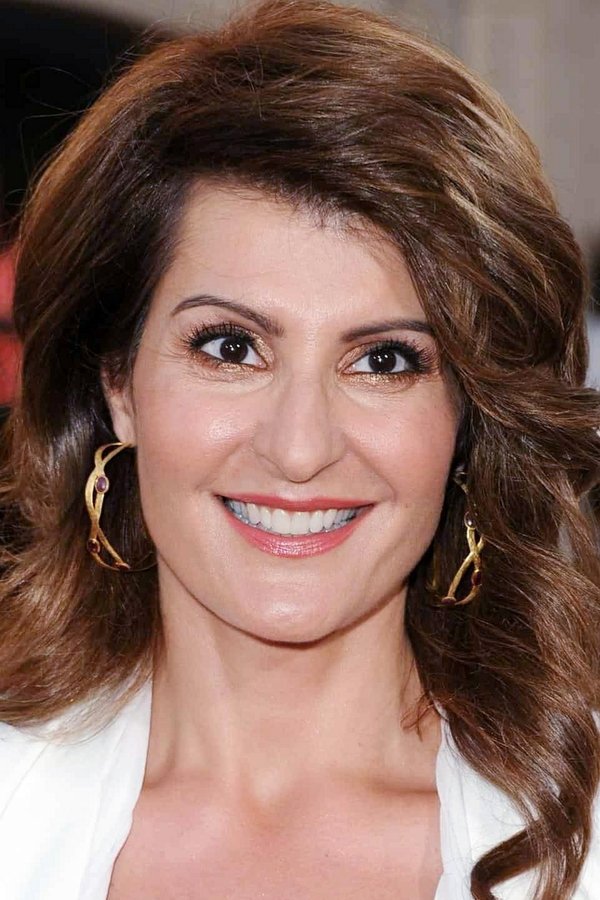
Nia Vardalos
Director

Nia Vardalos
Toula Portokalos-Miller
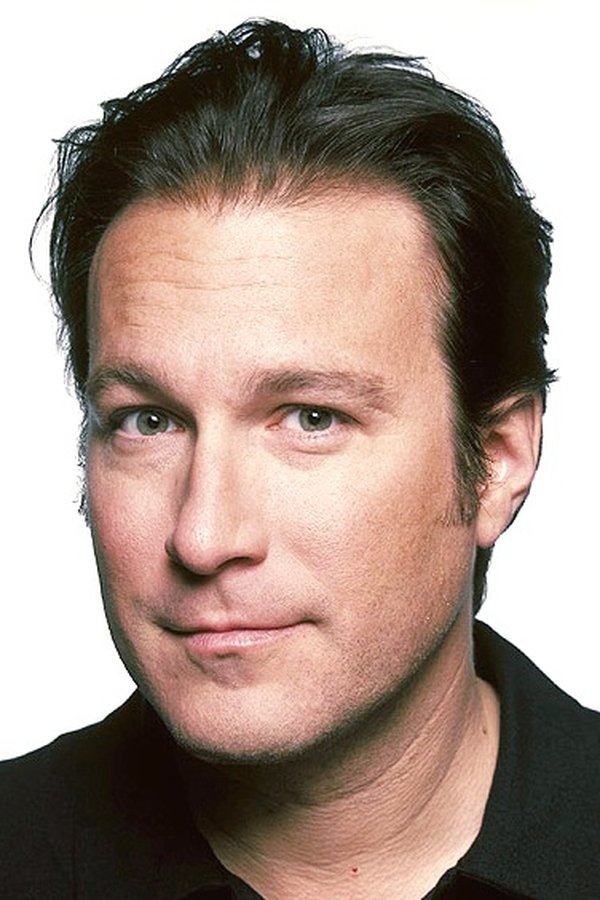
John Corbett
Ian Miller
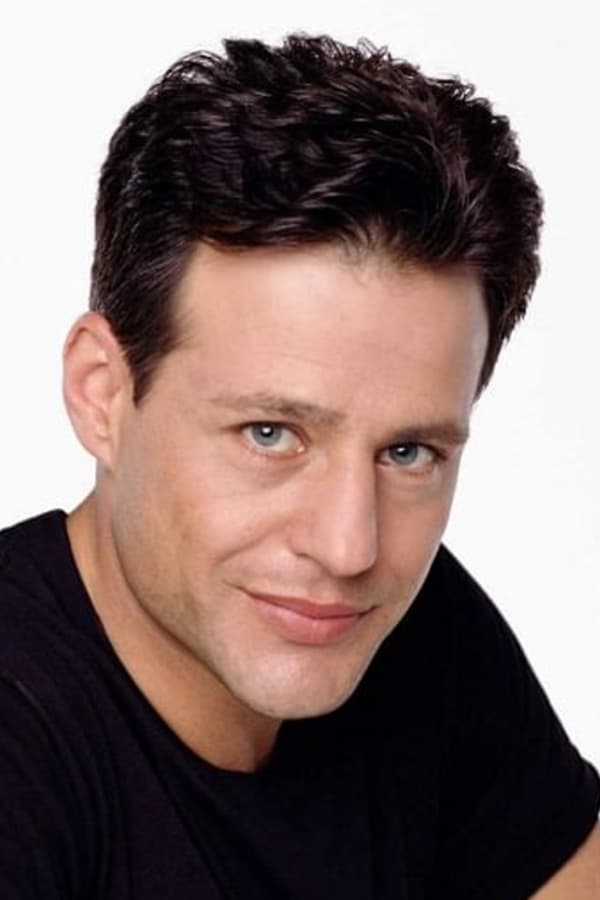
Louis Mandylor
Nick Portokalos

Elena Kampouris
Paris Miller
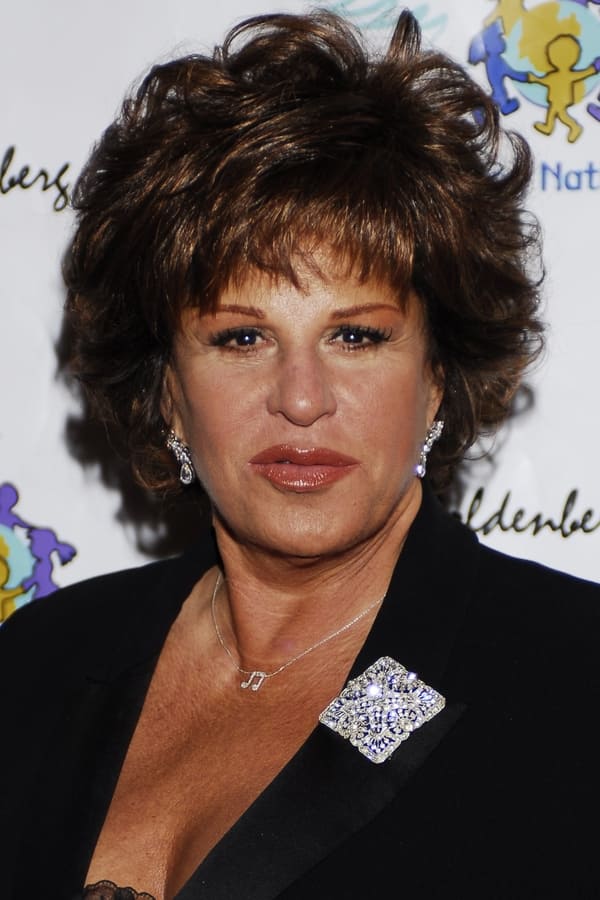
Lainie Kazan
Maria Portokalos
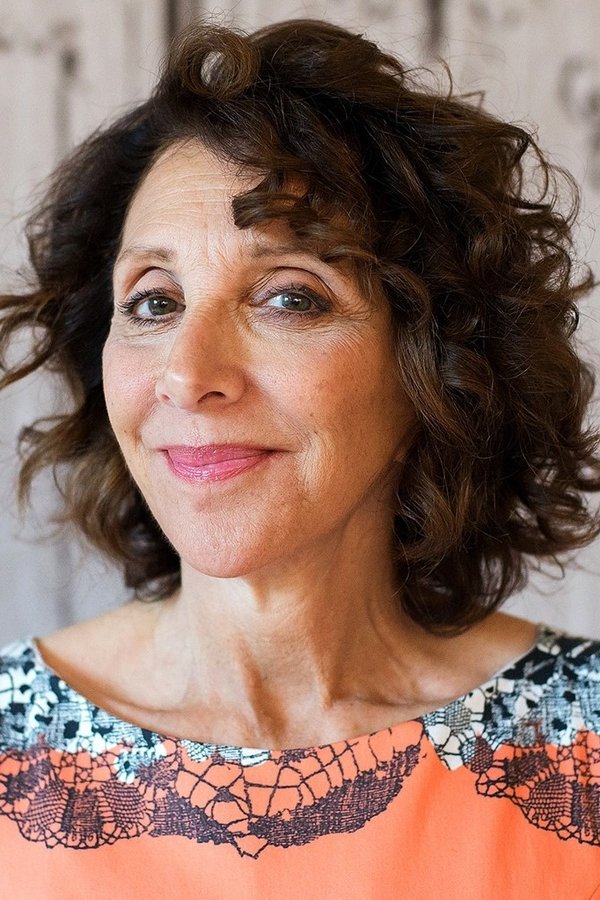
Andrea Martin
Aunt Voula
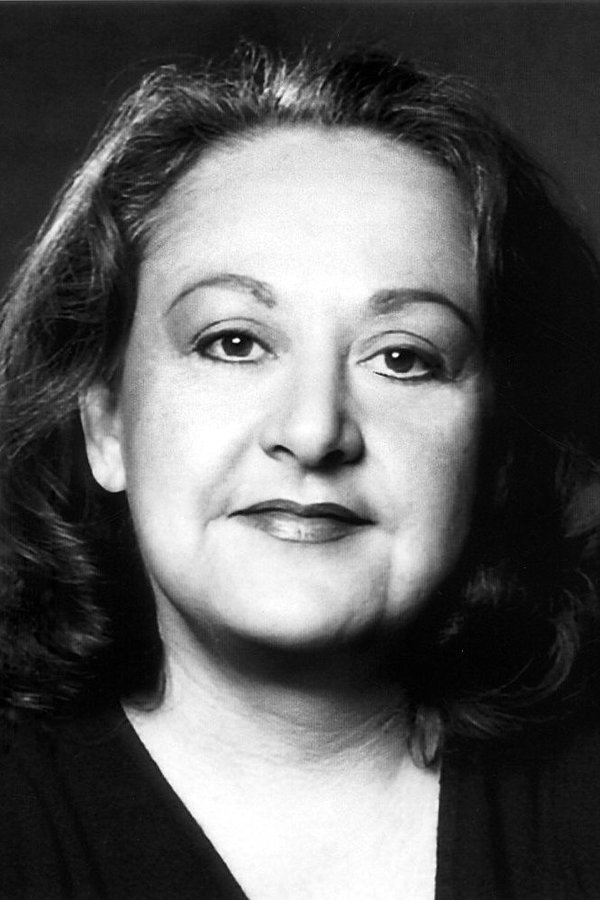
Maria Vacratsis
Aunt Freida
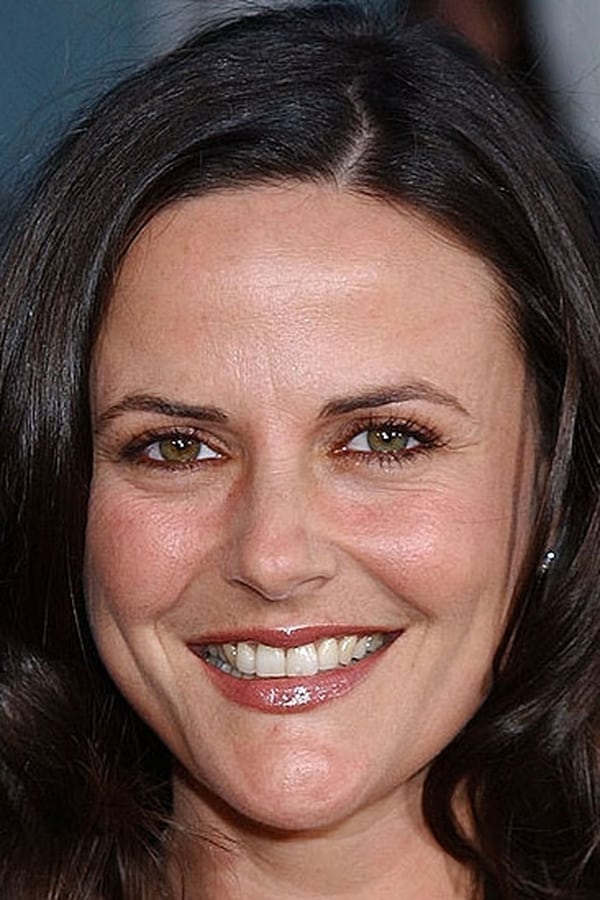
Gia Carides
Nikki Portokalos
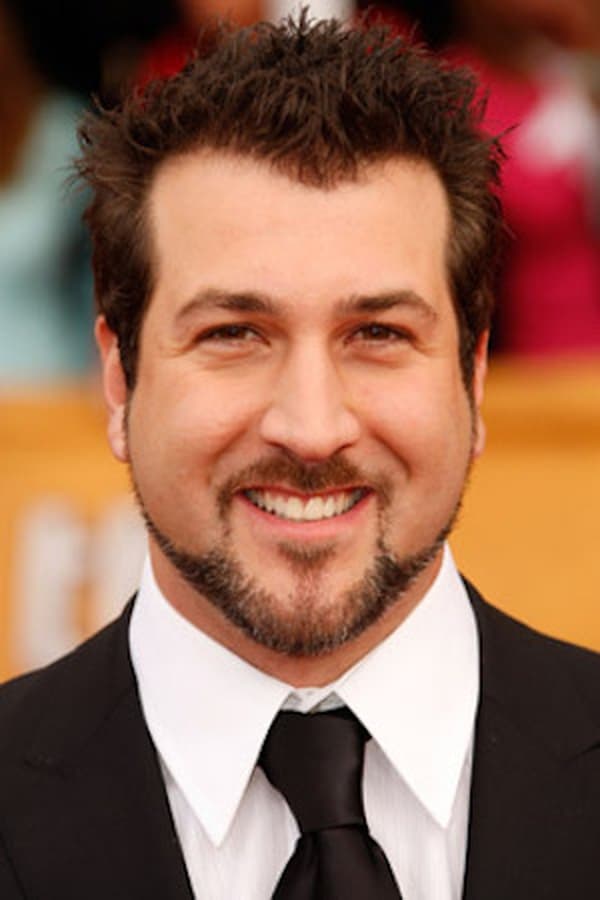
Joey Fatone
Angelo Portokalos
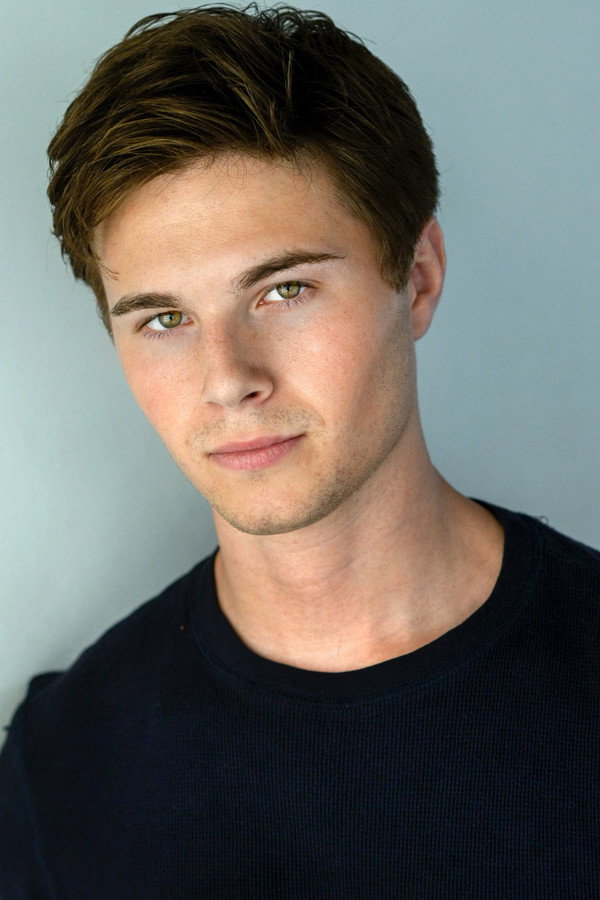
Elias Kacavas
Aristotle
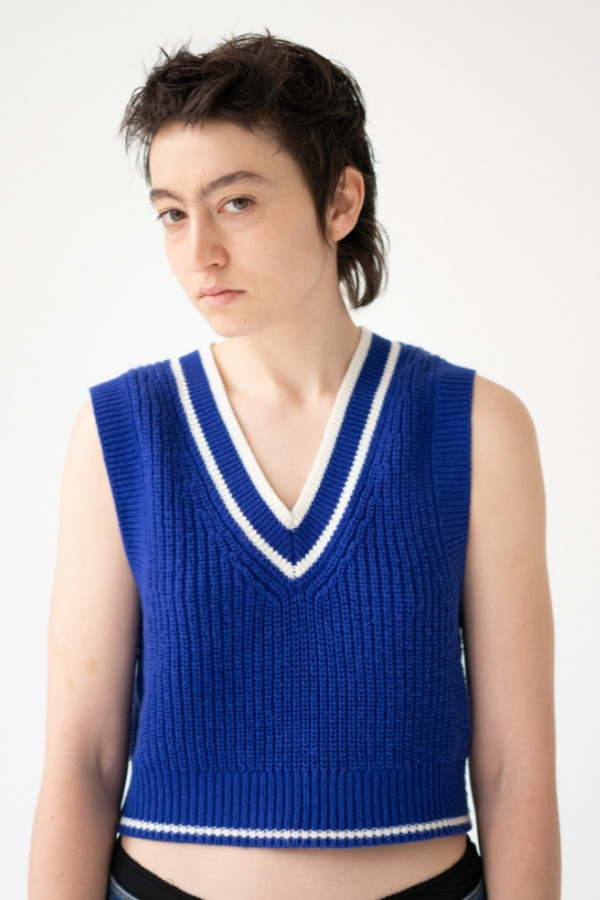
Melina Kotselou
Victory
Ever since the mid-’90s, the Mortal Kombat game franchise has seen multiple attempts to make it on the big screen, or at least adapted into other media.
The definition of the word foul is “offensive to the senses,” which is a pretty good summation of the new Disney+ film, Artemis Fowl
Villeneuve’s Dune is a masterpiece for its crafting process, but references to David Lynch's picture are sometimes too obvious.
Korean Dramas deserve your attention and not just the ones on Netflix.
Coolie promised style, action, and Rajinikanth’s mass presence, but did it deliver on substance? Here’s my full review on whether Lokesh Kanagaraj’s film lives up to the hype.
"Well, the film industry is completely sexist and completely class-biased." A closer look at Lynne Ramsay's impressive body of work.