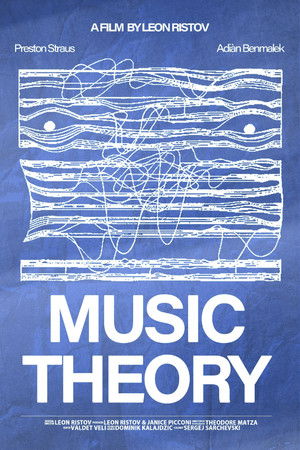
Music Theory (2023)
Every Music Theory class, Mark and Boris playfully taunt each other in the back row. One day, during a listening session of Tchaikovsky's "Swan Lake," the teenagers' customary teasing unveils a deeper truth about their feelings for one another.

- / 5
PopScore
Representation
Pictures and Videos

Movie Information
Every Music Theory class, Mark and Boris playfully taunt each other in the back row. One day, during a listening session of Tchaikovsky's "Swan Lake," the teenagers' customary teasing unveils a deeper truth about their feelings for one another.
Rating:
Genre:Drama, Romance
Written By:Leon Ristov
In Theaters:10/5/2023
Box Office:
Runtime:5 minutes
Studio:


Articles You May Like
Fear Street: Part One - 1994
I believe in homages, but there's a proper way to borrow a creative idea instead of making it appear as if you hit the copy and paste button. Most likely, anyone is better off simply reading the books. Or just put on Scream.
"Antebellum" Film Review
Short Film Review "Jamarcus Rose & Da 5 Bullet Holes" - Chasing ambitions, accepting guidance, finding brotherhood, and realizing the fragility of life
Over the last several years, I have had the privilege of being one of the critics having the opportunity to watch and review several films from writer/director/producer Marcellus Cox, whose efforts are never anything less but grounded, relevant, and steeped in unflinching glimpses illustrating the gripping, inspired, and ever-vacillating realms that make up the human condition.
Richard is a Jewell
Even with its straightforward premise, “Richard Jewell” is ramped up by exceptional drama. In all honesty, the performances are out of this world. As Jewell, Paul Walter Hauser becomes a walking representation of gullibility. His bumbling antics create the perfect hero, and very quickly, we feel the societal heat that surrounds our protagonists.
Mixed-Race Passing: An Actress's Life Mirrored in "Imitation of Life"
White audiences saw Peola’s mixed-race passing as a Black woman’s struggle to be white. Black audiences saw it as the rebellion of a Black woman trying to gain privileges only given to white people.