








Joyfully Chaotic, 'Why Don't You Play in Hell?' is a Must-See
If you enjoy Japanese cinema, absurdly violent action films, gangster flicks, or joyfully strange cinema, 'Why Don’t You Play in Hell?' is a must-see.
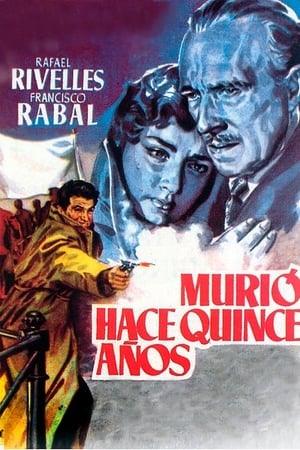


Diego Acuña was one of the five thousand children taken to Russia during the Spanish Civil War. He was educated in the communist pedagogy and prepared for a career as an agitator that developed in France and Italy under the command of Goeritz, one of the party officials. One day he was commissioned a delicate mission: assisting in the murder of his father, because he turns out to be a major obstacle to the illegal actions of communism. To do so he moves to Spain, pretending he is bored of Soviet doctrine
If you enjoy Japanese cinema, absurdly violent action films, gangster flicks, or joyfully strange cinema, 'Why Don’t You Play in Hell?' is a must-see.
"Boston Strangler" pulls the curtain back on a well-documented historical moment involving significant contributions from women reporters.
Making Apes begins by looking back at the history of makeup effects in Hollywood, which was revolutionized by Jack Pierce, the person behind Frankenstein (1931) and The Wolf Man (1941)
"Clifford the Big Red Dog" retells the adventures of Emily and her striking puppy to highlight the joy of being different and inspire another wave of young fans.
'Rag Tag' encompasses the diversity within the African Diaspora by showing London Nigerian men learning to regulate their emotions while navigating love and societal pressures.
The development of existing characters and the addition of some new ones have surely placed 'Ted Lasso' on some sort of an Incluvie A-OK list.