



Writing Great Villains: Why They Shouldn't Be Sympathetic
Writing great villains is about striking a balance between charming and evil, so we love them but also love to see them lose.
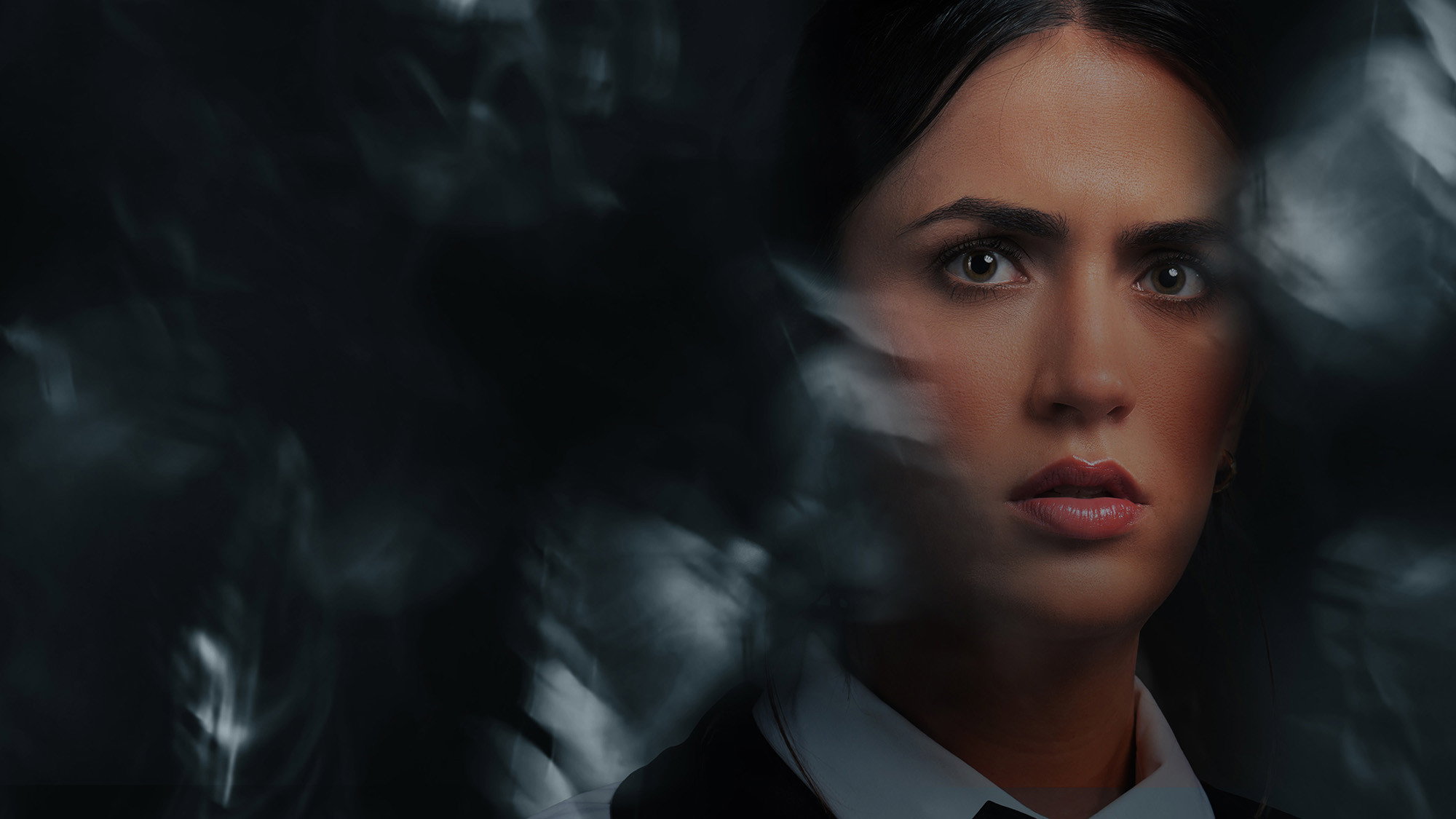


A blind waitress at a dining-in-the-dark restaurant becomes the sole witness to a murder, making her the next target of a killer determined to eliminate the only person who could identify him.
Writing great villains is about striking a balance between charming and evil, so we love them but also love to see them lose.
A code adopted by gay men and LGBTQ+ individuals in general to subtly disclose your identity to another, “friend of Dorothy” is widely considered to originate with Judy Garland.
When Eddie Palmer is released from prison he returns home and he meets Sam, soon becoming his primary caregiver.
Those saying it's a bad movie simply because it's bad as a slasher should be reminded that the likes of Jordan and Alexandra often don’t get their tales told, let alone in such major releases helmed by veteran actors like Bacon.
Horse racing is a very difficult sport and challenge, especially for a young woman like Michelle Payne.
Remakes. Reboots. Reinventions. Redundancy. It's the common practice in Hollywood of late, sometimes offering us victorious reimagining of what can be considered cinematic classics while also, more often, falling flat on their UN-imaginative faces in utter defeat and lackluster results. Admittedly, with this in mind, I went into the newest incarnation of "The War of the Roses" with typical trepidation and cautious optimism.