
Más allá de lo común
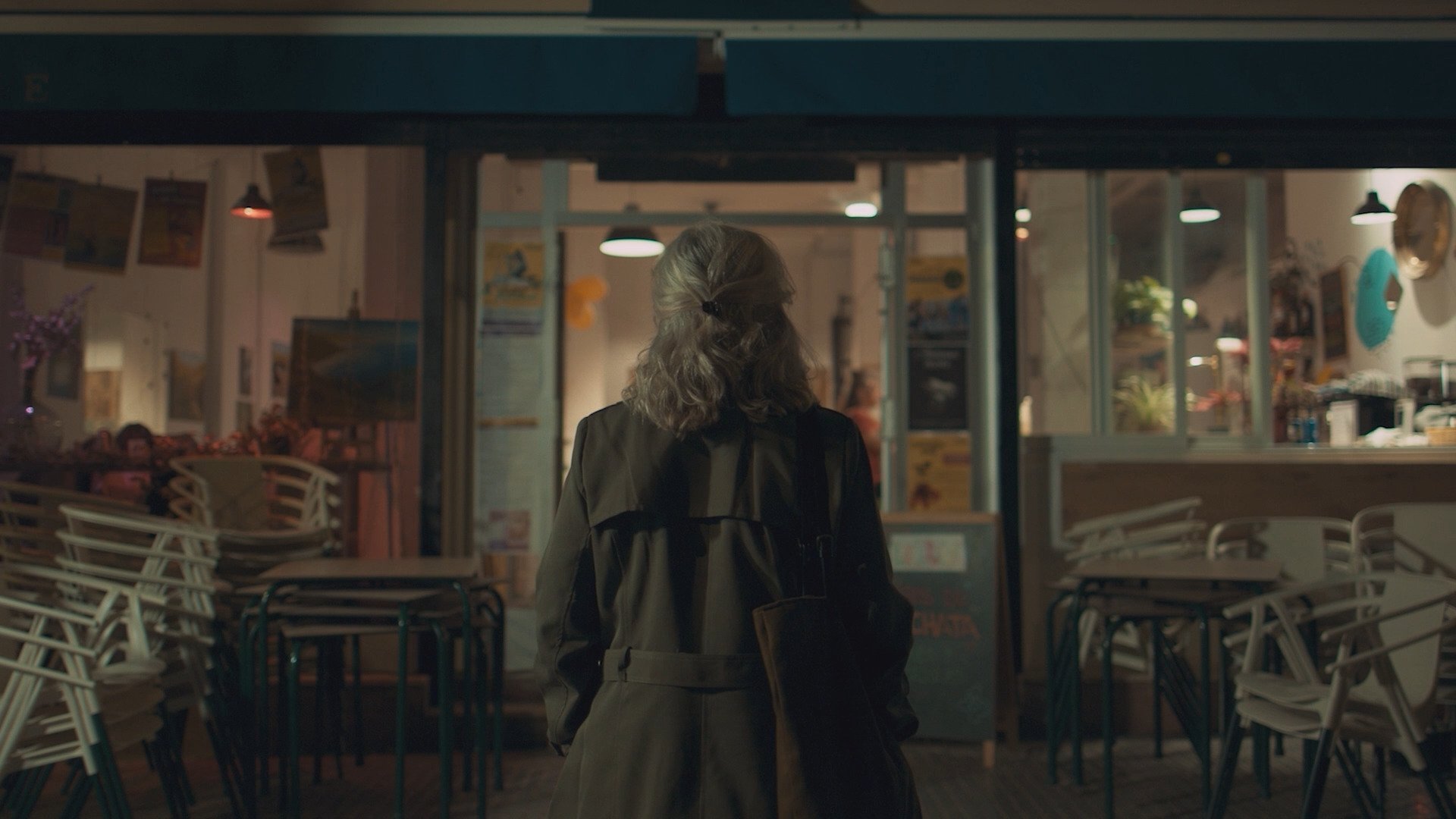
Pili, a 51-year-old widow, unexpectedly leaves her home when, on her way, she is interrupted by the presence of an alien. After trying to tell her children about the extraterrestrial encounter and being ignored by them, she must investigate how to deal with this being. Meanwhile, she grapples with new desires to abandon the traditional life she has always known. In the end, she will have to confront and accept her deepest fears in order to fight this alien.

- / 5
PopScore
Representation
Pictures and Videos

Movie Information
Pili, a 51-year-old widow, unexpectedly leaves her home when, on her way, she is interrupted by the presence of an alien. After trying to tell her children about the extraterrestrial encounter and being ignored by them, she must investigate how to deal with this being. Meanwhile, she grapples with new desires to abandon the traditional life she has always known. In the end, she will have to confront and accept her deepest fears in order to fight this alien.
Rating:
Genre:Science Fiction, Comedy, Drama
Written By:Miriam Márquez, Álvaro Vera
In Theaters:
Box Office:
Runtime:
Studio:Antología Sobrenatural
Cast



Articles You May Like
"The Naked Gun" (2025) Film Review-YES!! The comedy we actually NEEDED has arrived!
One of THE most frustrating trends in the mainstream film industry over the last several decades has been the onset of comedy efforts that seem SO focused on being crude and/or gross-out in all ways possible. That, at least for me, makes them no longer funny.
'Honor Roll Boys' (MiamisFF Review): A Bit of Harmless Fun
Initially feeling like a passionate group having a bit of harmless fun with filmmaking, it leads to something sinister enough to leave a mark.
Operation Desert Suck in “Mine”
Happy Halloween, Scooby Doo!: An Original Movie
The new Scooby Doo movie that will give viewers the frightening adventure of their lives.
The Lasting Impression of “One Night in Miami”
One Night in Miami... did not frame the racism and bigotry as something that could be solved by quality time spent between individuals. Instead, it featured four different legends of Black History together in one room disagreeing for about 2/3 of the film.