









'The Vigil': To Believe or Not to Believe?
If you mix religious rituals with dark mythology, the result will be effective, and the story powerful in 90% of the cases. That is exactly what happens at the beginning of The Vigil.
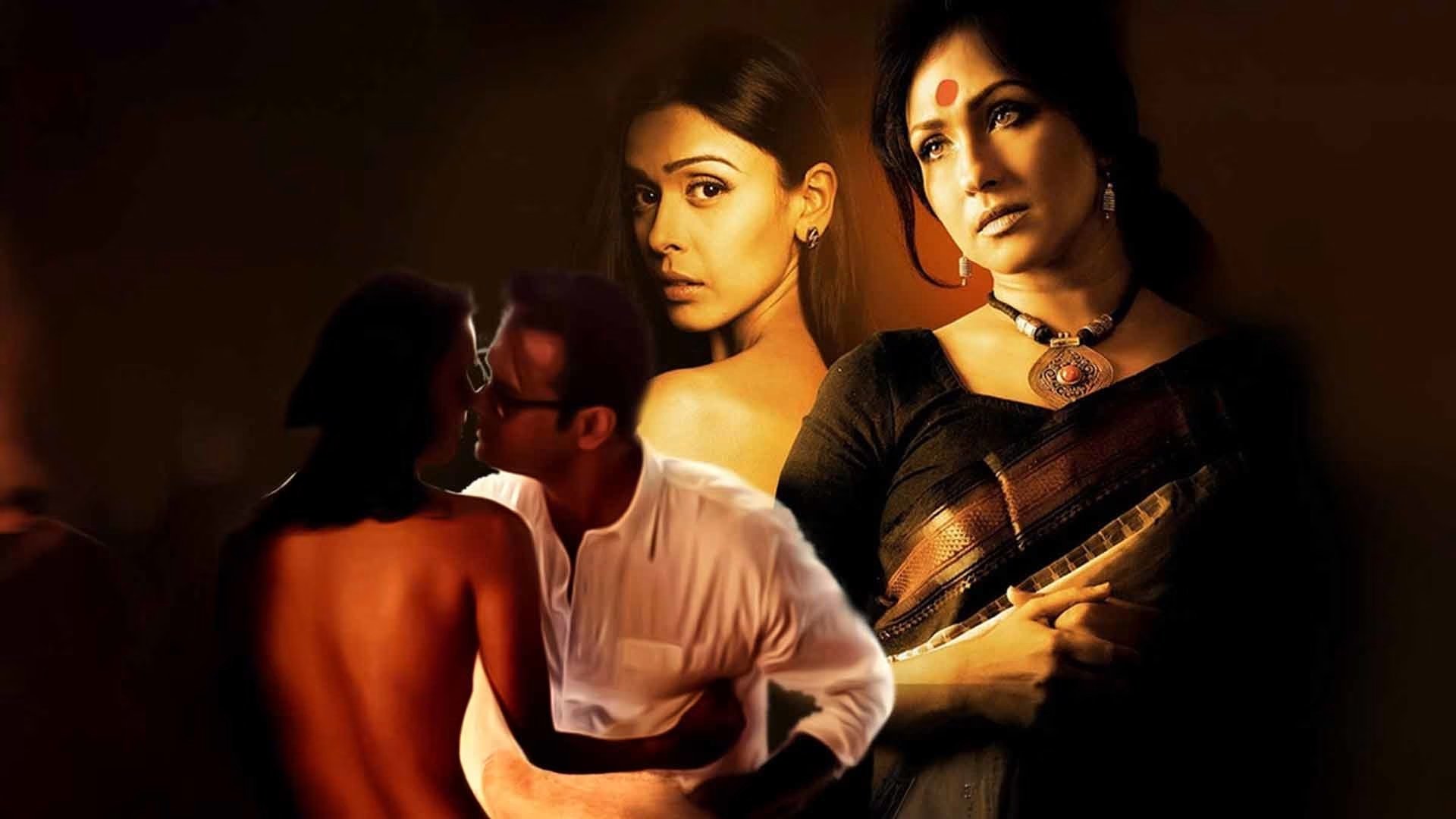



On the wee hours of a December morning, the ring of a telephone shatters the quietness of the Sen household. Anuradha, Who answers the call, is stunned to hear the caller on the other side of the line. Her husband had met with a fatal accident in Thailand and had sunk into coma and she needed to take the next available flight and reach the hospital. Both Anuradha and Sohini's world are shattered. Both the Mrs. Sen did not know how to address this crisis that they had never imagined in their wildest dreams. Somnath's body is cremated and Anuradha wants to carry the ashes to India, to Somnath's father for the last rights. Sohini does not object, as she is about to set for the Airport, Sohini faints. The doctor is called and he asks Anuradha to admit Sohini to the Hospital once more. In the Hospital, Sohini is diagnosed as having her internal organs damaged and internal bleeding happening. Doctor's however clearly mention that it was only days before Sohini would actually die.
If you mix religious rituals with dark mythology, the result will be effective, and the story powerful in 90% of the cases. That is exactly what happens at the beginning of The Vigil.
In all actuality, “Just Mercy” should be labeled a “wall punching narrative.” Constantly, the flick throws high forms of adversity our way, amping up our most inner levels of discomfort. Filmmaker Destin Daniel Cretton wonderfully paces the film in such a way that replicates the slow-burn nature of justice.
The plot could’ve really been interesting if the elements of lycanthropy was integrated with perhaps the struggle of identity of being LGBTQ+. It's an experience for so many that as they’re starting to realizing their true selves, they feel like a monster, especially if they come from unsupportive homes or communities. Instead, the horror and transformation elements seem thrown in without contemplation of how this could deepen the narrative.
This film was filled with great plot points. Unfortunately, they all contradicted each other and clashed. Had the premise of Awake been more consistent and accurately portrayed the real world aspect, I think this could have been an extreme success.
Disguised as a cosmic highway horror, Alexander Ullom’s It Ends is a beautiful, albeit terrifying, metaphor for learning that if you want to survive adulthood and become your own person, you have to learn to let people go.
Standing up for what's right, she's met with miraculous results. She takes charge of her own destiny.