
Writing Great Villains: Why They Shouldn't Be Sympathetic
Writing great villains is about striking a balance between charming and evil, so we love them but also love to see them lose.
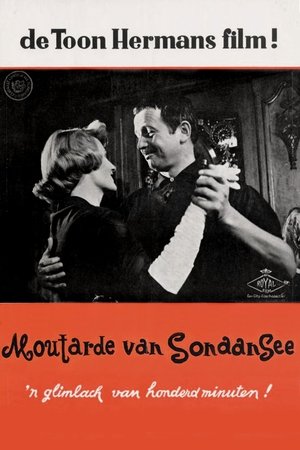


In his first and only venture into filmmaking, Dutch comedy icon Toon Hermans tells the story of Jeep Moutarde. Mr Moutarde's house is threatened by the owners of the Knik Knak sausage factory who want to tear it down and build a sausage factory in its place. Fortunately, the other villagers — including a French wine seller, the village priest and Moutarde’s new love Helen, an English biologist — want to help him.
Writing great villains is about striking a balance between charming and evil, so we love them but also love to see them lose.
Taylor Swift dazzles many fans with remixes of her country and pop singles in her Reputation Stadium concert tour, becoming a successful concert film.
The Noel Diary is about a man who unlocks an old diary containing secrets of the past.
Films and TV series often tend to misrepresent or not acknowledge bisexual characters, but recent trends show that bi-erasure is now under deserved scrutiny. So, I’m genuinely happy about the direction bi-representation seems to be taking.
'Don't Breathe 2' is a sequel that forgoes almost everything that made its predecessor good, and asks audiences to root for a rapist on top of that.
Most movies give you their point upfront, while others make you think it’s about a specific topic, then reveal that the story is about something else. Pink Lady belongs somewhere in the middle of those two categories.