








'The Suicide Squad' Is Gory, Gratuitous, but Great
'The Suicide Squad' is at its best when it focuses on its characters and commentary on real-life issues, but stumbles when it relies too heavily on gratuitous gore and insensitive humor.
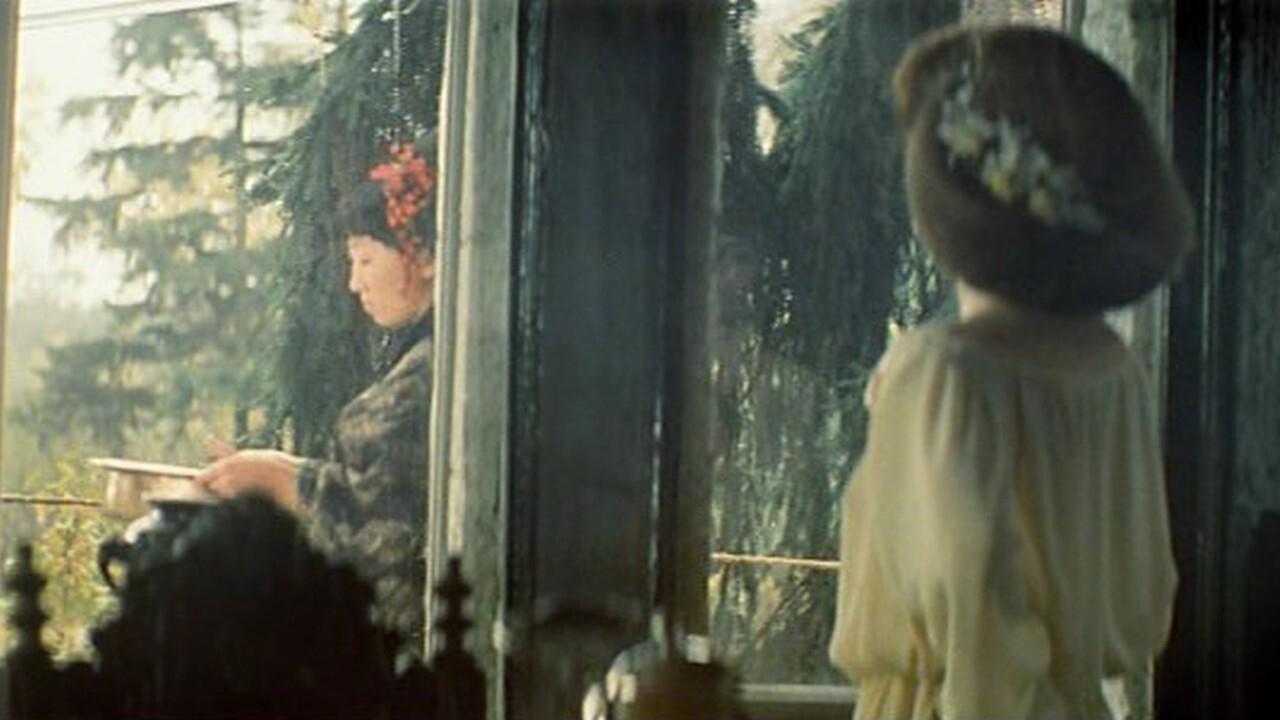
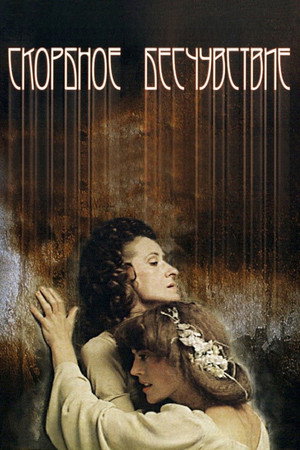


The action in this lavishly produced film takes place at an oddly ark-shaped mansion during World War I, and in spirit (although not in story) it reflects the play which inspired it, the ferociously antiwar Heartbreak House by George Bernard Shaw. A large group of family and friends have gathered at this country house to dance, drink, and converse. Their conversation, in particular, is adorned with erudite literary references and quotations. Despite their apparent refinement, their preoccupations are simple: sex and violence. Disquieting images break the tranquility of the vacationers' inappropriate idyll: some of these include documentary footage of starving African children, images (both real and re-enacted) of George Bernard Shaw going about his daily life, and a corpse coming to life on an autopsy table, only to cheapen that miracle by scolding a group of women. The music used in the film ironically points to its disturbing message and is uniformly anachronistic.
'The Suicide Squad' is at its best when it focuses on its characters and commentary on real-life issues, but stumbles when it relies too heavily on gratuitous gore and insensitive humor.
"Spider-Man: No Way Home" isn’t just a movie; it’s an experience. It's one of the best superhero movies thanks to the amazing writing, the fantastic performances from the actors, and a healthy helping of fan service.
‘Oppenheimer’ is a force to be reckoned with. A biopic that respects the audience’s intelligence.
Having Sersi be the central force in Eternals is unprecedented in its viewpoint and focus, from demonstrating a gentle type of leadership, to being overlooked in a group setting but succeeding in the goal at hand anyways, to having romantic options, to strength and integrity, and majority screen time - for a group that's given less screentime than aliens.
Four more classic horror films that are entertaining even if occasionally absurd.
Even now, the well-established Snyder has yet to learn this as he continues to allow misguided decisions to convince him that his projects hold the same kind of intelligent and emotional weight. Army of the Dead is a tonal mess, one that never decides what it’s trying to be, and, for all we know, doesn’t want to decide.