Escaping Doppelgangers: "Coraline" Serves Up Adventure in a Parallel World
This delightfully odd horror movie presents a whimsically strange alternate reality to younger audiences.
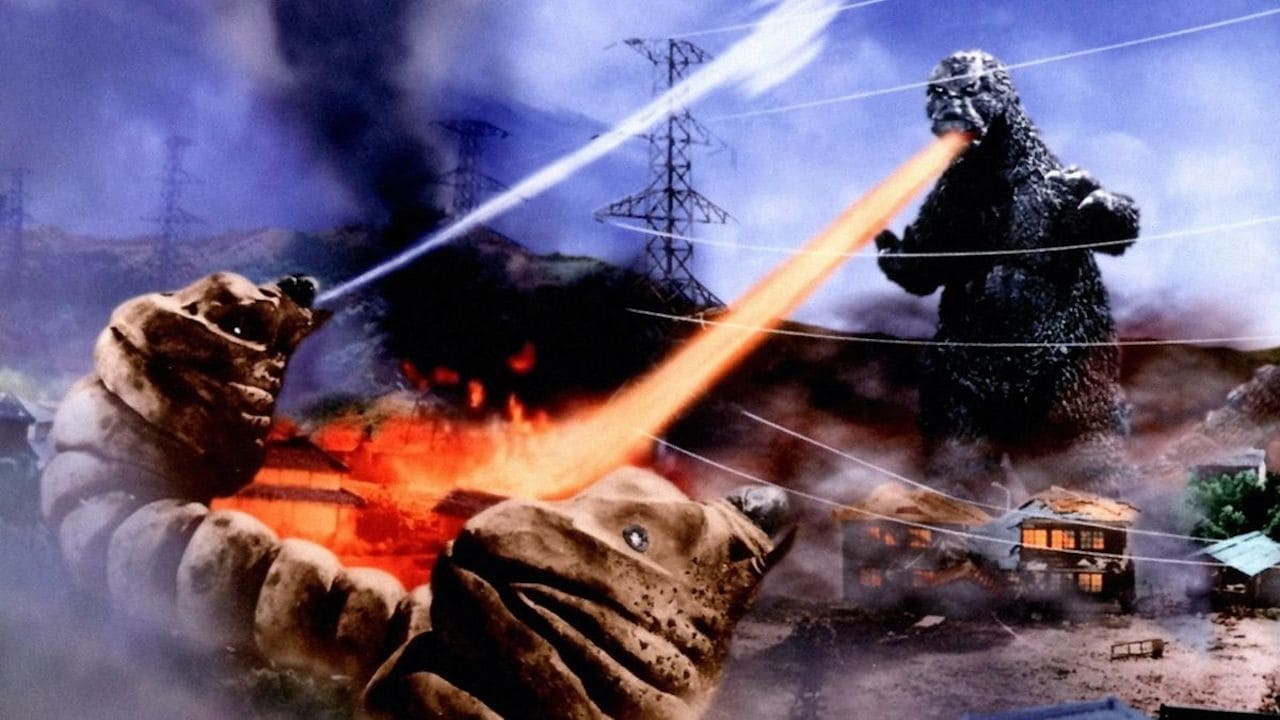
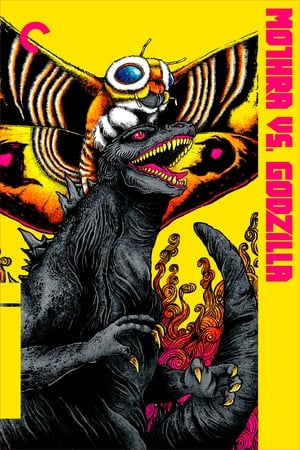


Journalists Ichiro Sakai and Junko cover the wreckage of a typhoon when an enormous egg is found and claimed by greedy entrepreneurs. Mothra's fairies arrive and are aided by the journalists in a plea for its return. As their requests are denied, Godzilla arises near Nagoya and the people of Infant Island must decide if they are willing to answer Japan's own pleas for help.

Ishirō Honda
Director


Akira Takarada
Ichiro "Ichi" Sakai

Yuriko Hoshi
Junko Nakanishi

Hiroshi Koizumi
Professor Shunsuke Miura

Yū Fujiki
Jiro Nakamura
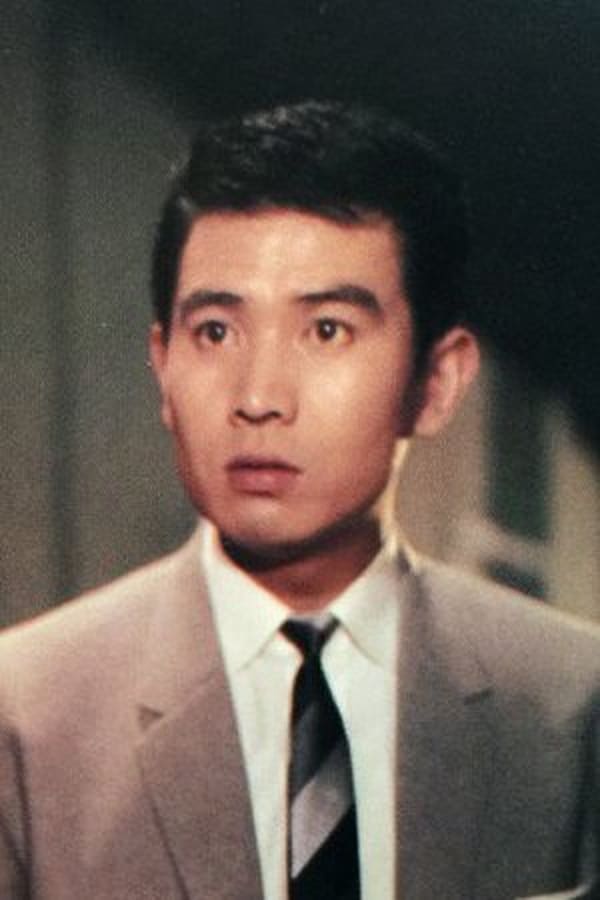
Kenji Sahara
Jiro Torahata

Emi Ito
Shobijin (Twin Fairy)

Yumi Ito
Shobijin (Twin Fairy)
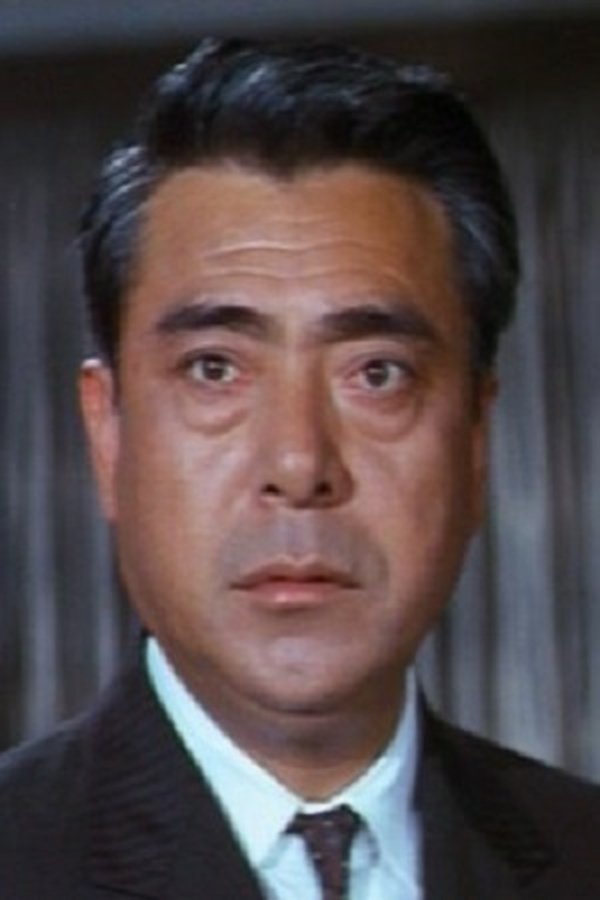
Jun Tazaki
Editor Maruta
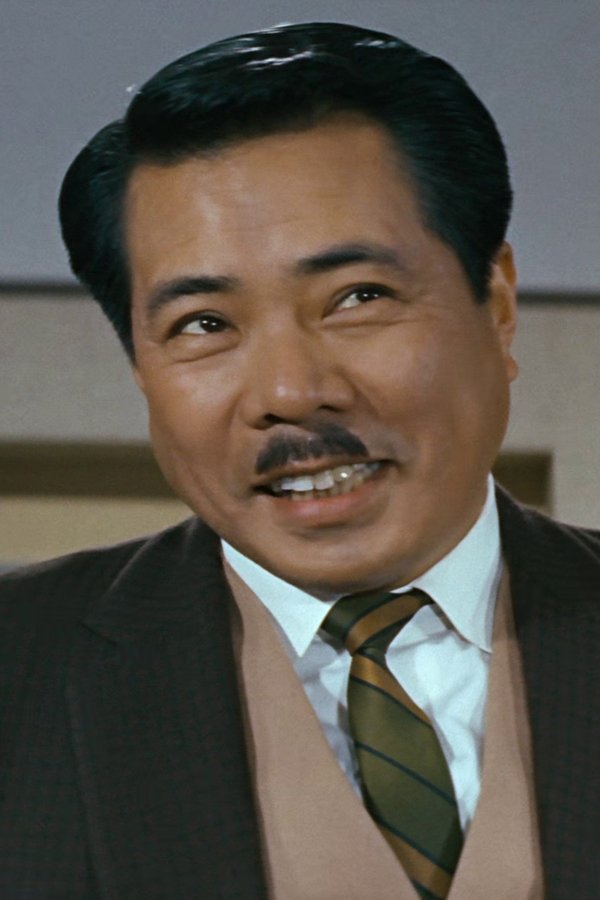
Yoshibumi Tajima
Kumayama

Kenzō Tabu
Prefectural Assembly Member

Yutaka Sada
School Principal
This delightfully odd horror movie presents a whimsically strange alternate reality to younger audiences.
A young woman finds herself trapped in a crossfire of awkwardness during a nightmarish dinner party with her boyfriend's dysfunctional family.
It is as bad as your remember, and you are fortunate if you've never watched it. Keep it that way!
“And I think to myself….what a wonderful world”. Louis Armstrong sang about this notion via his classic 1967 song, an ode to witnessing elements of our life that should be but some reminders of exactly what that concluding line of each verse indicates. Now we see our contemporary realities and, just being honest, it makes a sentiment like this seem SO overtly far away….perhaps even impossible….to accept or believe could be. It sounds harsh, but again, so much of what is occurring speaks not to beauty, but bedlam.
Coralie Fargeat once said that “Being a woman is body horror,” and when you think about the ways we are taught to experience our own bodies, it becomes almost impossible to argue with her.
Only time will tell what this new Black Panther and movie will show us with all of the old and new elements of the superhero craft integrated.