








Once Upon a Time in (White) Hollywood
Tarantino's alternative history of the 1960's uncritically repeats the era's sexist and racist stereotypes.
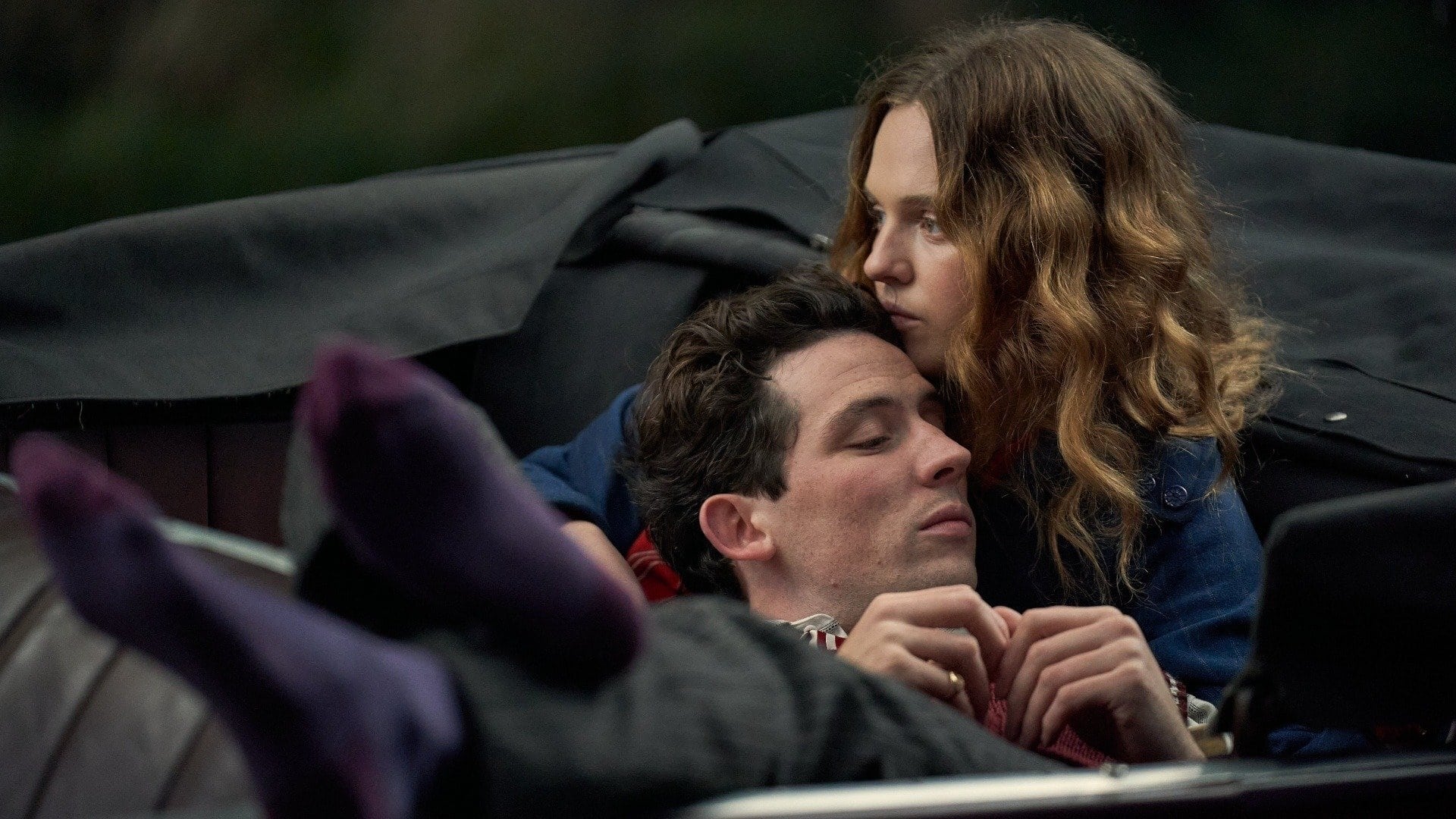



On a warm spring day in 1924, house maid and foundling Jane Fairchild finds herself alone on Mother's Day. Her employers, Mr. and Mrs. Niven, are out and she has the rare chance to spend quality time with her secret lover. Paul is the boy from the manor house nearby, Jane's long-term love despite the fact that he's engaged to be married to another woman, a childhood friend and daughter of his parents' friends. But events that neither can foresee will change the course of Jane's life forever.
Tarantino's alternative history of the 1960's uncritically repeats the era's sexist and racist stereotypes.
The second film takes us on Peter's journey to be understood.
In The Novelist's Film, Hong explores the meaningful things people share and inspire by virtue of simply engaging with one another.
I Love You Forever, marketed as a “subversive” romantic comedy is in fact a painful horror film about a young woman deep in the throes of an abusive relationship.
2026 ranks highest in Oscars history for its representation of minorities in all categories, and that’s definitely something to be celebrated.
'Don't Make Me Go' is what you would expect, Wally and her father, Max, clash tremendously and don't understand each other. Although, it's very heartwarming.