


Is It Still Possible to Achieve a Happyend Nowadays?
Neo Sora left a realistic and yet hopeful notion for the near future and the now.
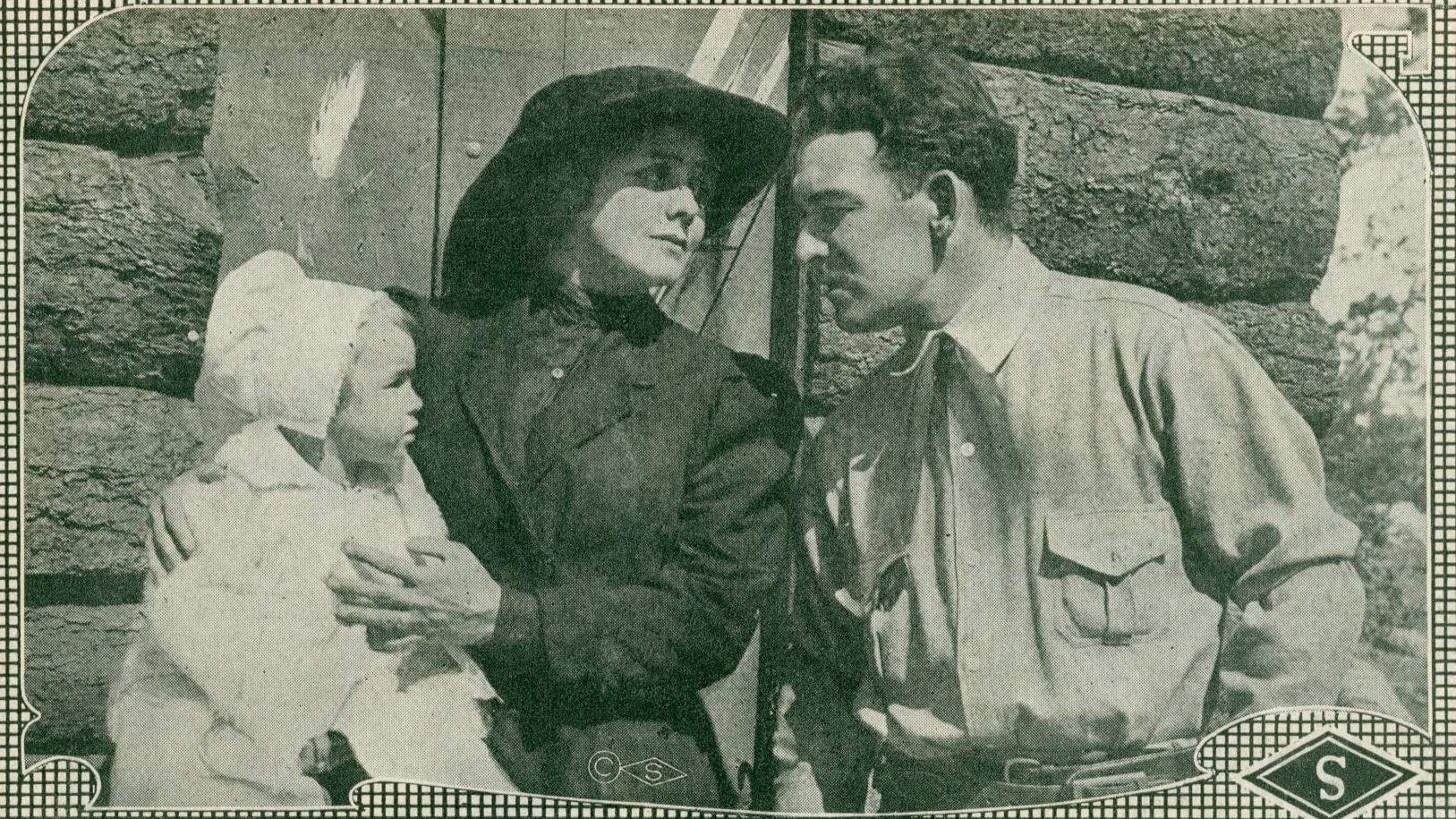
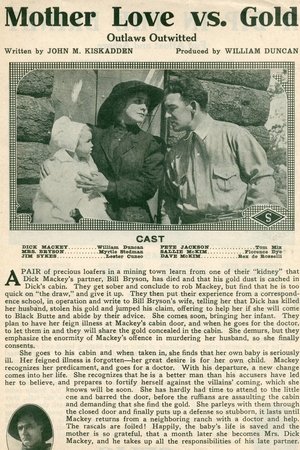


A pair of precious loafers in a mining town learn from one of their "kidney" that Dick Mackey's partner, Bill Bryson, has died and that his gold dust is cached in Dick's cabin. They get sober and conclude to rob Mackey, but find that he is too quick on "the draw," and give it up.
Neo Sora left a realistic and yet hopeful notion for the near future and the now.
Some moments of the series are intense and ends on a cliff-hanger that will have you yearning for a second season.
Behind all the action, 'Space Sweepers' is a surprisingly heartfelt and progressive story about building community.
The social issues The Half of it takes on are handled well, between the antagonization brought on to Ellie for her race and the conflict that arises from her being gay. Both aspects of her character are built up over the course of the film and don’t seem abrupt or rushed. The film shows racism towards Ellie and her and father in varying levels, from having her schoolmates specifically address her as "Chinese girl” to the fore mentioned way her Dad is treated due to language barriers. The same can be said about Ellie being a lesbian. While she never truly “comes out” in the narrative, that does not undermine her journey of self-discovery from being meaningful. These ideas aren’t thrust upon the viewer in a preachy manor, the scenarios that occur feel believable given the rural setting. The film presents watchers with problems whom those like Ellie may face, and leaves us to sit with them and reflect.
Two Summers ago, on May 27th, 2022, the theatrical cinematic realms were re-awakened from their post-COVID dormant state of being by a little film titled "Top Gun: Maverick". It re-introduced us to the absolute elation of seeing not only a highly anticipated (and, granted, 36 years in the making!) sequel, but the return of the quintessential Summer blockbuster to witness on the BIG screen again.