Writing Great Villains: Why They Shouldn't Be Sympathetic
Writing great villains is about striking a balance between charming and evil, so we love them but also love to see them lose.





Thomas Nennstiel
Director

Lavinia Wilson
Julia Bachleitner
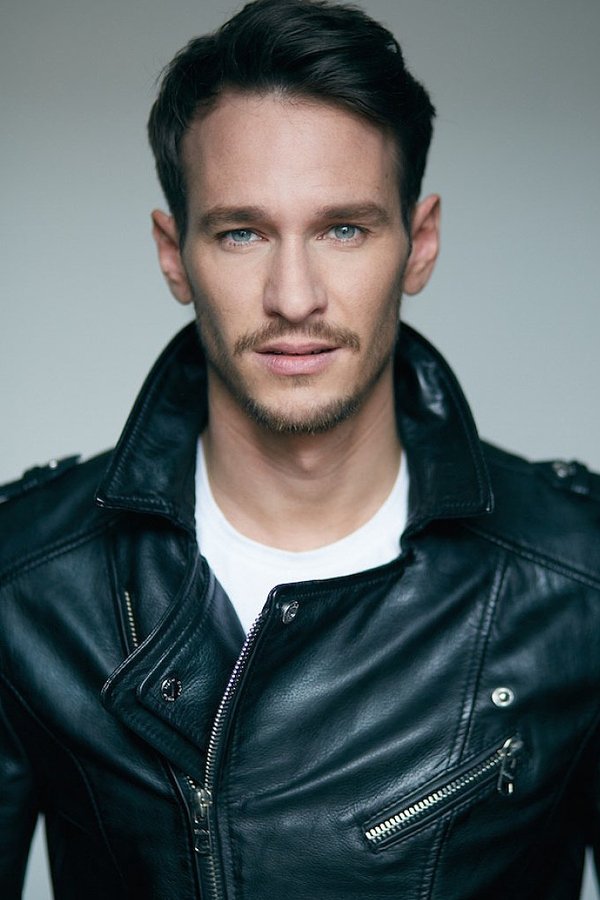
Vladimir Burlakov
Thomas Stark
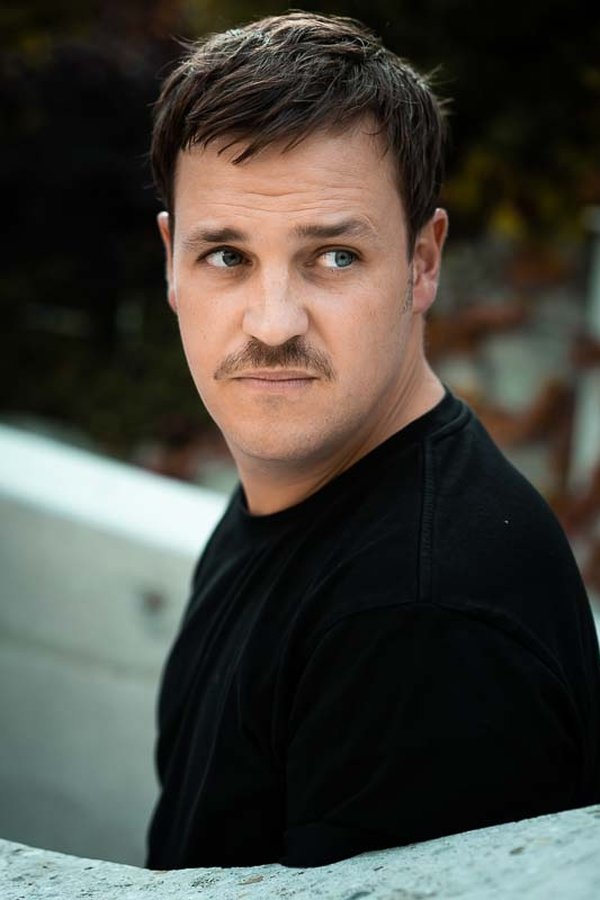
Frederic Linkemann
Rainer Kessler

Johannes Zirner
Magnus Bachleitner
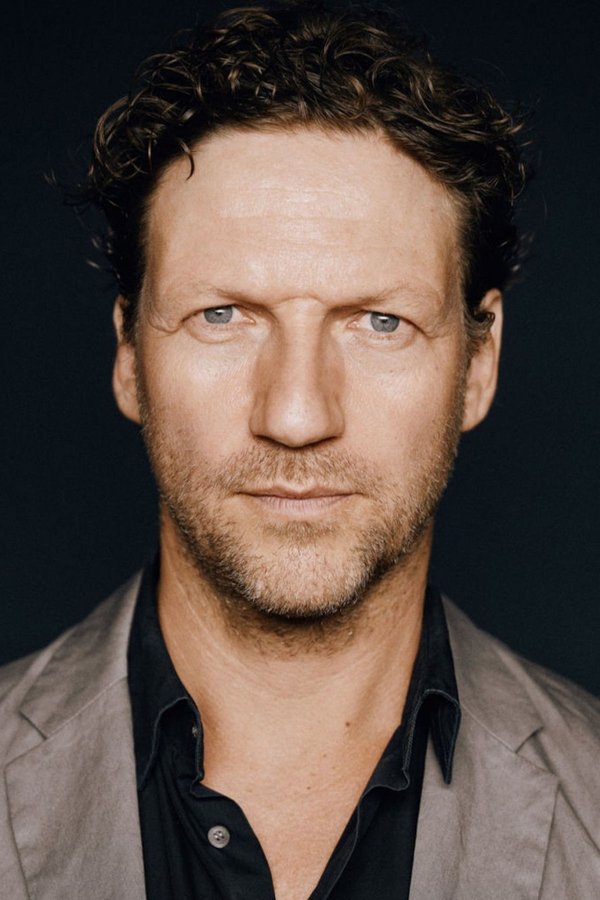
Thomas Unger
Peter Breitkreuz
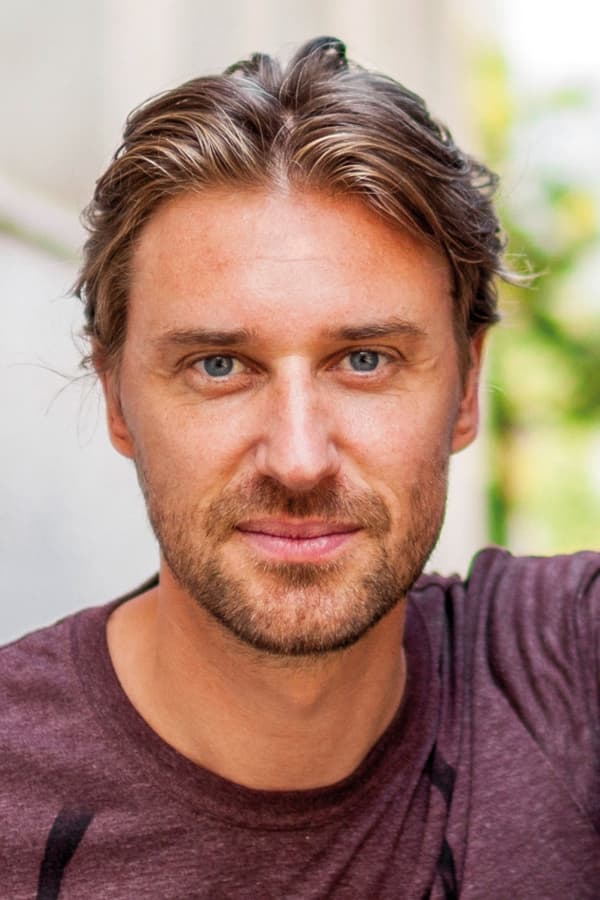
Peter Schorn
Francesco Danesi

Hannes Jaenicke
Polizeidirektor Mehring

Oliver Stokowski
Karl Bichler
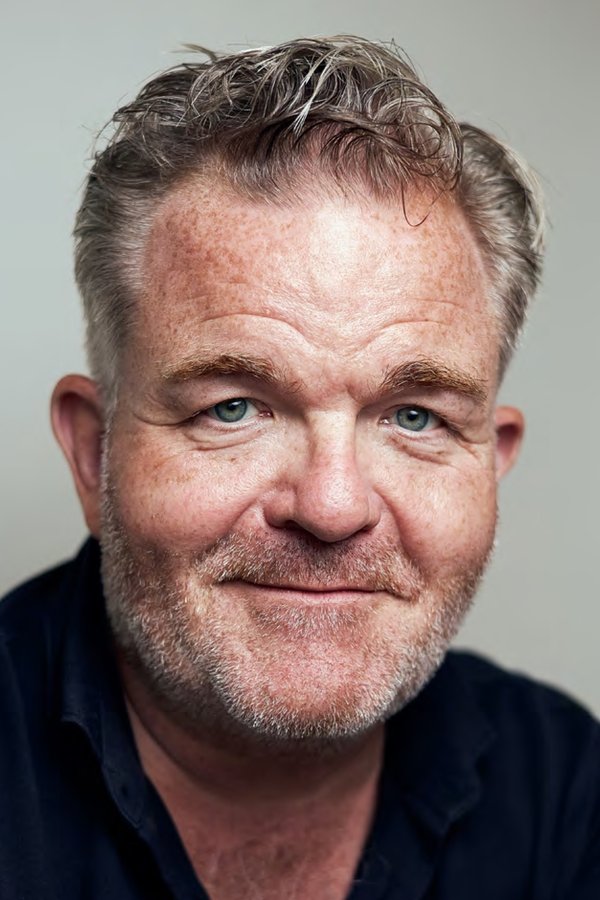
Cornelius Obonya
Dieter Kronach
Maria Helgath
Evelyn Stark
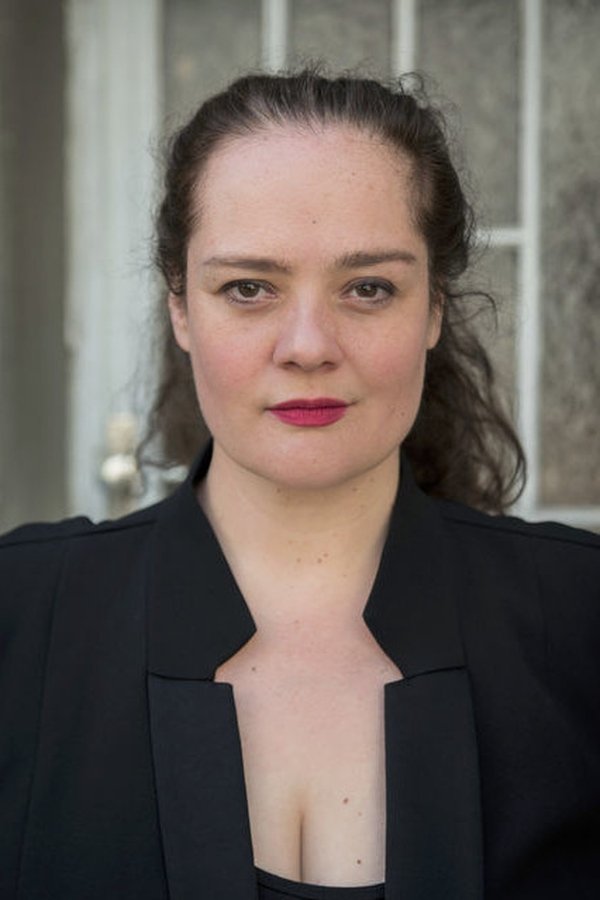
Katrin Filzen
Dr. Katja Schröder
Writing great villains is about striking a balance between charming and evil, so we love them but also love to see them lose.
The film seems like an extreme interpretation of the conspiracy theorists that exist in real life. And then, there’s the twist.
My review’s title is a nod to Shakespeare and is entirely deliberate. The original movie portrayed the high-end fashion world as a brutal arena of plotting, backstabbing, and betrayal, and most Shakespeare’s plays depend on these plot devices. The Devil Wears Prada 2 uses the same formula, and is, plot-wise, almost identical. Once again, we plunge into the cutthroat world of Runway, where to get and stay at the top, you must let go of your principles and moral sense. The only thing different is that due to the digital era, Runway is not a print magazine anymore, but one that is running online.
Stranger Things season 4 ups the ante to the max! The show’s scope has been expanding for the past three seasons, and boy do they give us a spectacle to behold. As much as I love spectacle, this season occasionally buckles under the weight of its own ambition.
The Djinn is about childhood traumas and lifestyle changes. It tells the story of Dylan (Ezra Dewey), a mute boy who blames himself for his mom’s death. He also condemns himself for being speech-impaired, and he thinks that if he did not have that condition, everything could had been different.
While it is more than established that Halston’s life is far from a fairytale, the narrative suffers as a result of the decision to revolve more around sex and drugs than his artistry, it likely does a disservice to his cultural impact by pulling focus from his achievements.