

No One Mourns the Wicked?
Ultimately, Wicked is a story about the cost of being othered, the pain of being misnamed, and the quiet revolution of standing in your truth.
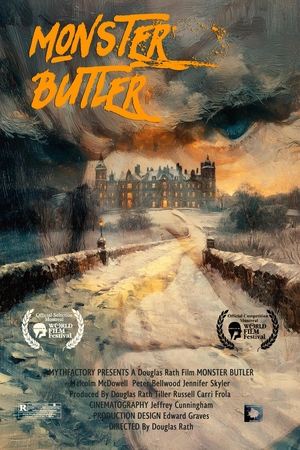


The film is based on the true story of the serial-killing con man Roy Fontaine who worked as a butler and robbed and murdered numerous employers throughout England and Scotland.
Ultimately, Wicked is a story about the cost of being othered, the pain of being misnamed, and the quiet revolution of standing in your truth.
Some people’s first introduction to Mira Nair might be as New York mayor Zohran Mamdani’s mom. But with her insightful direction of 1991’s Mississippi Masala, Nair shows how much she deserves to be known as an artist. Delivering a nuanced portrait of a romance between a Black man and an Indian woman living in the South, Nair explores the complications each character faces, giving both equal weight.
An episode of "The Sopranos" articulates an identity crisis unique to the Italian-Americans and demonstrates how Indigenous communities are pushed aside in the ensuing debate.
Sorry to Bother You ultimately speaks to the unfair advantages that the country’s power structures award to those with the resources to control others, as Lift’s easy access to the media allows his opinion to be the only one that matters in the eyes of the unsuspecting and easily impressed public. Moreover, it reveals the extent to which the American Dream has any true validity. It postulates how the promise of success and fulfillment as promoted by the American Dream more often than not leads to the undoing of the individual. Interestingly, in its revealing of the American Dream as merely a facade, Sorry to Bother You wisely questions whether or not anything can really be done to undo a system that has been accepted and in action for centuries.
The Invitation takes a creeping look at two simple premises: reuniting with forgotten friends and new-age spiritualism. Though one seems a bit scarier than the other, the film heightens social awkwardness to a macabre level that puts an uncomfortable look on when the social taboo of grief is put on public display.