"The Woman in Cabin 10" (2025) Should Have Stayed Faithful to the Book
I’m disappointed in The Woman in Cabin 10, but that’s at least in part because of my love of Ruth Ware’s novel.




In the fourth installment, Musashi's potentially greatest opponent Kojiro jumps in and out of the story at the oddest and most coincidental moments. As his great love Otsu has succumbed to madness. Musashi then sets off to beat the functionaries of a treacherous clan in an arranged duel. 73 against one. Boastful Kojiro watches, secure in the knowledge that only he is a worthy opponent.
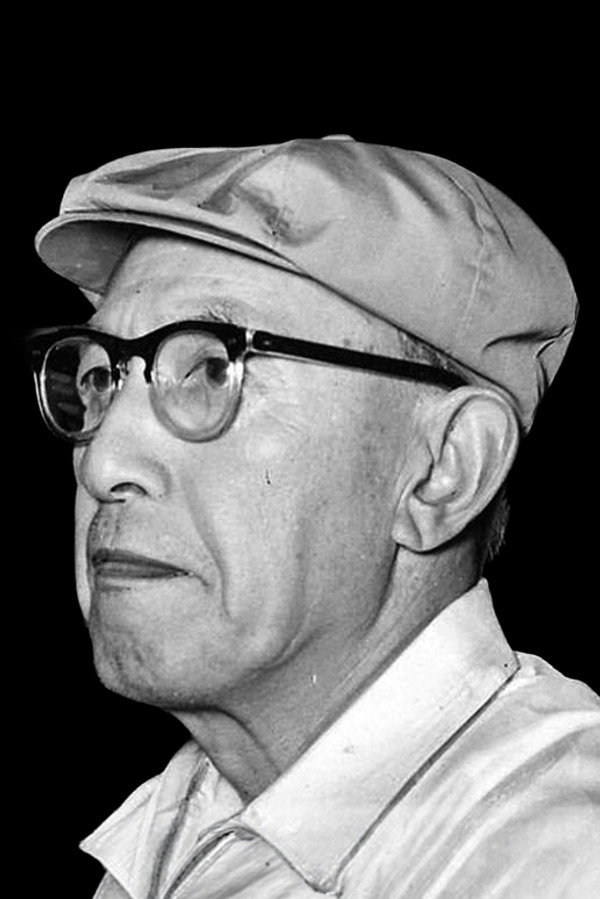
Tomu Uchida
Director


Kinnosuke Nakamura
Miyamoto Musashi / Takezo

Wakaba Irie
Otsu

Isao Kimura
Hon'iden Matahachi

Chieko Naniwa
Osugi
Mitsuru Takeuchi
Jotaro
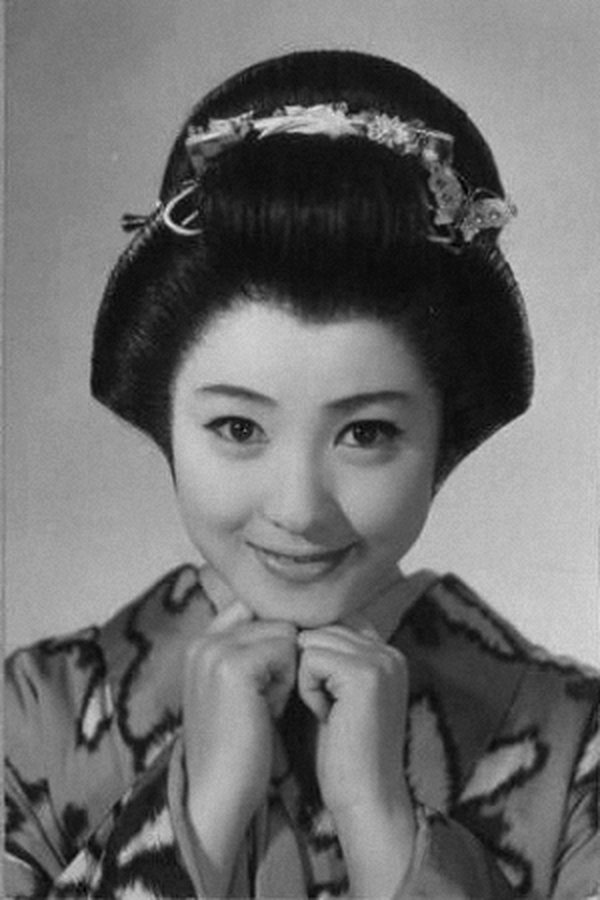
Satomi Oka
Akemi

Shinjirō Ehara
Seijuro Yoshioka

Mikijiro Hira
Yoshioka Denshichiro

Ken Takakura
Sasaki Kojiro

Chōichirō Kawarasaki
Kichijiro Hayashi

Kei Tani
Akakabe Yasoba
I’m disappointed in The Woman in Cabin 10, but that’s at least in part because of my love of Ruth Ware’s novel.
Disney has kept its word and allowed a new generation of Black and/or African storytellers to tell their own original stories. The question remains, will the public keep their word?
For the entirety of Raiders of the Lost Ark, Marion remains in full control of both her body and her personality, a rarity for female characters at the time of the film’s release. She’s granted depth with personal demons from her past and emotional vulnerability when the situation deems it appropriate for her to grow alongside Indy. She avidly rejects the notion of being anything other than a sassy, humane rebel, and Indy’s equal in every way. This she does while still maintaining her femininity.
The Olivia Wilde renaissance is upon us.
As Sexual Assault Awareness Month comes to an end, I’d like to urge viewers and filmmakers to take a long and hard look at how rape is portrayed on screen.
There’s enough evidence to insinuate that What We Do in the Shadows is intentionally queer-coded.