"Elio" and What Could Have Been
Elio could be seen as fantastic piece of representation, showing lonely children who feel ostracized that they are not alone. That is, unless you look behind the curtain.
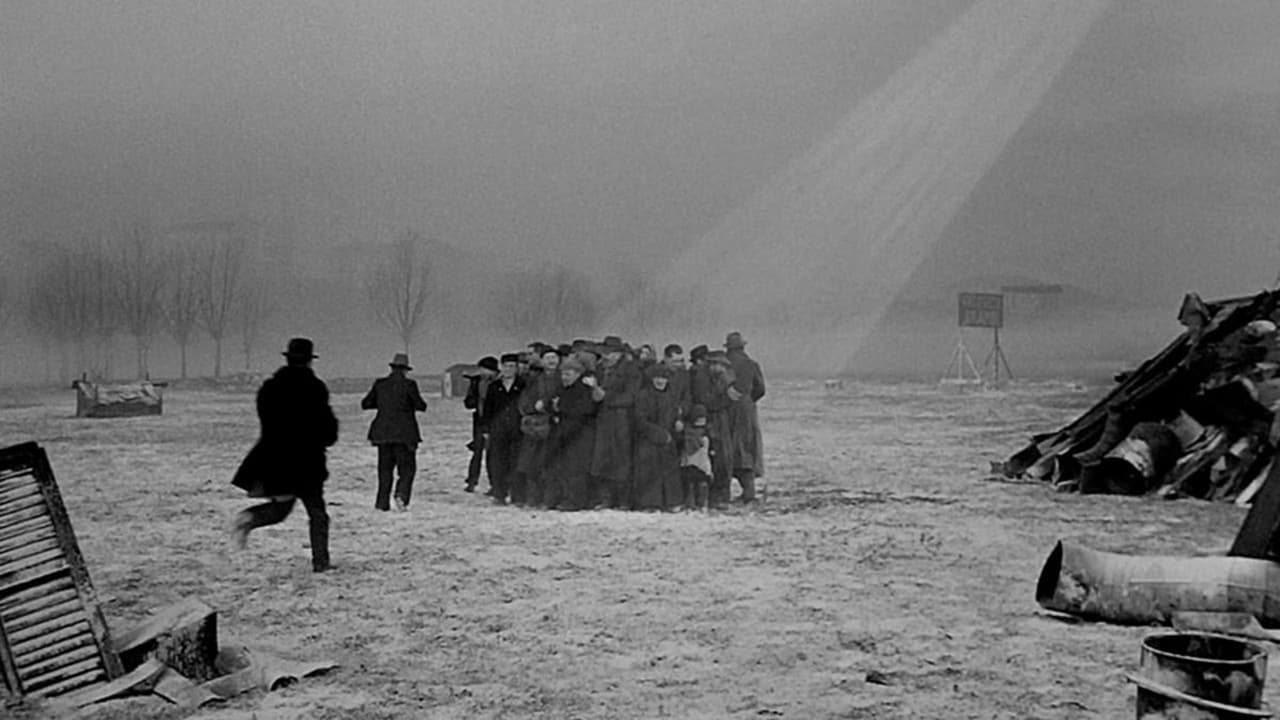



Once upon a time a wise and kind old woman discovers a baby in her cabbage patch. She brings up the child and, when she dies, the boy, Totò, enters an orphanage. Totò leaves the orphanage a happy young man, and looks for work in post-war Milan. He ends up with the homeless and organizes them to build a shanty town in a vacant lot. But when greedy developers threaten the community’s land, Totò will need all the help he can get in order to find an impossible way out.

Vittorio De Sica
Director


Emma Gramatica
La vecchia Lolotta
Francesco Golisano
Totò

Paolo Stoppa
Rappi

Guglielmo Barnabò
Mobbi

Brunella Bovo
Edvige
Anna Carena
Marta, la signora altezzosa

Alba Arnova
La statua che prende vita
Flora Cambi
L'innamorata infelice

Virgilio Riento
Il sergente delle guardie

Arturo Bragaglia
Alfredo
Erminio Spalla
Gaetano
Elio could be seen as fantastic piece of representation, showing lonely children who feel ostracized that they are not alone. That is, unless you look behind the curtain.
Steven Soderbergh’s Contagion is a fan-favorite, as are some of the more science fiction angled movies like 28 Days Later or World War Z. I recently watched the 1995 Wolfgang Peterson-directed movie, Outbreak for the first time, which is currently available on Netflix.
I’m disappointed in The Woman in Cabin 10, but that’s at least in part because of my love of Ruth Ware’s novel.
I have been a long-time fan of the Marvel Cinematic Universe ever since it made its official debut through 2008's absolutely excellent "Iron Man". The run continued, as did my associated fandom of the films, through the utterly EPIC 2019 finale "Avengers: Endgame".
The film is a documentary focusing on heavy metal in the late 80s and tackles topics like drug addiction, alcoholism, sex, masculinity, and of course, rock and roll. However, this didn’t feel like any documentary I’ve ever seen before.
In a film where a Black couple is framed to be the lead characters, they still managed to get shuffled off to the sidelines. The enthusiastic cast delivers well on goofy bits- but can only go so far before they begin to fall flat.