'How Power Looks' — MiamisFF Review
Praising Black representation and condemning the power structures that suppress it, a mother delivers an impassioned speech to her distant son.

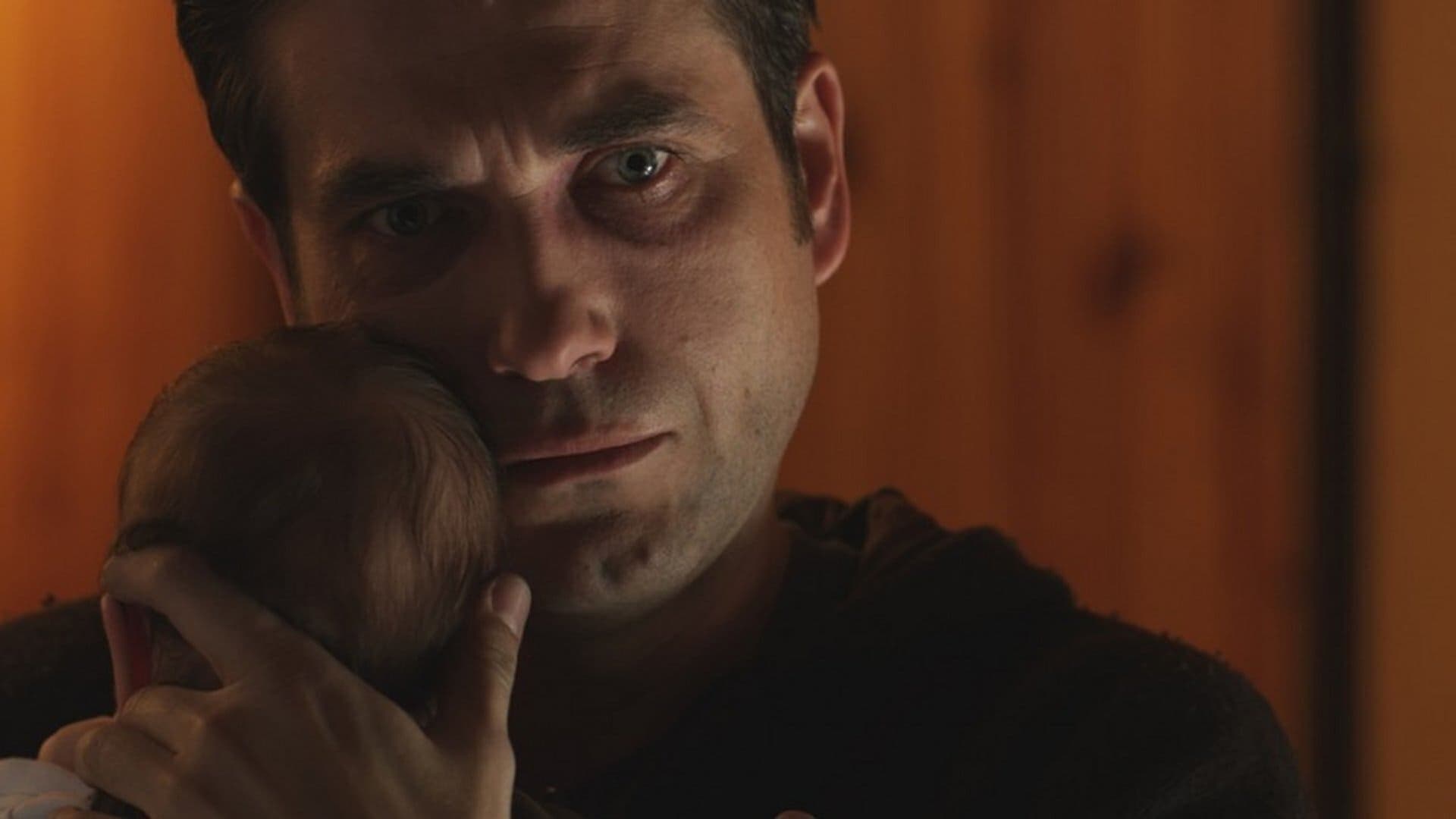
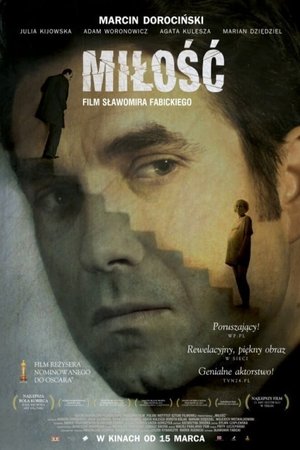
Maria and Tom are in their thirties and have been married ten years. They live in a small town. Both find professional fulfillment in their jobs he in a design company, she at the town hall. They are working together on the decoration of their apartment and are expecting a baby. It seems that nothing is capable of disturbing their peaceful lives. But one day the mayor, who has long lusted after Maria, rapes her. She decides not to report this to the police. Nor does she tell her husband. From that day forth, their love is put to the test.
Praising Black representation and condemning the power structures that suppress it, a mother delivers an impassioned speech to her distant son.
Leveraging the cockiness of many of his interview subjects, Theroux created an exposing documentary that shows just how scary these sections of the internet can be.
Throughout Brendan Fraser’s career, he has played a plethora of unique, layered characters who explore the importance of not being afraid to display your emotions, something that is often seen to not be a masculine trait. This idea of regulating emotion and what traits men are able to possess creates a toxic atmosphere for men who are often told they should not cry or represent their emotions in any physical way. These characters represent that men can be joyful, emotionally conscious, and sensitive, while also representing their masculine identity instead of painting those qualities as fighting against their masculinity.
Alfred Hitchcock’s 1960 film "Pyscho" is an American film classic that still resonates today.
Sisters Mia and Emma discover and hunt down a unicorn with magical blood and want to protect it.
The Night Doctor achieves telling an original story in which the pace accelerates progressively while supported by dark aesthetics.