Incluvie – Better diversity in movies.
Identity in film with Incluvie stamps, scores, reviews.

Incluvie – Better diversity in movies.
Explore identity in film with Incluvie stamps, scores, reviews, and insights.

trailer banner
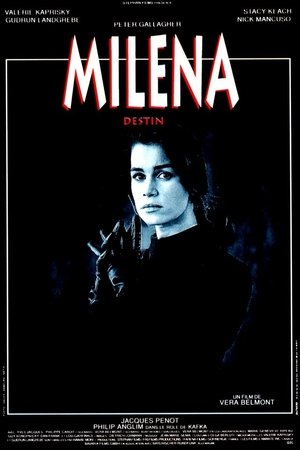
Milena poster

Milena 

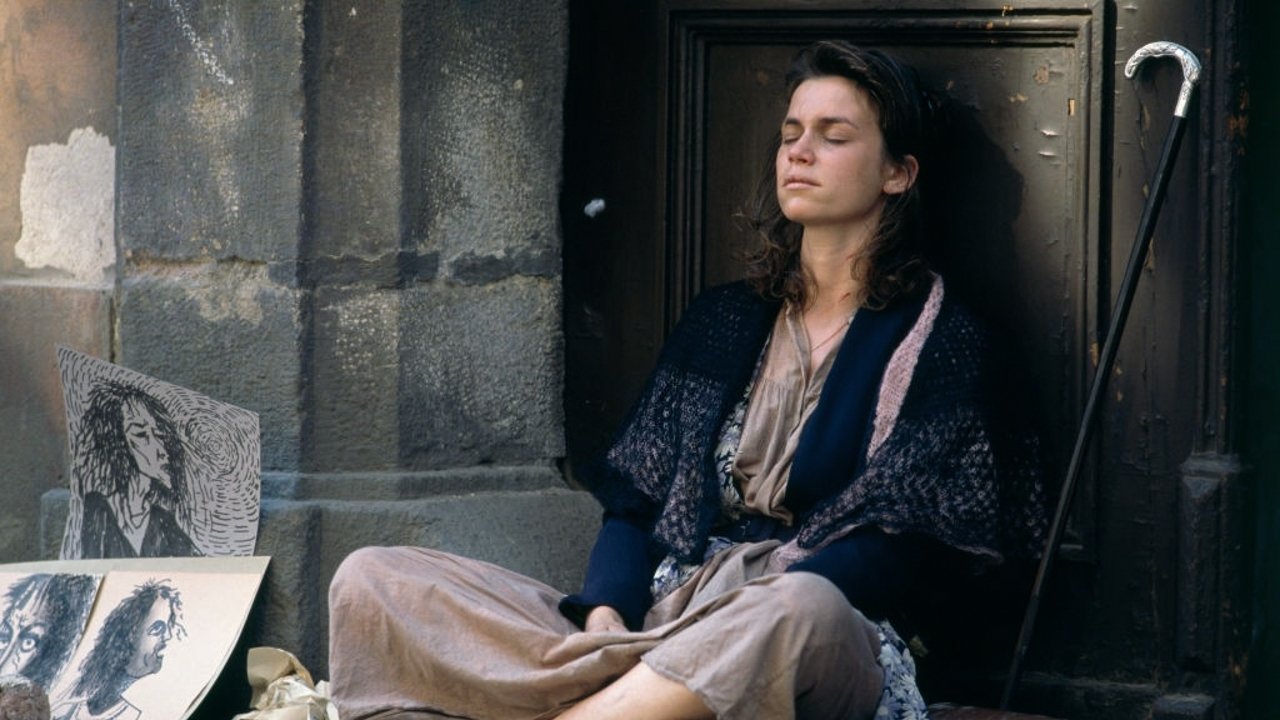
Prague, 1920. Milena's father wants her to follow in his footsteps and be one of the first female doctors in Czechoslovakia, but she is determined to be a writer. She elopes to Vienna with the Jewish music critic Ernst Pollak, and starts a correspondence with Franz Kafka. She leaves Pollak and returns to Prague with her father, where she befriends and translates Kafka. As a journalist, Milena covers the 1923 Ruhr worker's strike and meets the communist architect Jaromir.
- / 5
PopScore
Representation

Pictures and Videos


Incluvie Gala

Movie Information


Prague, 1920. Milena's father wants her to follow in his footsteps and be one of the first female doctors in Czechoslovakia, but she is determined to be a writer. She elopes to Vienna with the Jewish music critic Ernst Pollak, and starts a correspondence with Franz Kafka. She leaves Pollak and returns to Prague with her father, where she befriends and translates Kafka. As a journalist, Milena covers the 1923 Ruhr worker's strike and meets the communist architect Jaromir.

Rating:
Genre:Drama
Directed By:Véra Belmont
Written By:Louis Garfinkle, Marie-Geneviève Ripeau, Véra Belmont
In Theaters:
Box Office:

Runtime:139 minutes
Studio:Bavaria Film, France 3 Cinéma, Les Films de l'Amante, Shapiro-Glickenhaus Entertainment, Sofinergie Films, Stéphan Films, Farena Films

Articles You May Like


"The Father" is a Depressing But Insightful Look at Dementia

With The Father, writer-director Florian Zeller- who wrote and developed the play upon which the film is based- pulls no punches as he confidently makes every effort to put the audience in the mind of someone whose grip on reality has all but vanished. It’s a dazzling testament to Zeller’s abilities as a director as he makes his first transition from stage to film appear as if he’s been working behind a camera his entire career. The dialogue he fashions with co-writer Christopher Hampton, along with the work of production designers Peter Francis and Cathy Featherstone, collectively makes the downward spiral of dementia startlingly tangible, doing so in a way that can be comprehended by everyone except the person it directly affects.
Matt Geiger