

‘Kim’s Convenience’: A Canadian Export Better Than Maple Syrup
Korean culture shines in this Canadian export.
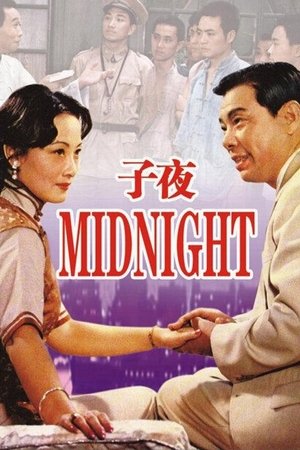


In 1930's Shanghai, Wu Sunpu, chief executive of the Shanghai Yuhua Silk Company, faces many struggles: with plant workers, with strikers, others in his industry, and most of all with bourgeois comprador Zhao Botao. Capitalists and other figures in Shanghai's industrial and commercial community come and go. The strategy finally comes down between Wu and Zhao. Zhao plans to take over Wu Sunpu's plant with support from Americans. Wu faces a choice of surrender to Zhao or bankruptcy. He considers suicide, but decides to go on vacation with his wife on Mount Lushan. When they leave Shanghai at midnight, Wu paces the deck of the ship, reviewing his life and fate.
Korean culture shines in this Canadian export.
Armed with a $400M budget and Tom Cruise’s death-defying stunts, Mission: Impossible – The Final Reckoning delivers pulse-pounding action even as its plot falters. From underwater silence to high-altitude madness, it's pure adrenaline powered by old-school movie magic — but is this really Ethan Hunt’s final mission?
Juneteenth is a day to commemorate the emancipation of enslaved people in the United States on June 19th, 1865. We did it! Everyone is free! Everyone is equal! End of story, right?
Upon first watch, Buddy feels like it should have been aired on Adult Swim at four in the morning.
Disclosure Day asks us to question humanity's role in the universe but falls victim to the same assumptions of centrality.